Qualifications
Sculptor, collagist, conceptual artist, installation artist, Performance artist and painter
Education
1986-1990 Institute of Architecture, Utrecht
1984-1989 Cum laude- and graduated with Honors by The Academy of Art St. Joost, National Commissioner Belgium curator Jan Hoet, Den Bosch, NL
1983-1984 Free Academy, The Hague
Prizes/Stipendia
2024 Selected for Artist Basic Subsidy 2023-2028, Mondrian Fund, Amsterdam, NL
2021 Nominated and selected to represent the art of South Holland in ‘Counterpart’, Curated by journalist/Publicist & Art Critic drs. Aart van der Kuijl, group show with 7 artists, Art Centre Provincial house Noord-Holland, Haarlem, NL
1992 Nominated by Curator Jan Hoet for ‘The Documenta IX’, Kassel, DE
1990 Selected for Subsidy, Start stipend for artist, Mondrian Fund, Amsterdam, NL
1989 Winner of ‘The Lucas Award’, price destined for the most promising graduate student of the Royal Academy of Art St. Joost, Den Bosch, NL
1989 Winner of ‘The Jan Hoet Award’, launched and judged by curator Jan Hoet, Den Bosch, NL
Exhibitions (selection)
2025–2026 Standing on the Shoulders of Giants II, in collaboration with the Victoria and Albert Museum (V&A), Saatchi Gallery, London, UK
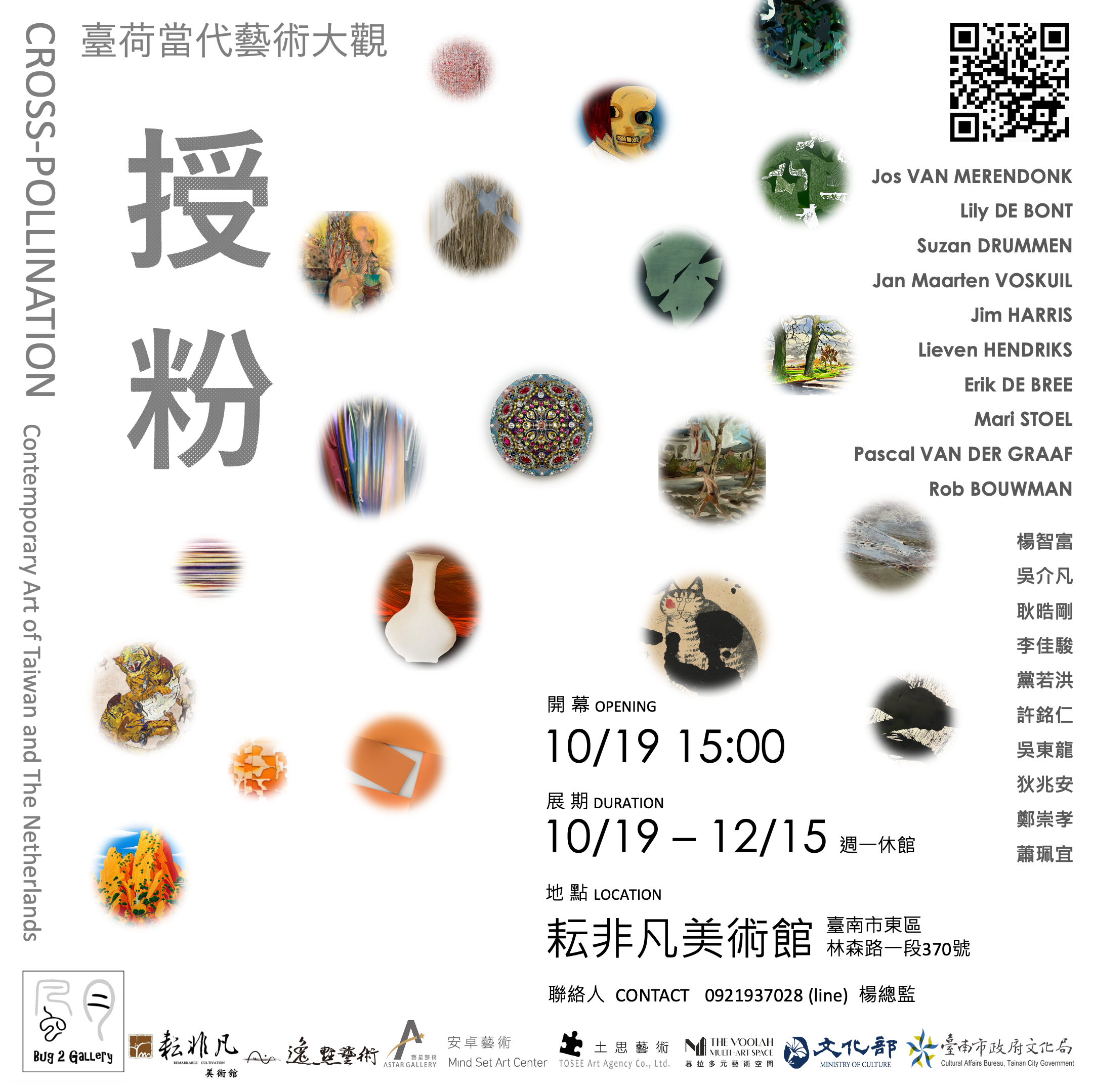
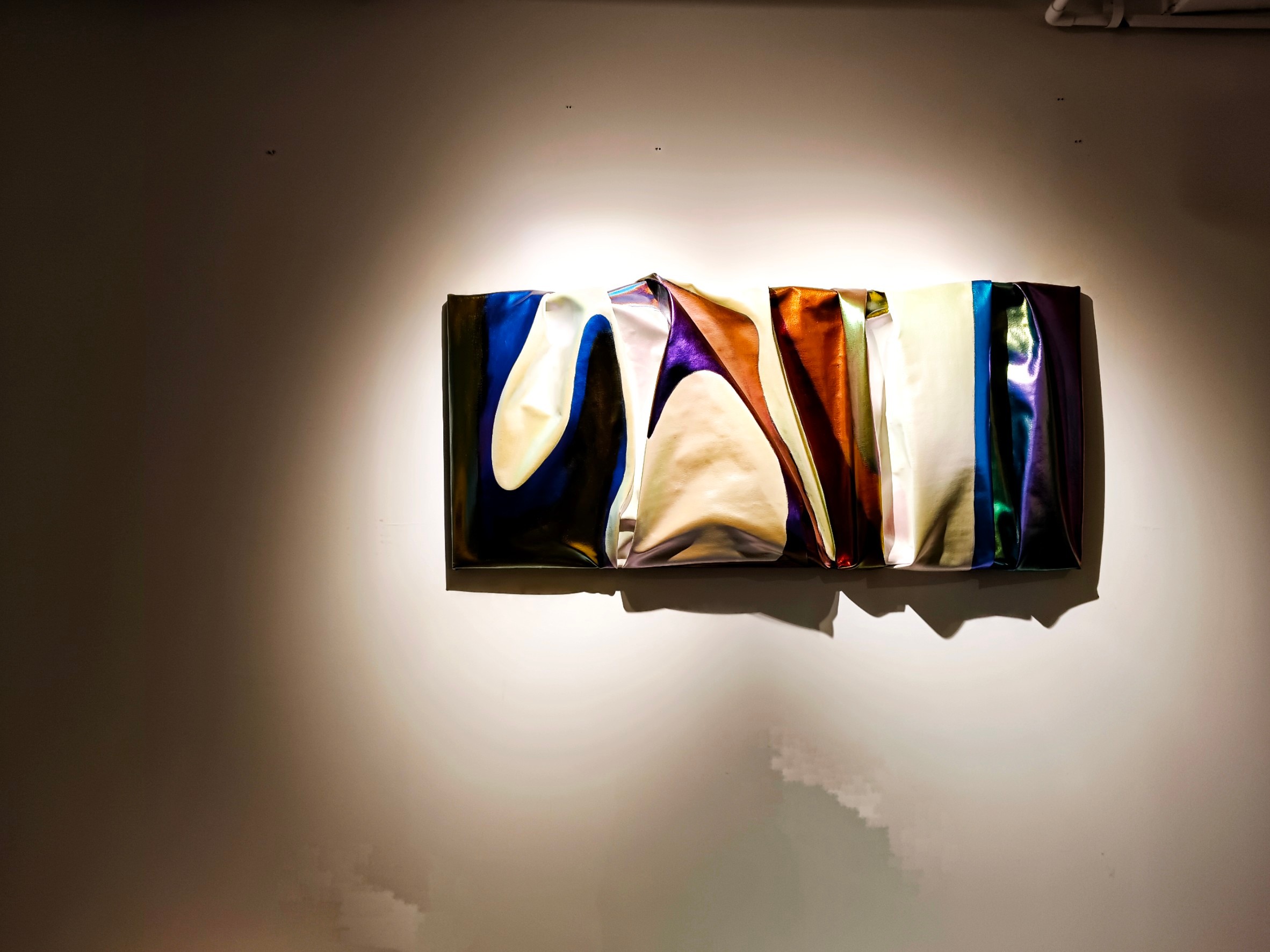
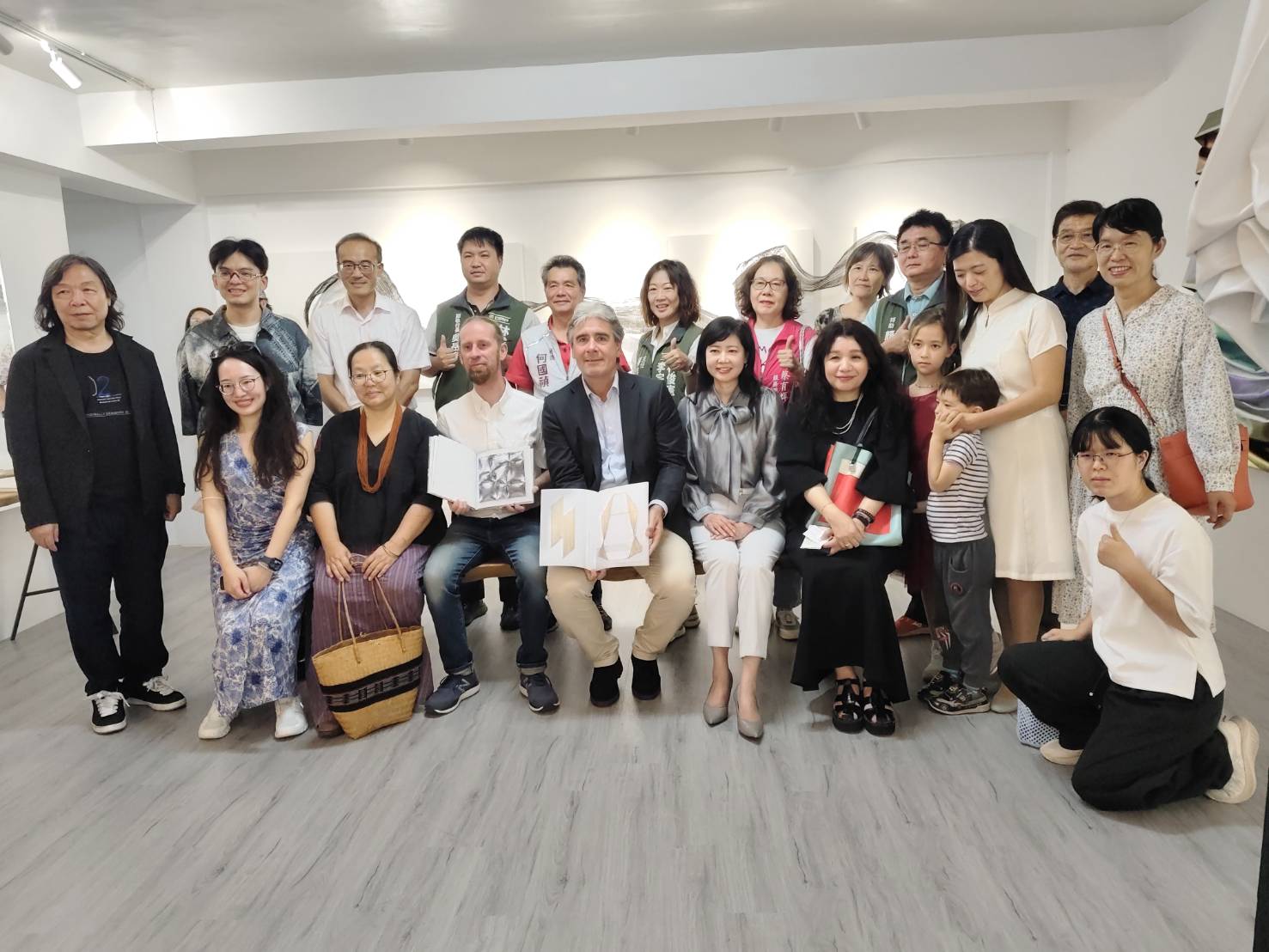
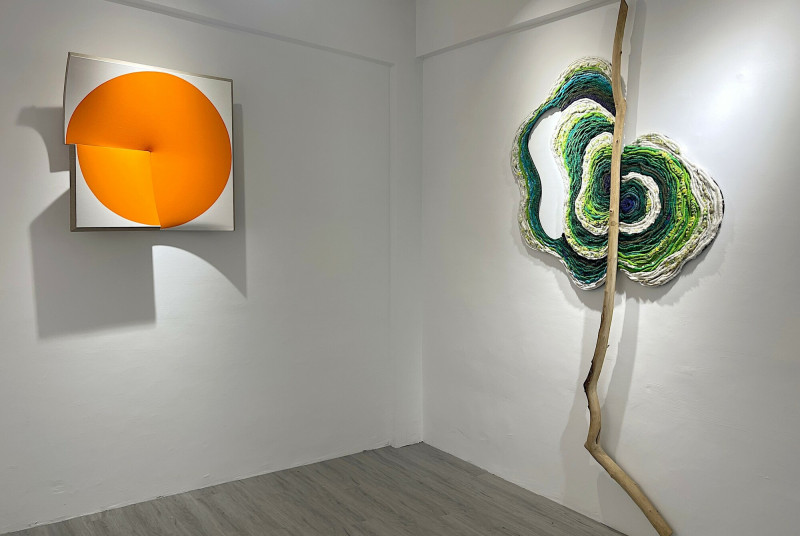
2024 ‘Behind and underneath’ , solo show, Bug2 Gallery, Tainan, Taiwan
2024 ‘Kinetic art show’, Group show with a.o. Julius Stahl, Jan van Munster, Galerie NL=US art, Rotterdam, NL
2024 ‘Cirkel in cirkel’, group show, EST ART Foundation Leiden, NL
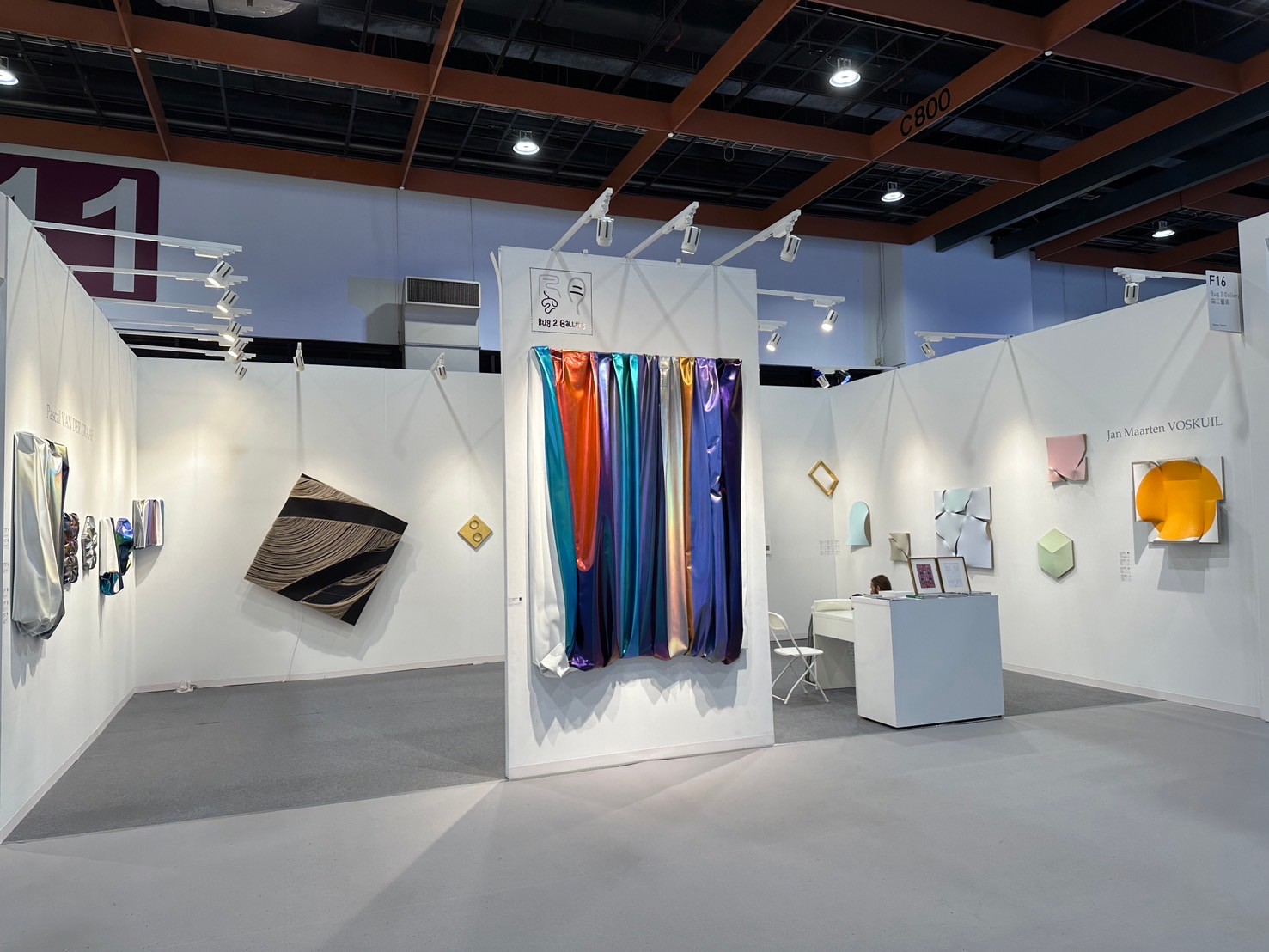
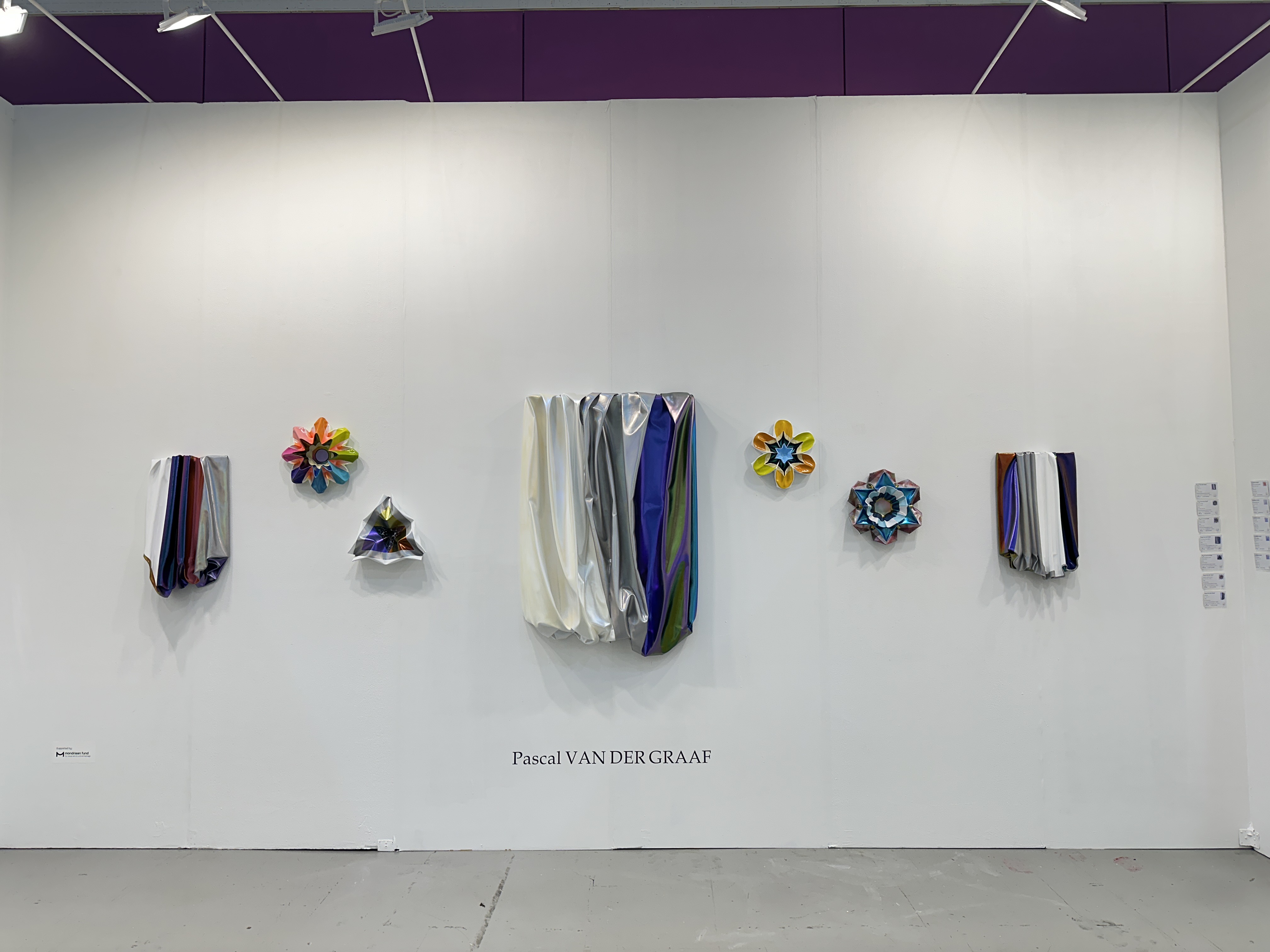
2024 Art Taipei, Bug2 Gallery, Tainan, Taiwan
2024 Art fair Volta Basel, Gallery NL=US art, Rotterdam, NL, USA (CH)
2024 ‘Back to Berlin 10 years’, Livingstone projects Berlin, group show, Livingstone Gallery, Den Haag, NL
2024 ‘Beyond the Surface, Construction Destruction’, group show, Gallery Geranmayeh, New York, USA
2024 ‘Constructing Destruction', group show, Westbeth Gallery, group show with a.o. Daniel G. Hill, Mary Schiliro, NY, USA
2023 Art fair, Art Taipei, BUG2 Gallery, Tainan, Taiwan
2023 ‘Re-Encounter’, Nederland meets Formosa, group show with a.o. Mari Stoel, Jardin Gallery, Tapei, curated by Emerson Wang, Taiwan
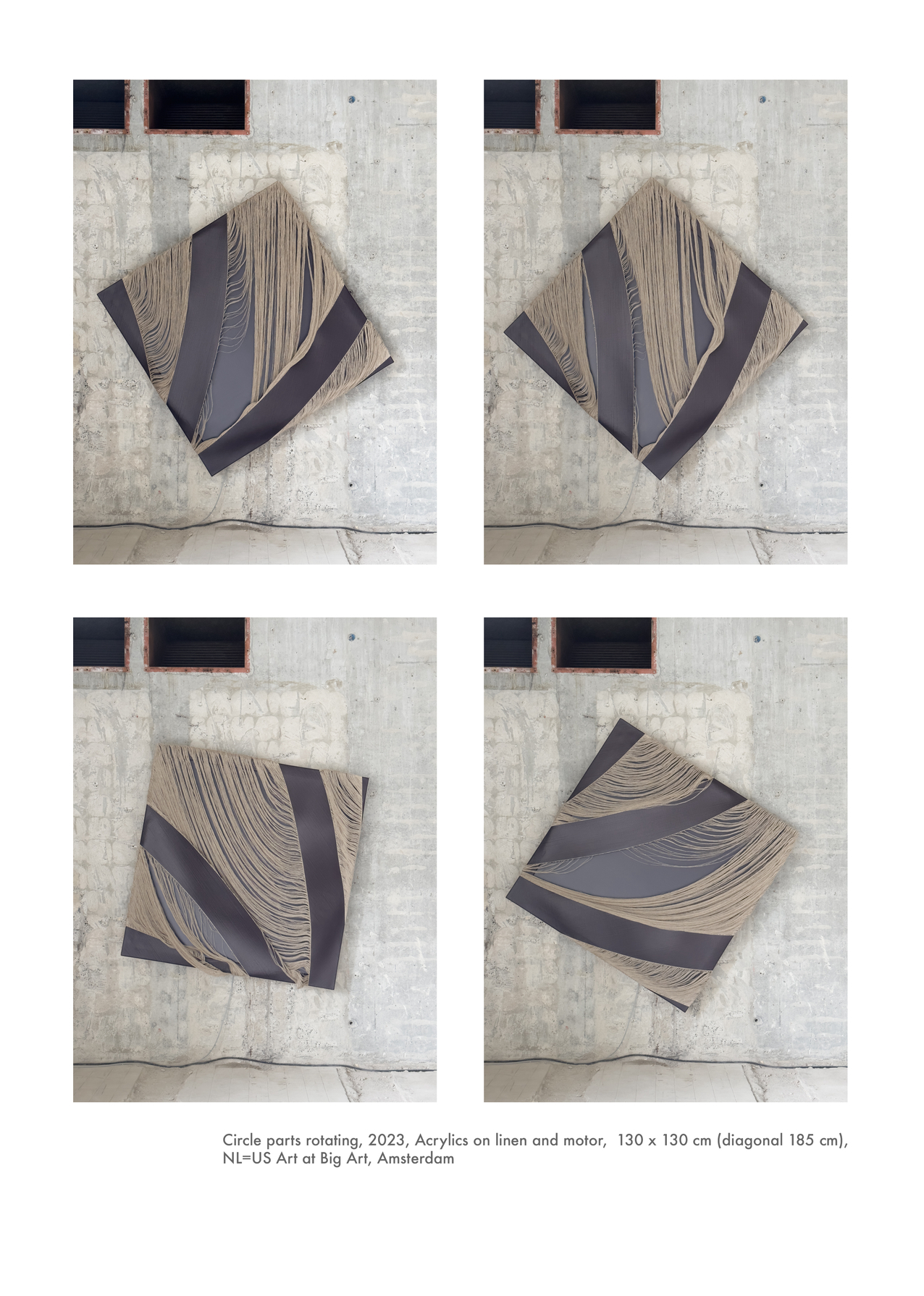
2023 ‘Big Art Bajeskwartier’, group show, represented by NL=US Art, Amsterdam, NL
2023 ‘Paint/Paper’, group show, FURNACE Gallery, Falls Village, Ct (USA)
2023 ‘First Glance’, group show, Bug2 Gallery, Tainan, Taiwan
2023 Art fair, Art Taichung, Bug2 Gallery, Tainan, Taiwan
2023 Art fair, Volta New York, Gallery NL=US art, Rotterdam, NL, USA
2023 ‘#101’, group show, Galerie NL=US art, Rotterdam, NL
2022 ‘Sharing Your Pulse’, curated by- and with a.o. artist Harry Markusse, Art platform De Apotheek, Amsterdam, NL
2022 ‘Big Art’, group show, represented by NL=US Art, Hembrugterrein, Zaandam, NL
2022 Art fair, ‘Art Rotterdam’, Gallery NL=US art, Rotterdam, NL
2022 ‘Re-canvassed’, with a.o .Kirsten Hutsch, Galerie NL=US art, Rotterdam, NL
2021 ‘Counterpart’, The art of South Holland, Curated by journalist/publicist and art critic drs. Aart. van der Kuijl, group show with 7 artists a.o. Joncquil, Inge
2021 Reisberman, Art Centre Provincial house Noord-Holland, Haarlem, NL
2021 The treasury’, Gallery NL=US art, Rotterdam, NL
2021 ‘Material Mutations part I’, Gallery Transmitter, New York, USA
2021 ’Painter’s flight’, Art Centre Artphy, Onstwedde, NL
2019 ‘More and Less’, Gallery NL=US art, duo show with Jan Maarten Voskuil, Rotterdam, NL
2019 ‘RNOP’, Acec, Apeldoorn NL
2019 ‘It's a small world after all’, Sebastian Fath Contemporary, Mannheim, DE
2009 ‘Over all’, DOK, Delft, NL (solo)
2002 ‘Lessons’, Group show with a.o. Lidy Jacobs, Jan Henderikse, Art center, Delft, NL
2001 ‘Lof der zotheid’, Architectenbureau Queeste, The Hague, NL (solo)
1999 ‘Flat Emptiness I / Doodles’, 'Bij Mij', The Hague, NL (solo)
1998 ‘7 Floating statues’, River De Rotte, Rotterdam, NL
1997 ‘The Remaining OLVL’, District office, Breda, NL
1991 ‘Bontwerken’, Yvonne Scheper Gallery, Haarlem (solo)
1991 ‘Canto ostinato’, group show with a.o. Pieter Engels, Gallery Brinkman, Amsterdam, NL
1990 ‘Play the Game’, Yvonne Scheper Gallery, Haarlem, NL
1990 ‘Corner piece, installation’, duo show with Jean Paul Franssens, Gallery Brinkman, Amsterdam, NL
1990 ‘Golden golf ball’, Performance Act on ‘The Pop stage event’, Sarphatipark’, Amsterdam, NL (solo)
1990 ‘Sweet Environment’, Performance 24/7, Art Route De Pijp, Amsterdam, NL (solo)
1990 ‘Kissing Objects', library, Den Bosch, NL (solo)
1990 'Facade show', Light show and Performance 24/7, Den Bosch Centrum, NL (solo)
1989 ‘Selected Graduates NL 1989’, Centraal Beheer, Apeldoorn, NL
Commission work
2000-2017 Advisor of the purchasing Art Collection Dutch Government, Art Center Delft, NL
1991-1993 Advisor of the Advisory Committee Art fund North Brabant Art Foundation, NBKS, NL
1990 Advisor Purchasing Committee and Production budgets for female artists, Amsterdam, NL
Art and Architectural work
2009-2012 Head of the private art lending Art Center Delft and DOK, Delft, NE
2007-2008 Employee Art lending and education Art Center Delft, Delft, NE
2006-2007 Employee Gallery Ecce, Rotterdam, NL
1988-1989 Draftsman at Architectural firm Ir. Stevens en Trimp, Den Bosch, NL
1987-1990 Draftsman Architectural firm Ir. Ger Bout, Rotterdam, NL
1978-1989 Work experience by ceramists, a.o. Gouda, Leiden, Den Bosch, NE
1978-1985 Artist-in-residence Ceramists a.o. Doissat, Belves, Tremargat, FR
Education work
2013-2017 Advisor and executor Art Center / Cultural Institution DOK, collaborations with Primary- and Secondary schools of Delft, Museum Het Prinsenhof Delft, VAK Delft and Galleries Delft: developing and implementing exhibition- and education programs, Delft, NL
2013-2017 Educational advisor, developer and executor art programs Primary- and Secondary Schools in Delft, Cultural Art Center / Cultural Institution DOK Delft, NL
2007-2008 Art lending and education employee Art Center Delft, Delft, NL
1984-1986 Developer and executor of ceramic lessons at ‘De Cricket’, Creative and Cultural Center, Oisterwijk, NL
Artist-in-residences periods:
2024 Artist-in-residence Livingstone Projects Berlin, Berlin, DE
2020 Artist-in-residence Dormans, working period Dormans, FR
1978-1985 Artist-in-residence by ceramists a.o. Leiden, Doissat, Belves, Tremargat, NL, FR
Art Assignments
1999 Painting assignment for the Private Art Collection Koningberger, Eindhoven, NL
1998 Sculpture assignment for the Municipality Rotterdam, ‘ Floating statues on the river De Rotte, Rotterdam, NL
1990 ‘Assignment ‘Up and down kiss 115 kilometers’, NS Dutch railways concept-sculpture for the railway Amsterdam – Utrecht, NL
1090 Sculpture assignment for the Municipality Den Bosch, ‘Liberation Festival’, ‘Filling Cabinet’, Den Bosch, NL
1989 Sculpture assignment, ‘first pile was driven’ in garden of M. Schut, Den Bosch, NL
Art in private and corporate collections:
2023 Government Collection Catherine Yen, Taiwan
2023 Privatie Art Collection Dr. Lin Jinyi Tainan, Taiwan
2023 Private Art Collection Zantman, Rotterdam, NL
2022 Kikx Development, Corporate Art Collection, Rotterdam, NL
2021 NLisUSArt, Corporate Art Collection, NY, USA
2021 Private Art Collection Zantman, Rotterdam, NL
2019 Private Art Collection Dietmar Konrad, Östringen, DE
2019 ‘Art Dollhouse’, Corporate Art Collection, Curator Tea Slonina, Rotterdam, NL
1999 Dutch government Art Collection, Art Center Delft, NE
1998 Private Art Collection Koninsberger, Breda, NL
1998 Dutch government Art Collection, Art Center Delft, NE
1997 Dutch government Art Collection, Art Center Delft, NE
1997 Private Art Collection Gescher, Den Haag, NL
1989 Private Art Collection. advisor Magriet Schut, Den Bosch, NL
Education & work in the arts NL
2013-2017 Advisor and executor Art Center / Cultural Institution DOK, Delft, NL
2013-2017 Educational advisor, developer and executor art programs Primary- and Secondary Schools Delft, Cultural Art Center / Cultural Institution DOK Delft, NL
2009-2012 Head of the private art lending Art Center Delft and DOK, Delft, NE

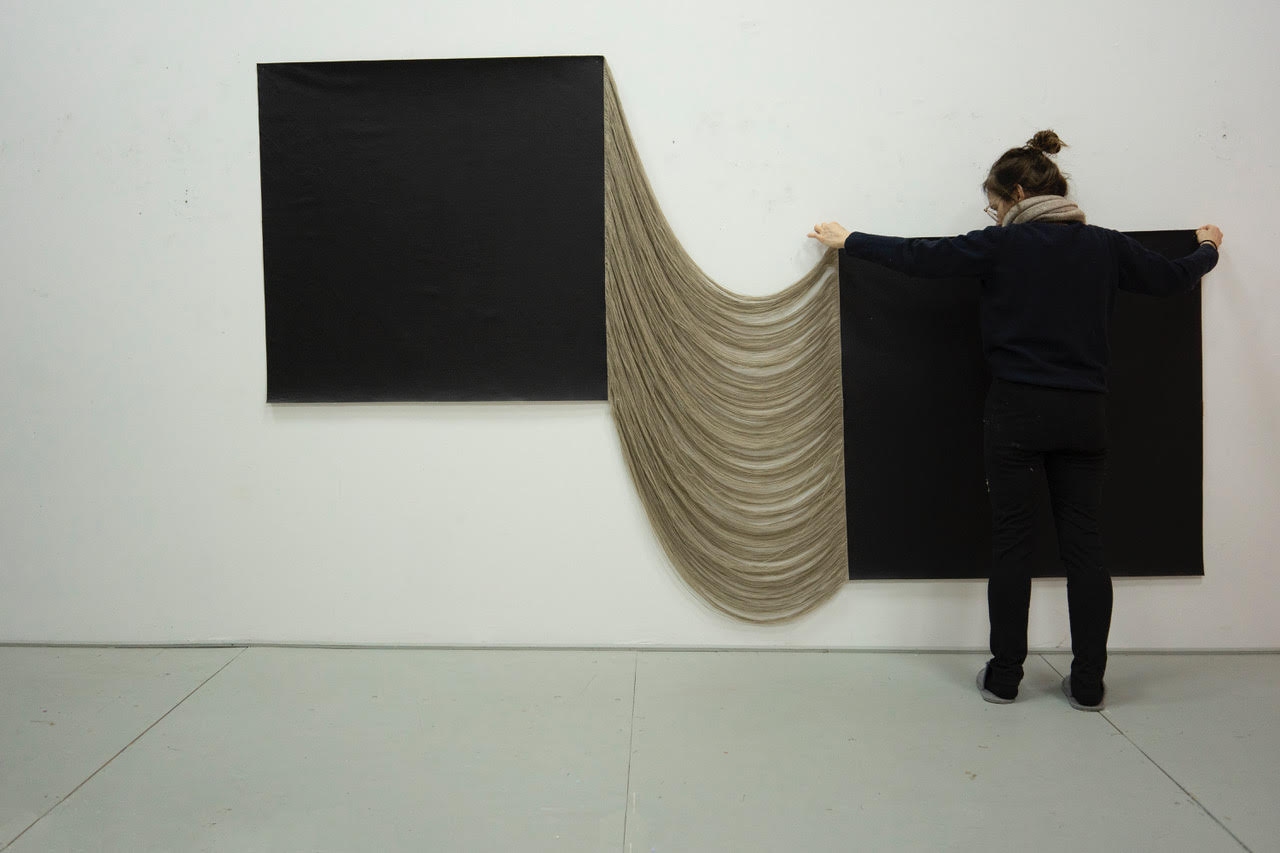


%2C%202022-2024%2C%2029x59%2C5x5%20cm.jpg)
%2C%202022-2024%2C%2029x64x5%20cm%20Euro%203.750%2C00.jpg)
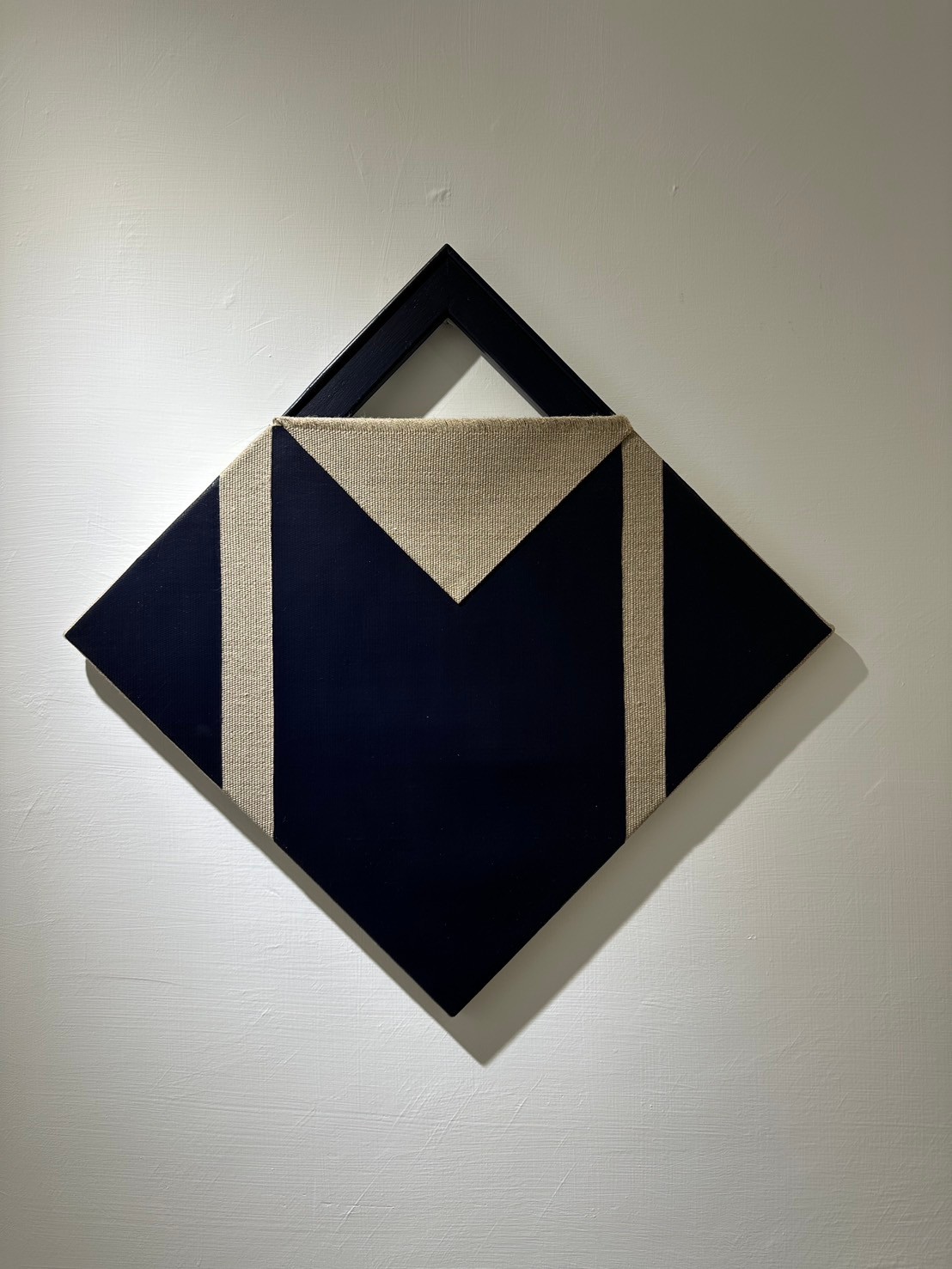

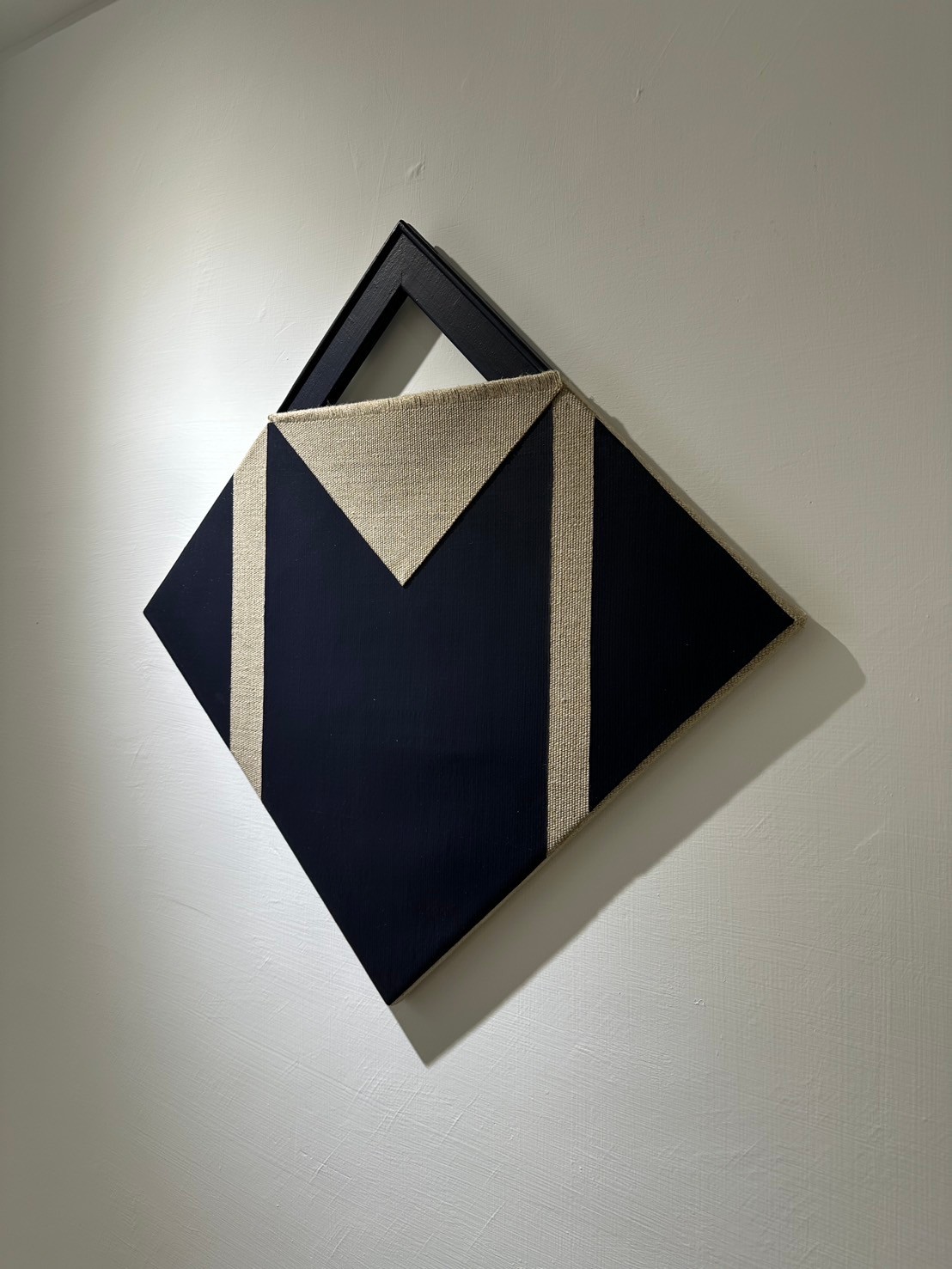
%2C%202023%2C%20152x50cm%2C%200.25.jpg)
%2C%202023%2C%20152x50cm%2C%200.75.jpg)
%2C%202023%2C152x50cm%2C%200.25.jpg)


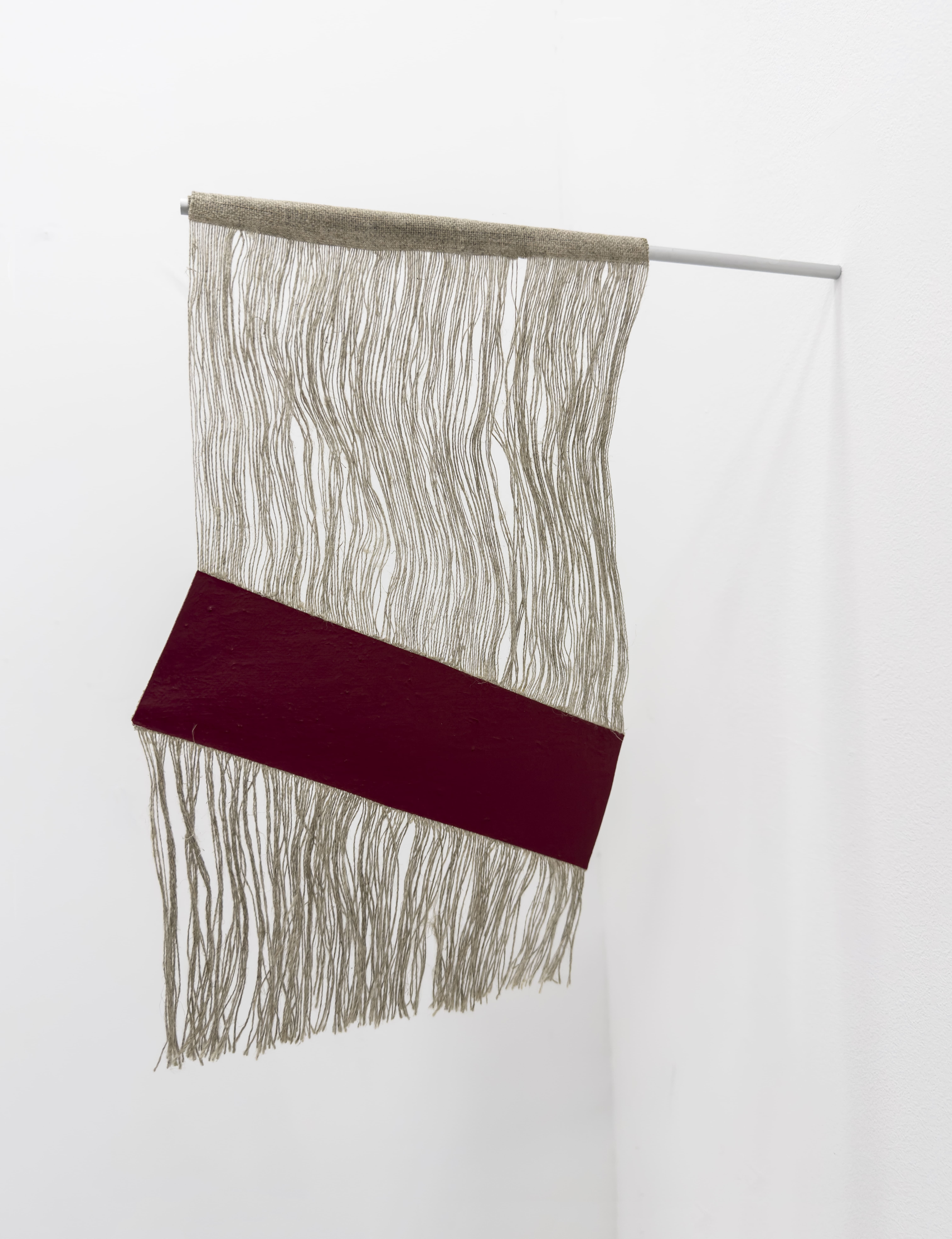


%2C%202019%2C%20variabel%20size%20max%20201%20x%2030%20x%2070%20cm.jpg)
%2C%20variabel%20size%20max.%20201%20x%2030%20x%2070%20cm.jpg)
%2C%202019%2C%20variabel%20size%20max%20201%20x%2030%20x%2070%20cm%20.jpg)
%2C%202019%2C%20variabel%20size%20max.%20201%20x%2030%20x%2070%20cm..jpg)
%2C%202019%2C%20variabel%20size%20max.%20201%20x%2030%20x%2070%20cm.jpg)
%2C%202019%2C%20variabel%20size%20max.%20201%20x%2030%20x%2070%20cm.jpg)