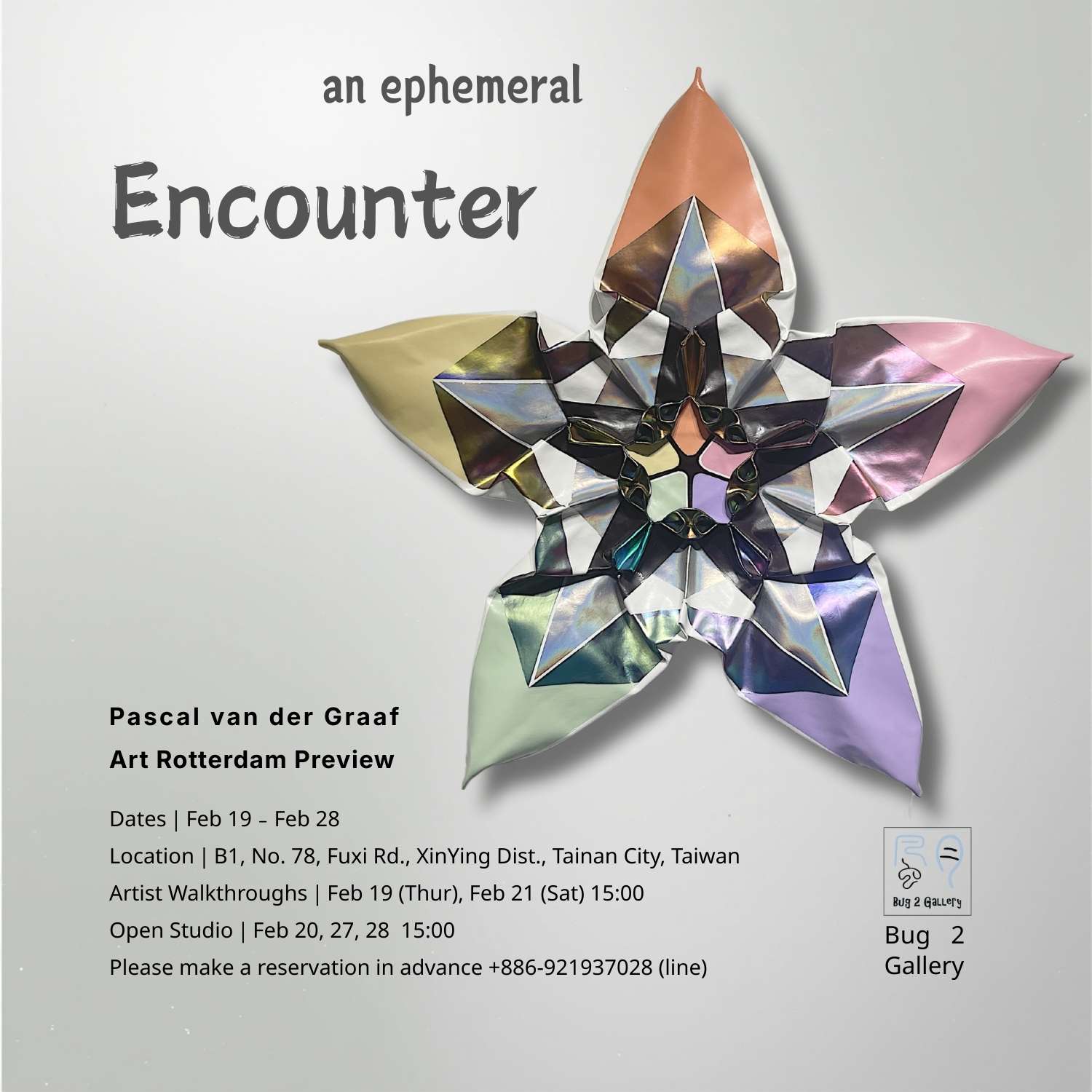
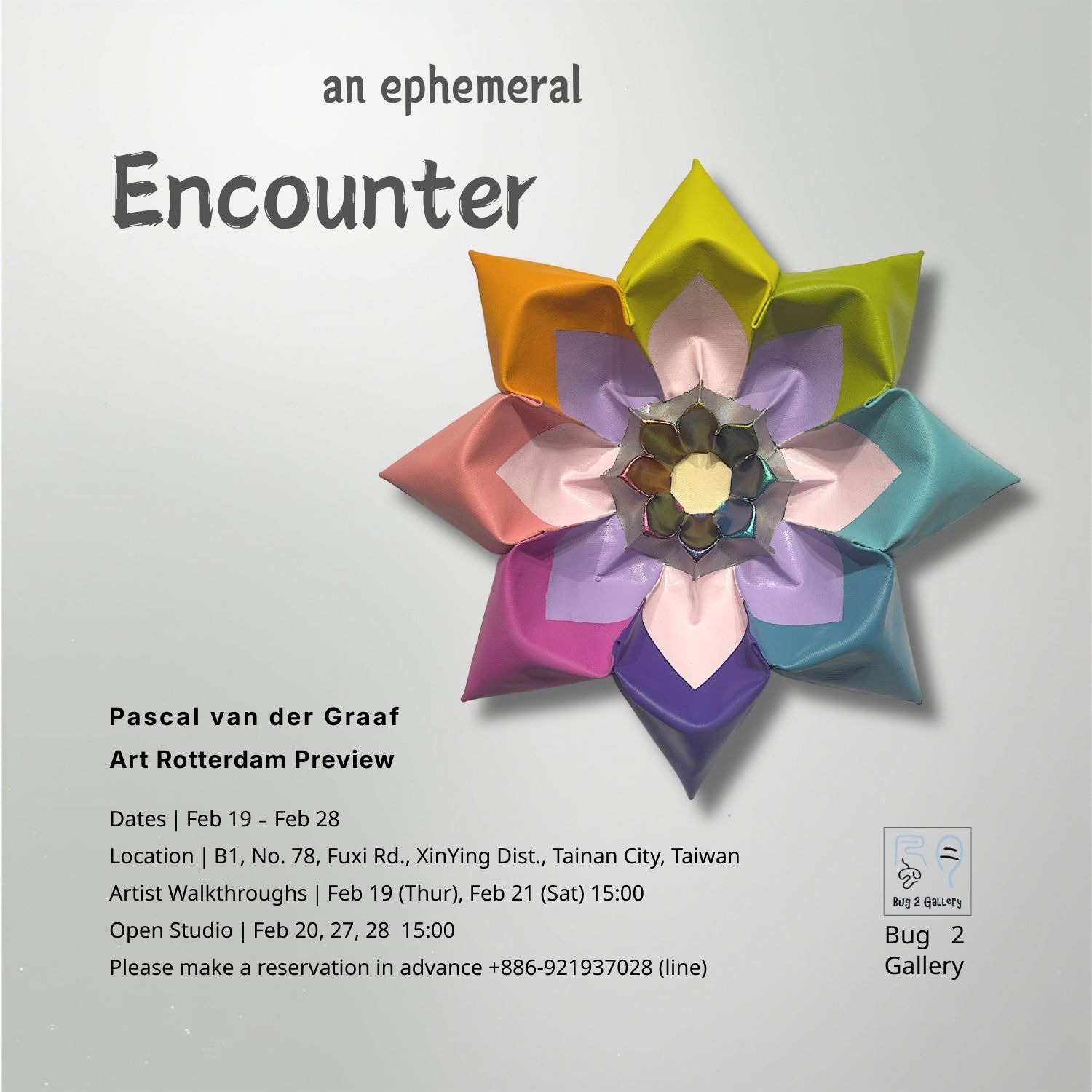
An Ephemeral Encounter
2026-02-19
-
2026-02-28
Bug 2 Gallery
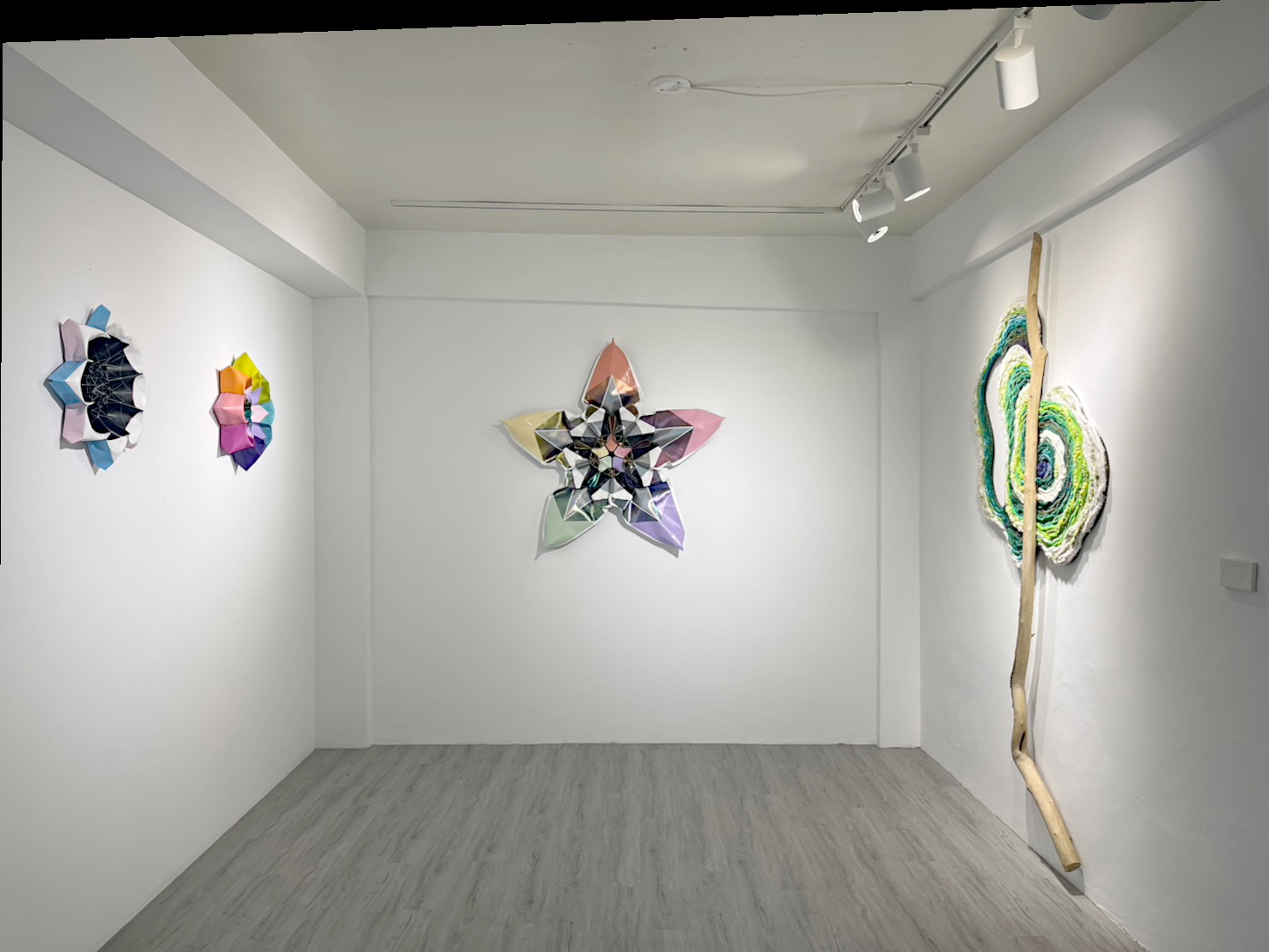

_0.25.jpg)
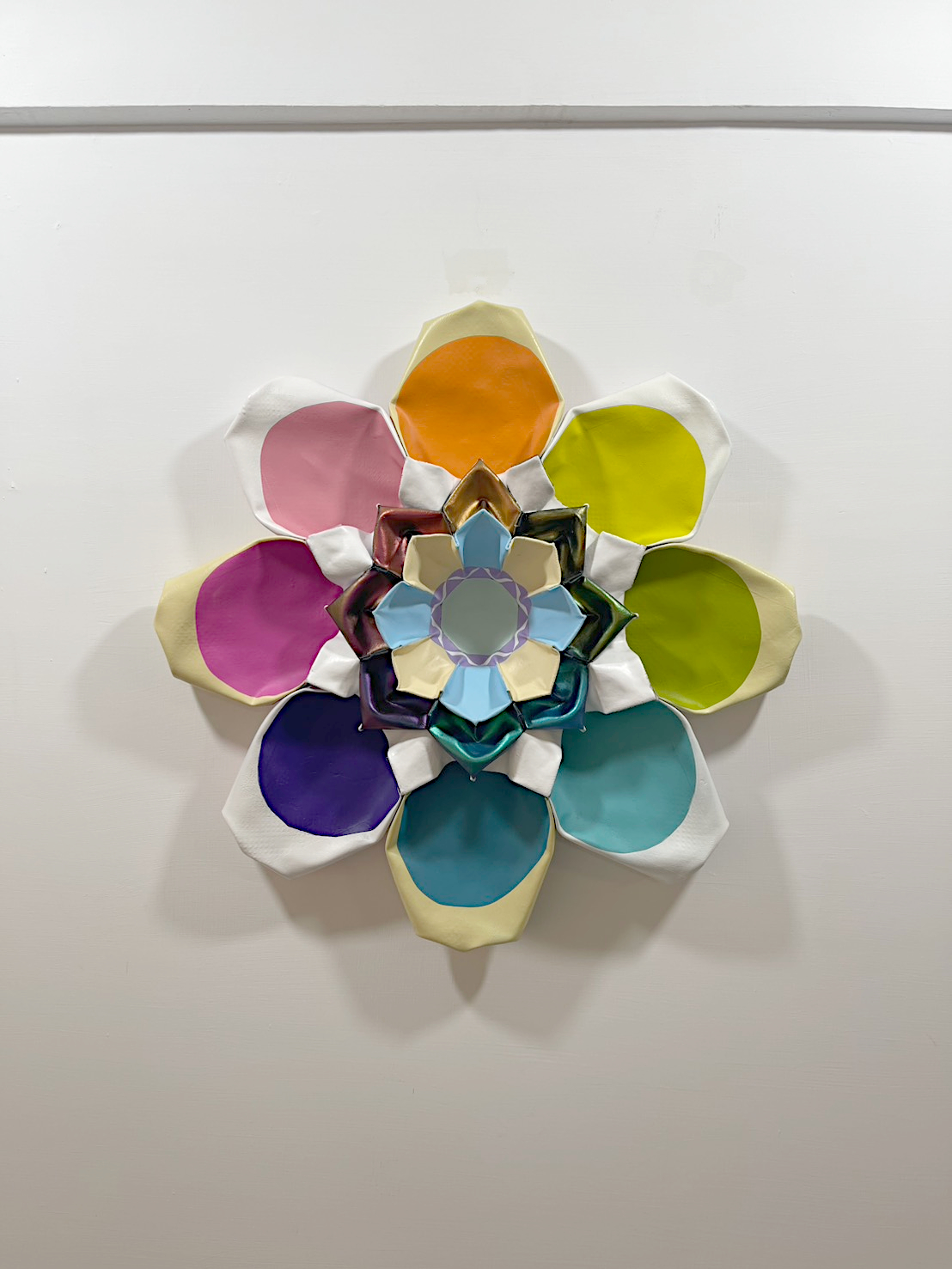
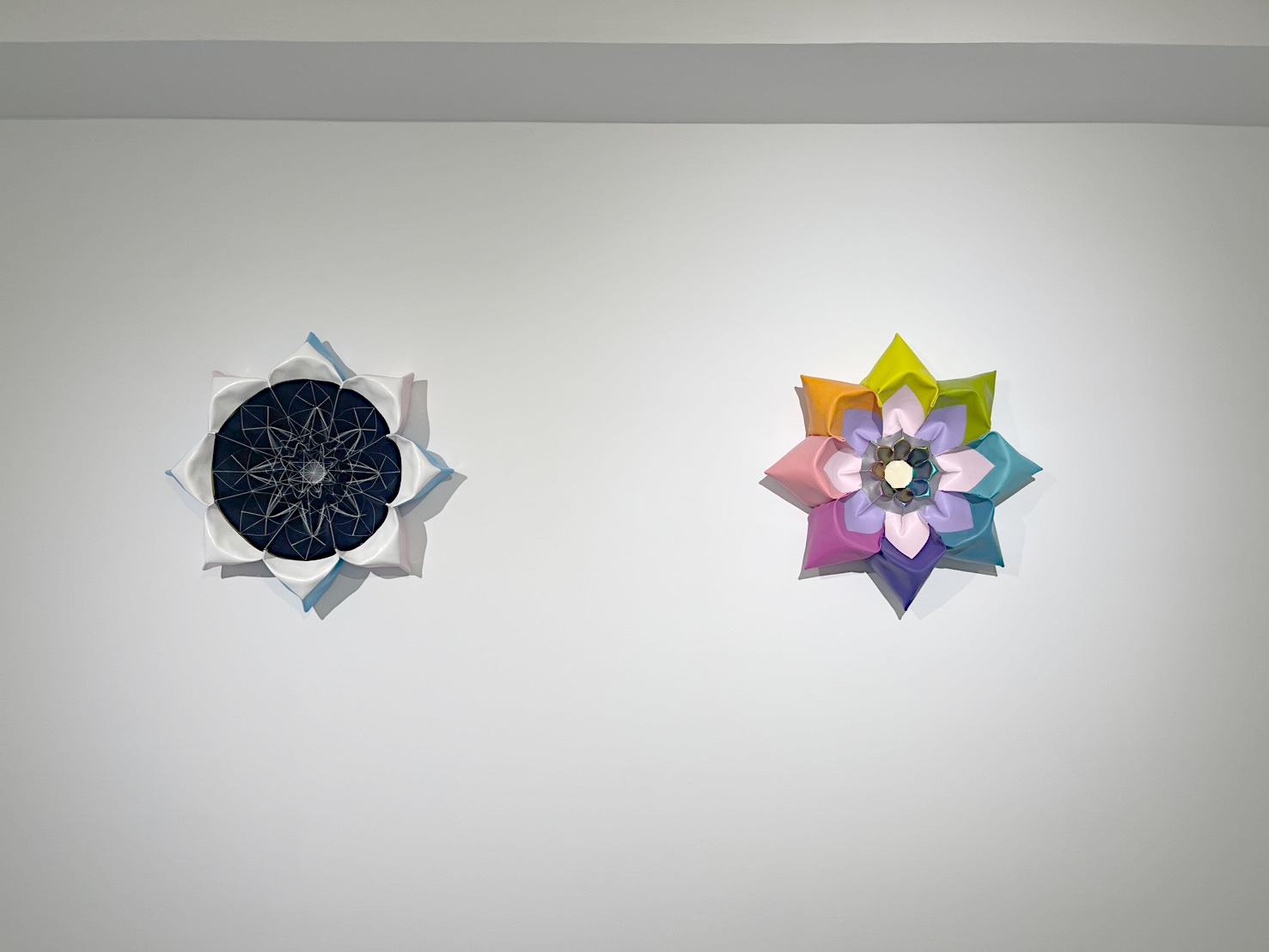
▌The Bloomson Series|Treating the canvas as paper, the frame as sculpture
One of the most frequently asked questions in contemporaryabstract art is: “How are these works actually made?” In the studiopractice of Pascal van der Graaf, this question functions not as anobstacle, but as an entry point—leading from how a work is made to whyit takes its particular form.
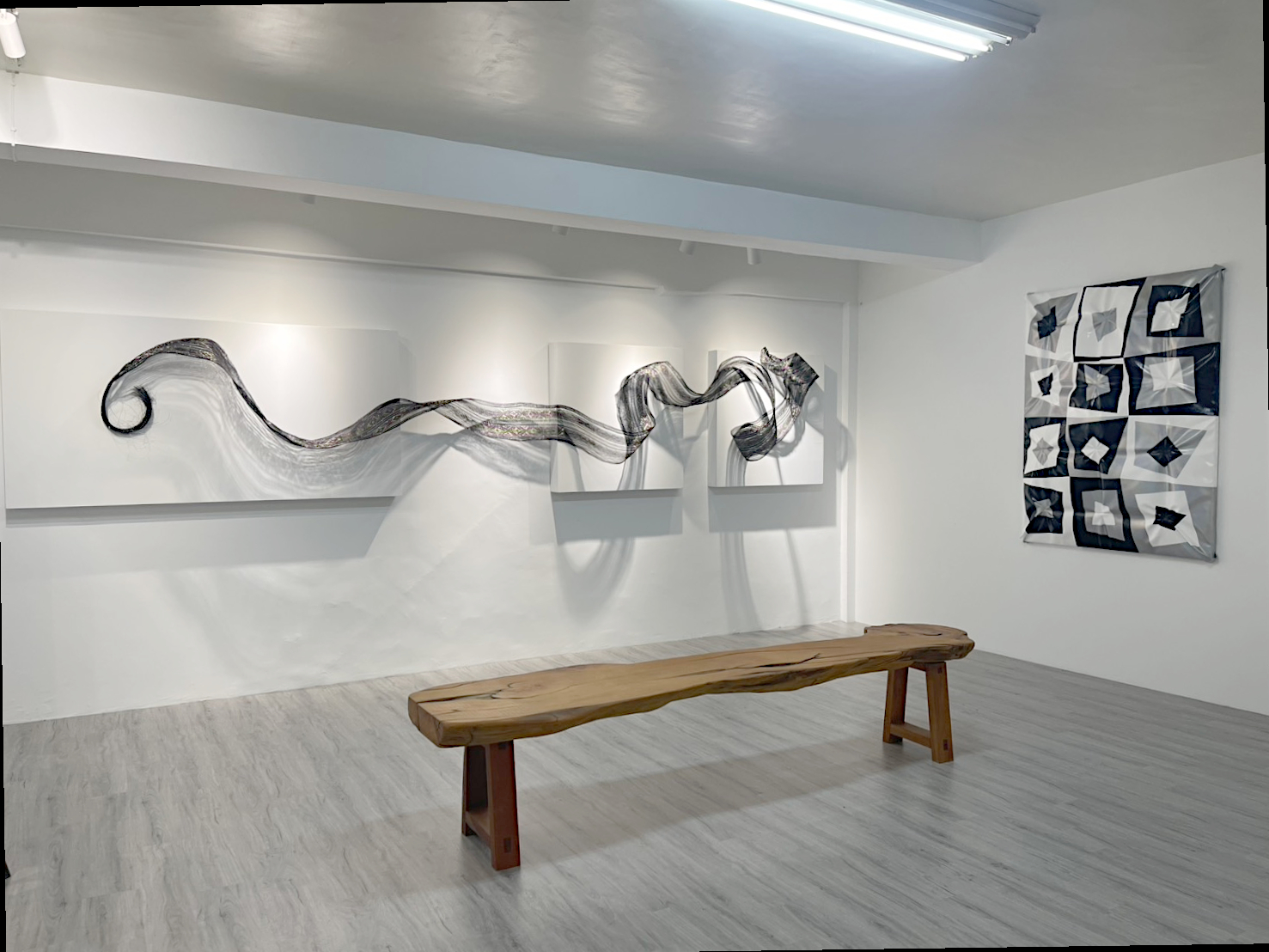
For this reason, the pop-up exhibition incorporates an openstudio format as an integral part of the presentation. Visitors are invitedto observe how folds emerge, how the canvas is physically shaped, how the frameis pushed toward deformation, and finally, how paint responds to light andviewing angle. The works are no longer presented merely as finished objects onthe wall, but as the outcome of a technical journey—a rare disclosure of themaking process itself.
▌Theconvergence of three disciplines: Frame shaping × Canvas shaping × Painterlyexpertise
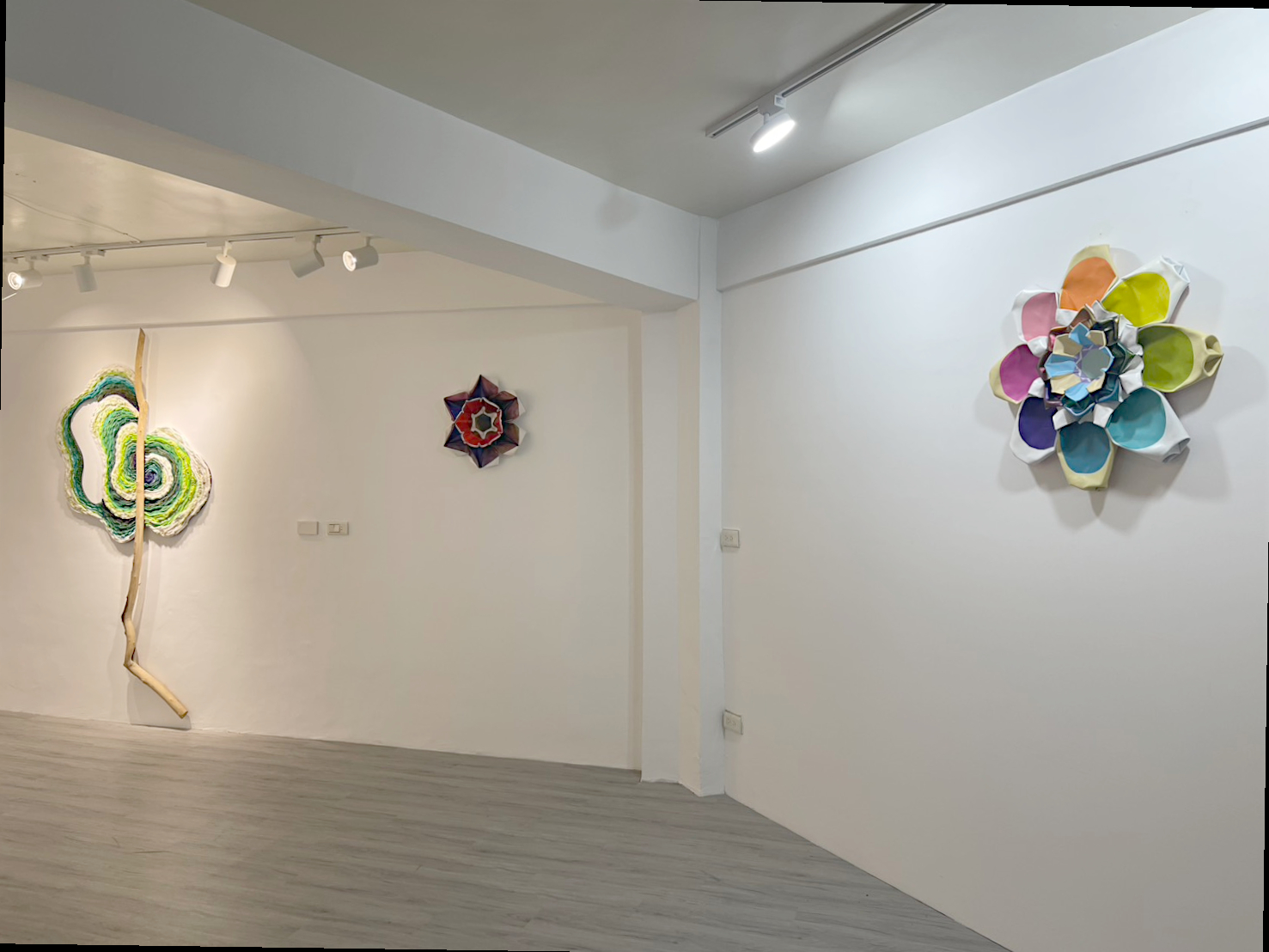
All works on view belong to Pascal van der Graaf’s recent Bloomseries. Rather than a single formal or material experiment, the seriesrepresents the convergence of three distinct yet interdependent fields ofexpertise:
- Frame shaping
During artist Jan Maarten Voskuil’s residency in Xinying last year, his approach to frame construction and structural thinking entered Pascal’s studio practice. This encounter prompted a fundamental shift: the frame is no longer a hidden support, but becomes an active agent in the work’s tension and posture—an integral component of the form itself. - Canvas shaping
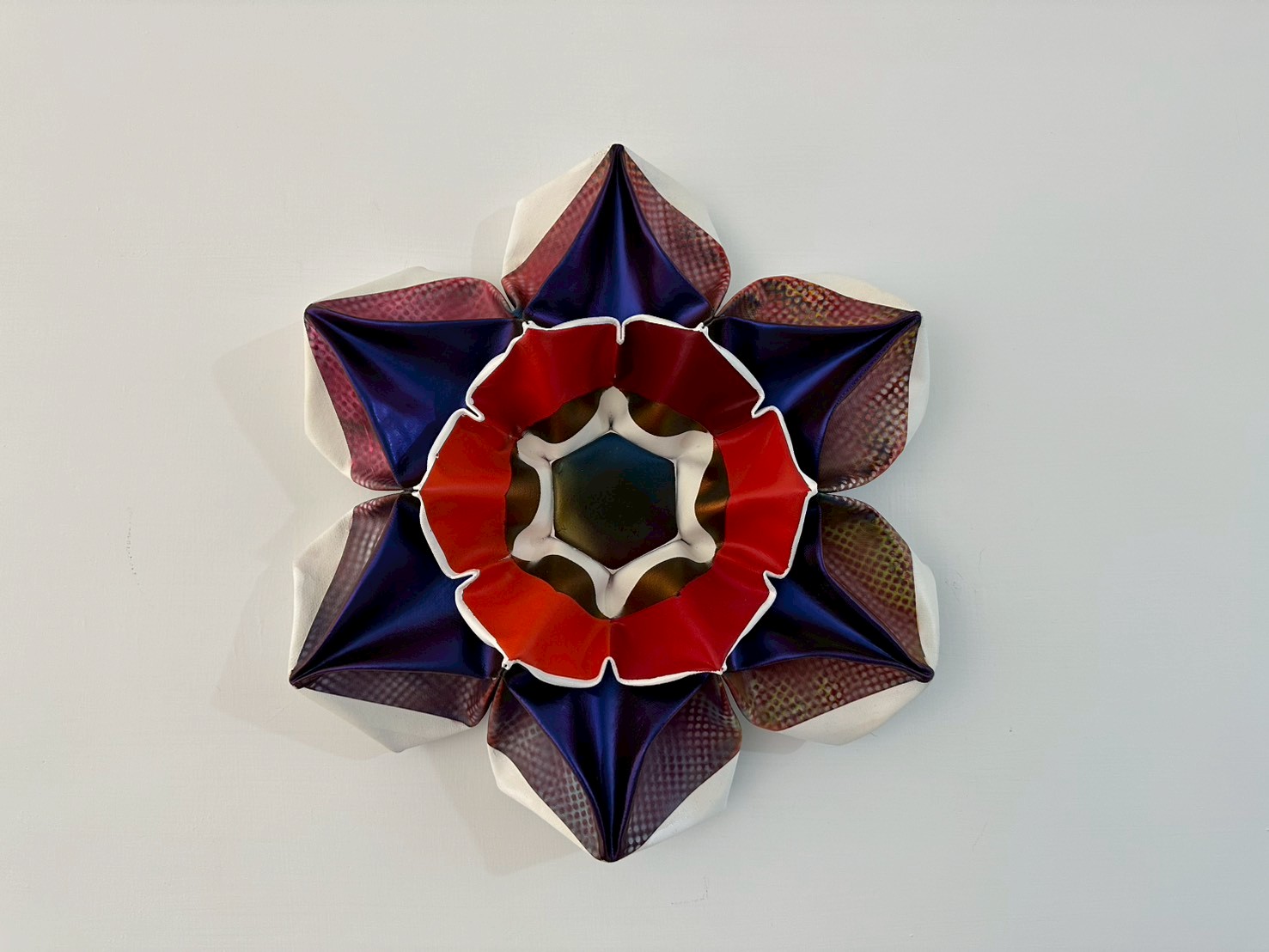
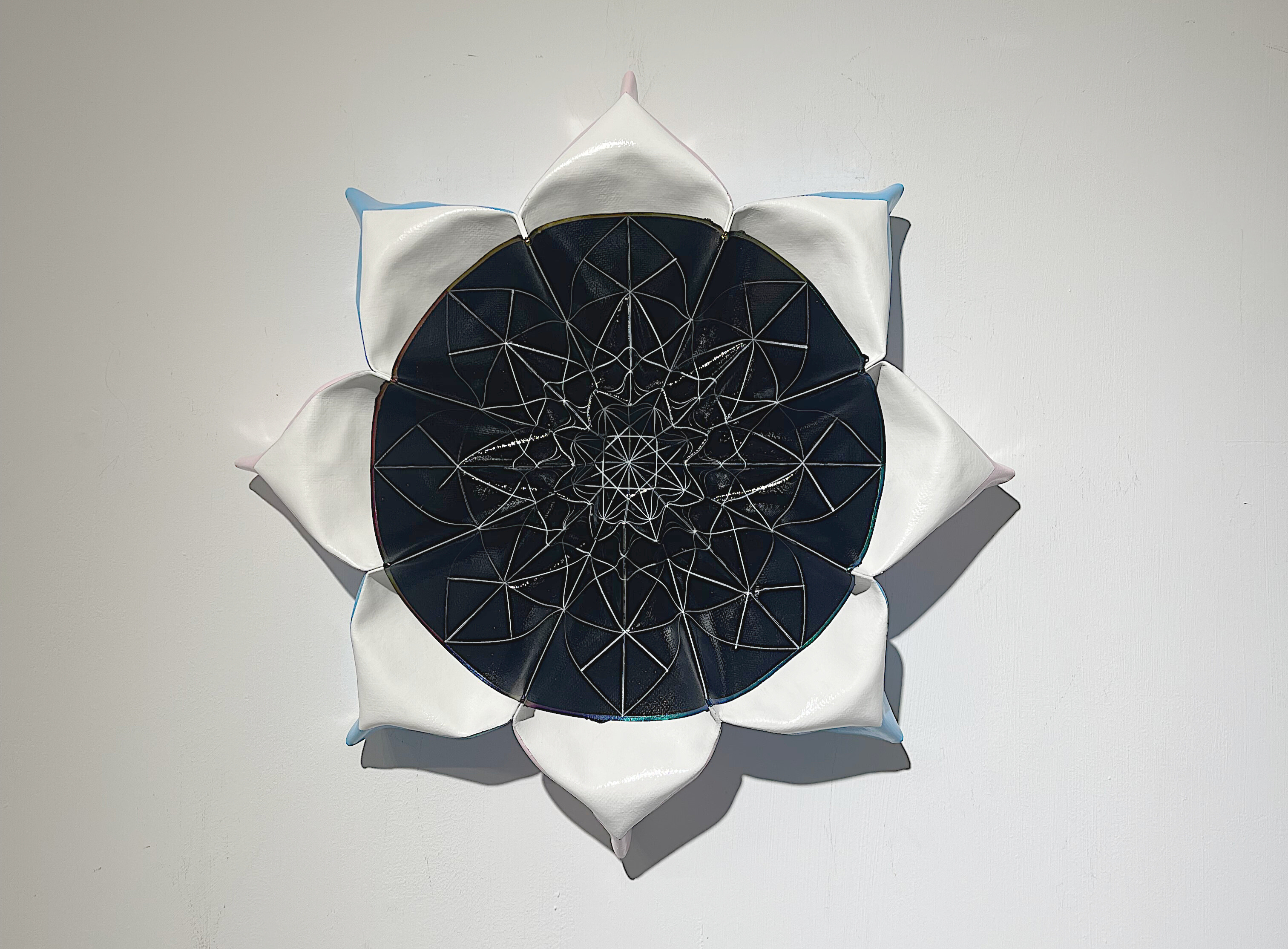
Pascal’s lifelong engagement with paper folding is translated into a sculptural treatment of the canvas—through folding, pressing, compression, and volumetric articulation. By treating canvas as paper, abstraction is released from the flat surface and enters the realm of form. - Painterly expertise
In 2007, Pascal received the Dutch Royal Award for Painting for two black-and-white works, affirming the rigor of his painterly training. As his works became increasingly three-dimensional, color and composition were not subsumed by form; instead, they were activated with greater precision. Every fold serves a visual rhythm, and every color plane must hold structurally within the whole.
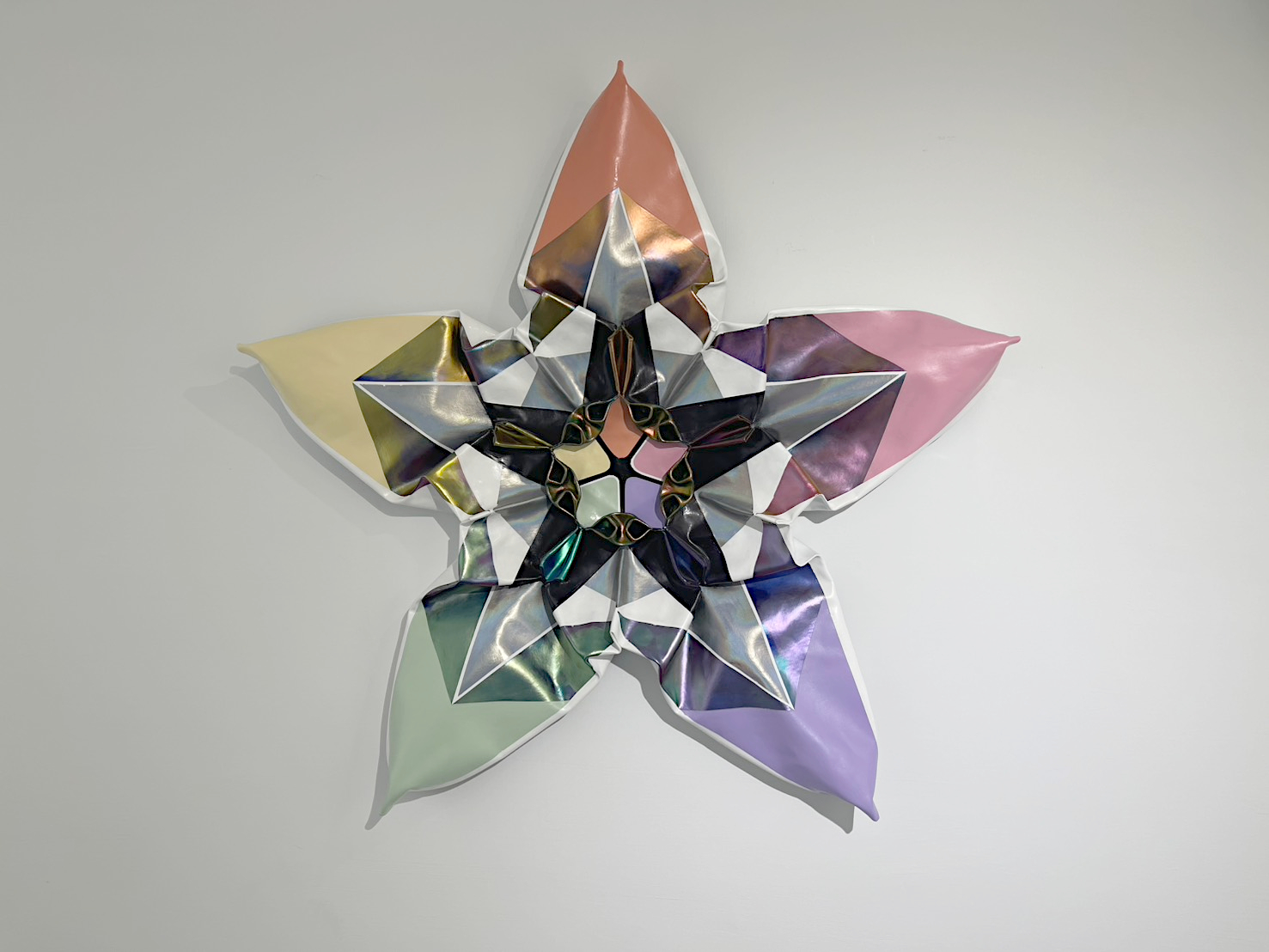
The “bloomson” in theBloom series is therefore less a decorative metaphor than a structuralphenomenon. Through layered folding, frame pressure, and visual gravity,the works unfold outward from a center—resembling flowers or celestialbodies—forming fields of tension that are at once rational and sensorial.
▌Color-shiftingautomotive paint: Light as a constituent material
Materially, Pascal extends his painterly language throughthe use of automotive paints, including color-shifting pigments andadvanced industrial spray techniques. These materials resist singular chromaticreadings; instead, they shift as the viewer moves—purple to blue, green togold, cool to warm—revealing multiple tonal states on the same folded surface.
These effects are not pursued for spectacle alone. Theyreturn to a fundamental proposition of abstraction: abstraction does noteliminate imagery; it reconstructs the conditions of seeing. In the Bloomseries, light is not merely illumination—it becomes a fourth material,allowing color to appear harmonious and expansive at a macro level, whileremaining subtly complex and inexhaustible upon close inspection.
▌Advancingtwo art-historical trajectories
Pascal van der Graaf’s recent sculptural works stand firmlyat the intersection of two major art-historical trajectories:
first, the internal logic of abstraction—color, composition, rhythm, andspiritual resonance;
second, the lineage of shaped canvas and the sculpturalization ofpainting—where the canvas transitions from surface to object, and the framemoves from invisible structure to visible form.
Pascal’s advancement lies in his refusal to treat form as abetrayal of painting. Instead, form is embraced as painting’s next step.Canvas, frame, pigment, and light together construct a visual body that invitesmovement, circumambulation, and duration. These works are simultaneouslypaintings and objects; abstract yet sculptural; governed by geometry whileunfolding with a floral, outward energy.
▌Tendays to witness how a work becomes a work
Before the Bloomson series travels to the Netherlandsand enters a different cultural and viewing context, Bug 2 Gallery presentsthis ten-day preview exhibition as a temporary pause in Taiwan.
Visitors are invited to move between exhibition space andstudio—encountering not only what the works look like when completed, but howthey come into being. Fold upon fold, frame against frame, layers of spray,sheen, and time accumulate—until the works ultimately bloom into form upon thewall.
%20cyanoacrylate%2C%20enamel%20and%20spraypaint%20on%20canvas%2063%20x%2059%20x%209%20cm%2005.jpg)
%20(1).jpg)