Between Threads
2026-09-30
-
2026-12-26
Bug 2 Gallery, Tainan

.png)
.png)
.png)
.png)
.png)
.png)

.jpg)
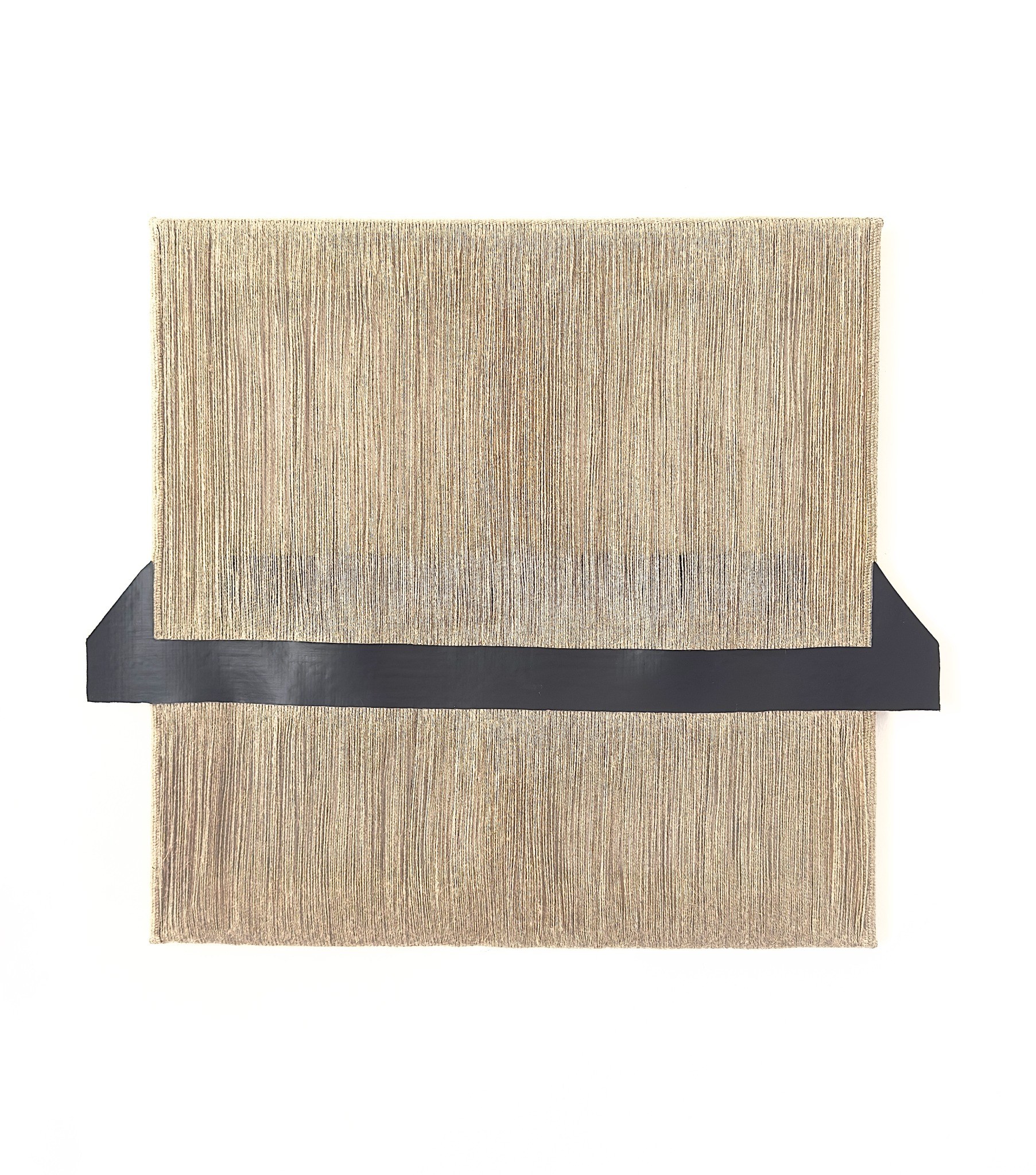
Between Threads: Duo by Lily de Bont & LU Chiahui
“You have woven so much cloth, yetnot one piece is complete, and not one of them can be used.”
Lu Chia-Hui’s father once askedher this question. In an age when objects can be produced quickly and obtainedwith ease, what does it mean to spend countless hours weaving something by handthat cannot be worn, sat upon or put to everyday use?
This question is also the startingpoint of Between Threads.
Textiles are rarely seen inthemselves. Canvas carries an image; a mat carries the body. We look at apainting but overlook the canvas beneath it. We sit on a woven mat withoutnoticing how individual strands of rush have been crossed to form its surface.Once a material begins to fulfil its function, it quietly recedes behindwhatever it has been made to carry.
Lily de Bont and Lu Chia-Huiapproach textiles from opposite directions, interrupting this familiarrelationship between material and use.
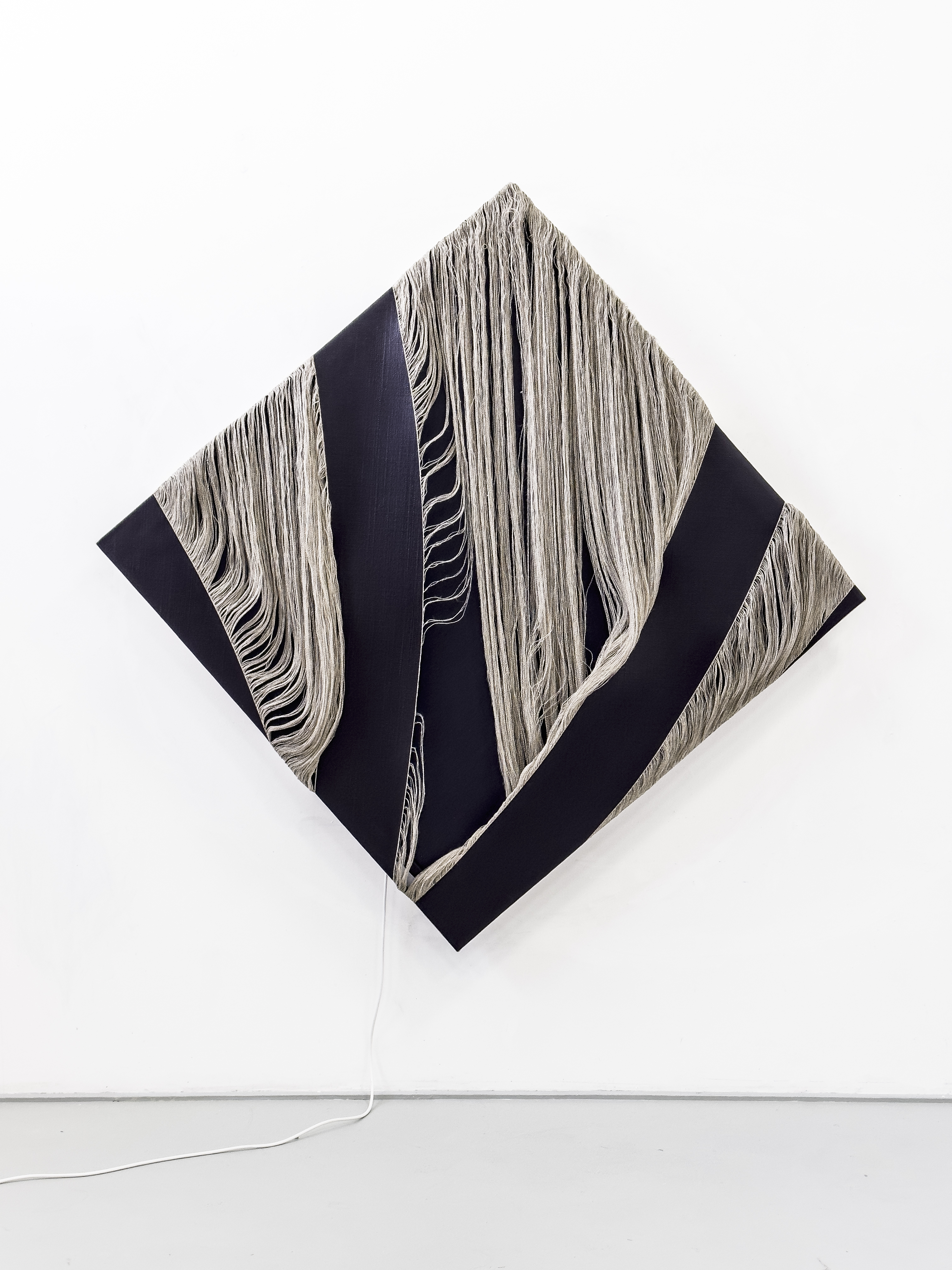
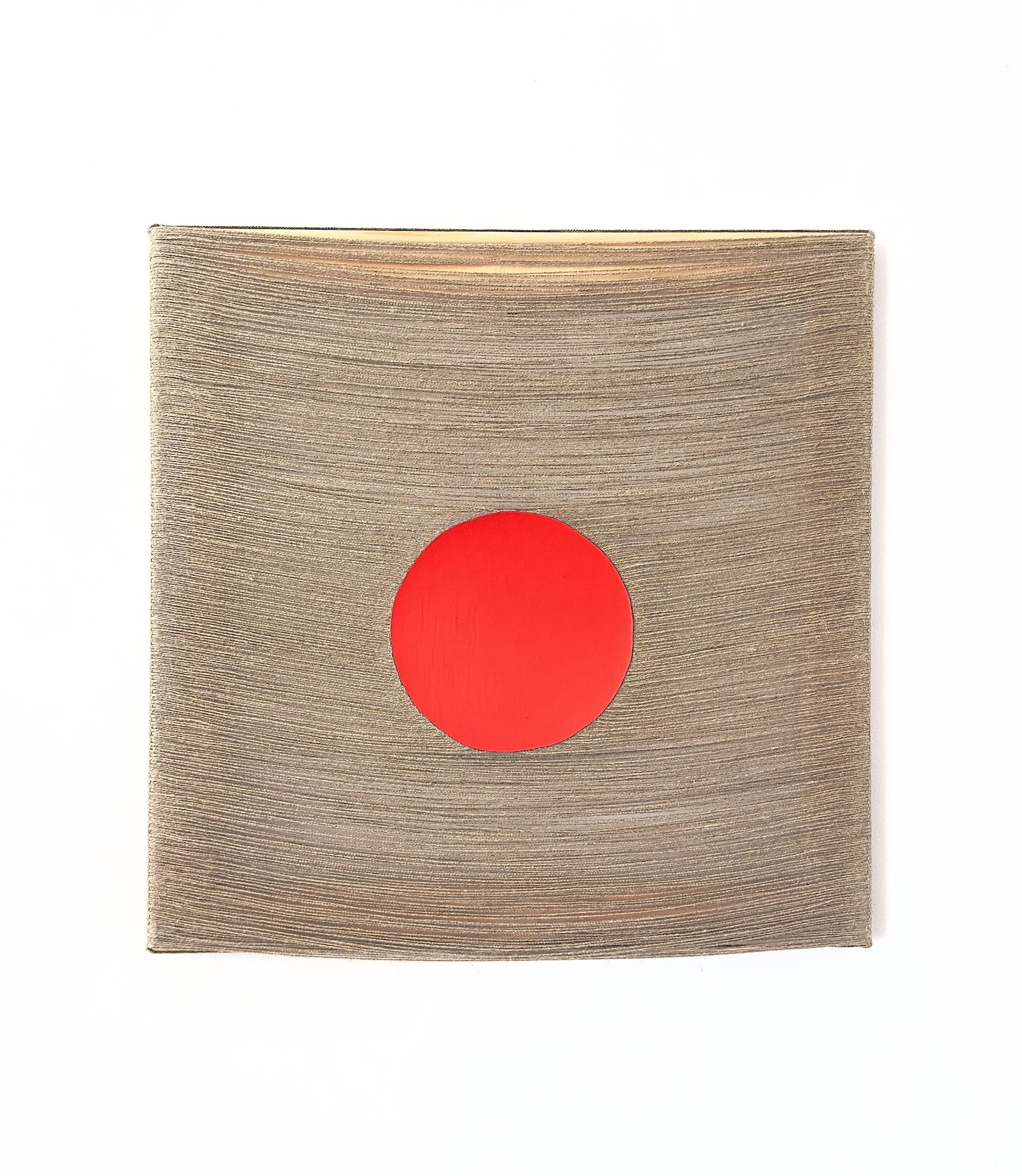
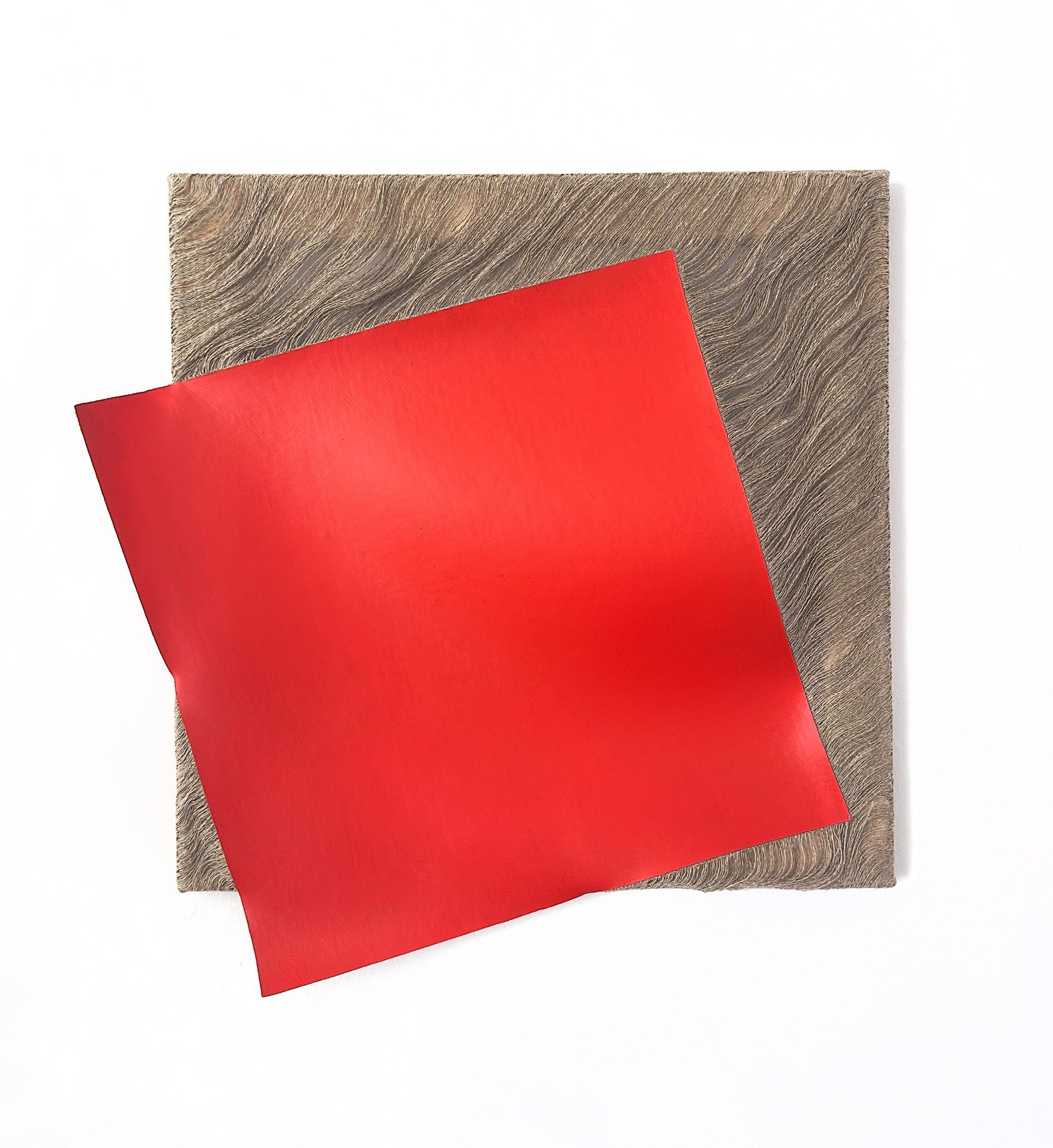
De Bont cuts, removes and loosensthe woven structure of painter’s linen, allowing the canvas to become more thana surface waiting to be covered with paint. As sections of the weft areremoved, the warp threads—once stretched taut and hidden beneath theimage—become visible again. The canvas begins to hang, turn and open into gaps,responding to gravity and the space around it. De Bont does not abandonpainting. Instead, she returns it to its most basic material condition: a clothmade of interwoven threads. The canvas no longer disappears behind the artwork.Its texture, tension and physical character become the subject of ourattention.
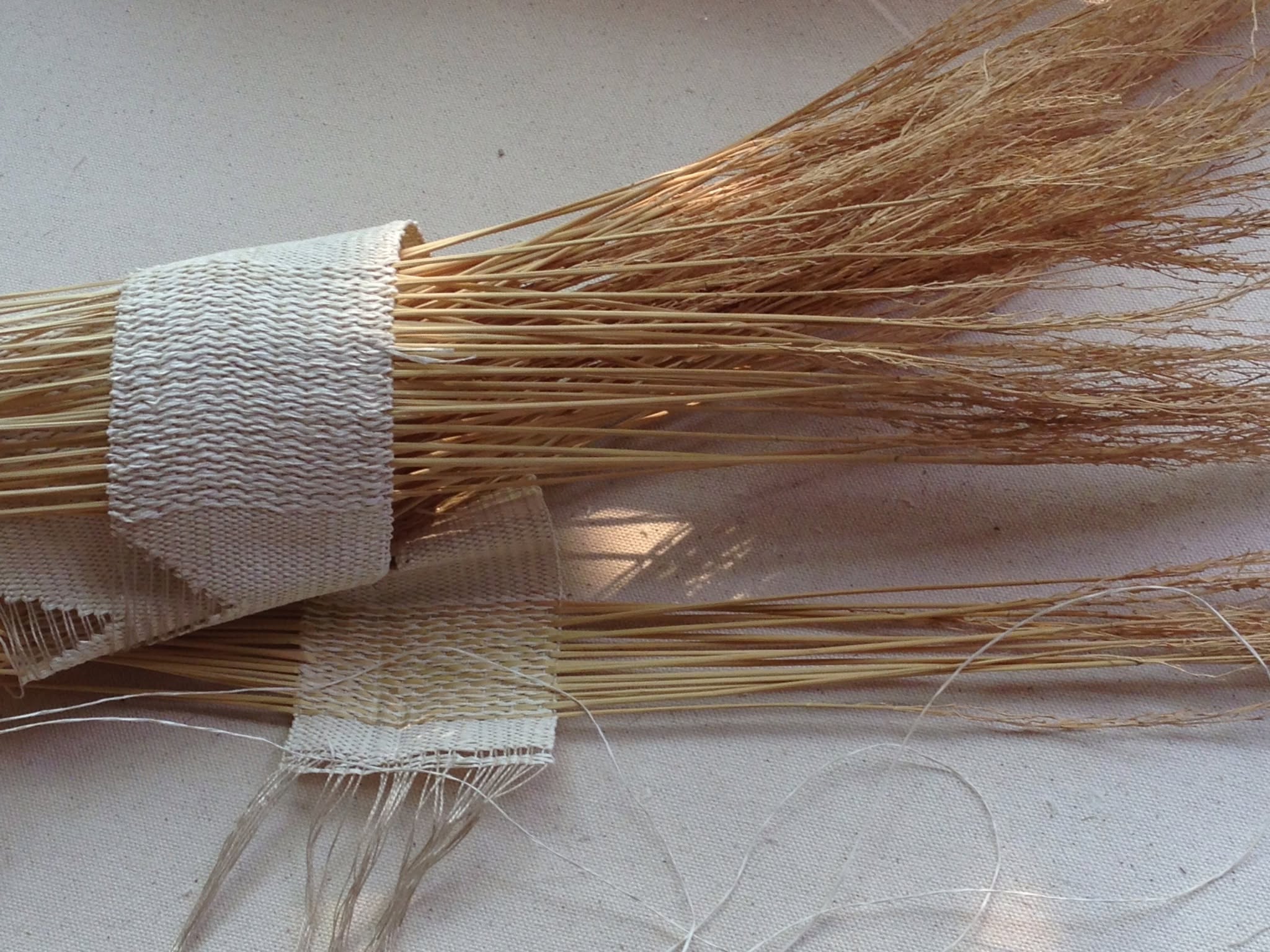
Lu begins from the other end ofthe process. Working with rush grass, dye and hand-weaving, she draws ontechniques once used to make mats, hats and household objects, while releasingthe resulting forms from their practical roles. When woven rush no longer hasto be used, we begin to notice the complexity of its structure, the order ofits colours and the small variations left by the hand. Every act of lifting,pressing, crossing and tightening records a movement of the body. A wovensurface is not only a finished object; it is also a trace of time worked slowlyinto material.
One artist removes threads from acompleted canvas; the other brings separate strands of rush together to createa plane. One loosens a structure, while the other builds one. Warp and weft arenot simply materials, but a way of establishing order. Lu creates that orderthrough rhythm, repetition and the steady crossing of fibres. De Bont opens gapsfrom within an order that already exists. Neither artist entirely leavestradition behind. Instead, each moves within its structure. New possibilitiesemerge not from destroying an existing form, but through a slight shift, aloosening or a different arrangement.
Colour also enters their works indifferent ways. Lu dyes the rush before weaving and then determines theposition and rhythm of each colour as the surface gradually takes shape. Colouris woven into the work and becomes part of its structure. De Bont applies paintto linen that has already been woven. Her red, blue, black and gold formsappear as interventions, crossing, covering or interrupting the existingthreads. In Lu’s work, colour and surface grow together. In de Bont’s, colourcauses the surface to change direction.
When function is removed, the bodydoes not disappear. Lu’s woven surfaces no longer receive a seated or recliningbody, yet they preserve the gestures of the maker and the time spent repeatingthe same movements. De Bont’s canvases no longer serve simply as flat supportsfor images, but their loosened threads fall under gravity in ways that canrecall hair, clothing or skin. The viewer’s body must move as well. From adistance, the works appear as colour, rhythm and geometry. Only at close rangedo the thickness of the fibres, the spaces between threads and the traces ofthe hand come into view.
Linen and rush grass grow atdifferent latitudes and carry different experiences of life. Linen is closelyconnected to the long tradition of European painting, where it has remained asilent support behind the image. Rush grass is tied to Taiwan’s localindustries, domestic life and bodily memories—to sitting on woven mats, makinghats and household objects, and passing skills from one generation to the next.The two plants come from different soils, yet meet in the fundamental act ofweaving.
In the Zhuangzi, a tree considereduseless as timber escapes the axe and is allowed to preserve its life. Onlywhen people cease to judge it by what it can be made into are they able,perhaps for the first time, to see the tree itself.
Between Threads proposes a similarway of looking. When cloth is no longer merely a painter’s canvas, and wovenrush is no longer merely a mat, what we see is not what remains afterusefulness has been lost. We see the material, structure, time and bodilypresence that usefulness had long concealed. To be “useless” is not to donothing, but to be freed from a single prescribed purpose. In that freedom,thread, plant fibre, colour and gravity regain the possibility of being seenfor what they are.