
Landscape in the Frame of Mind
2023-10-14
-
2023-12-17
The Jardin, Taipei, Taiwan
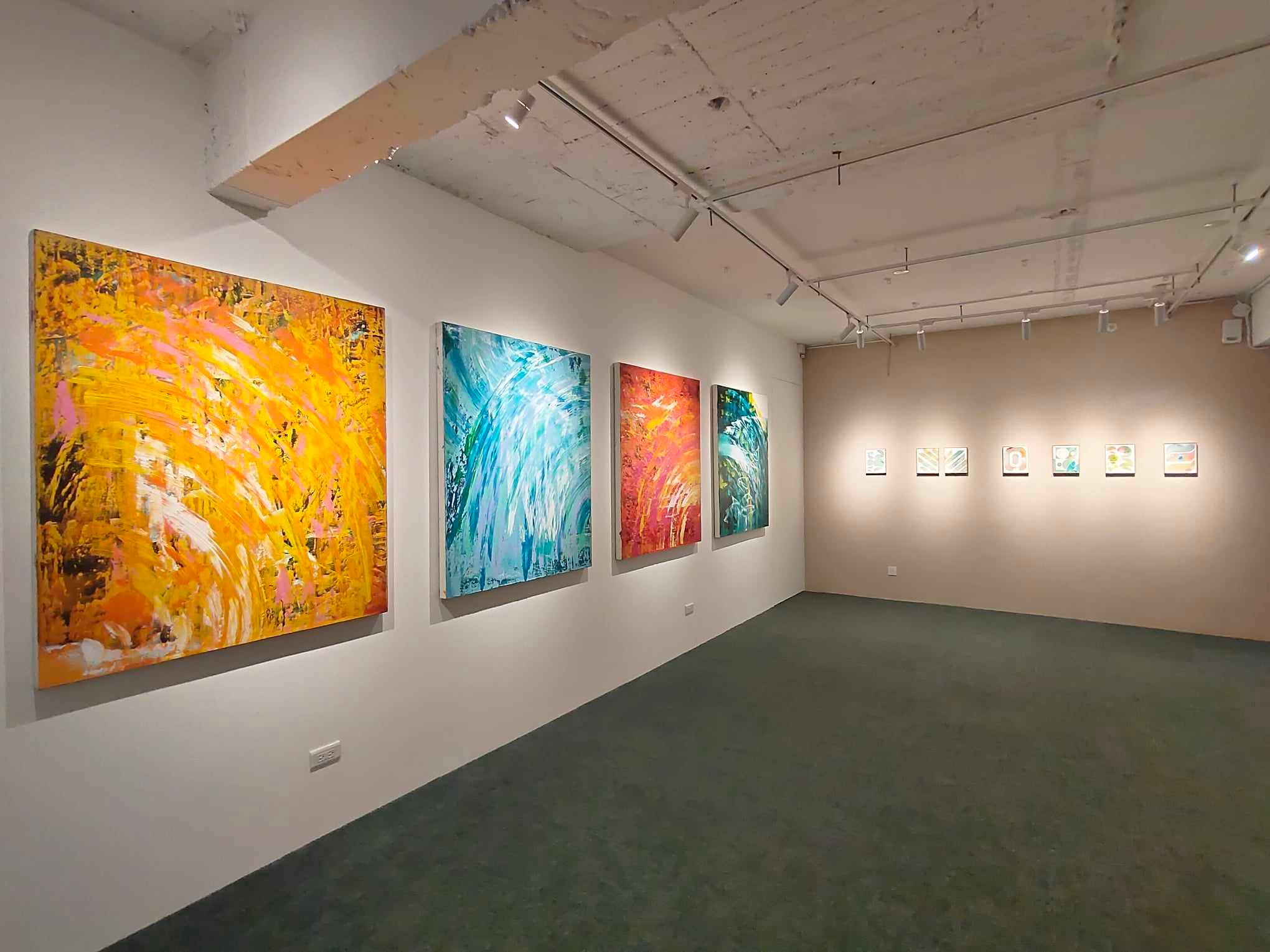
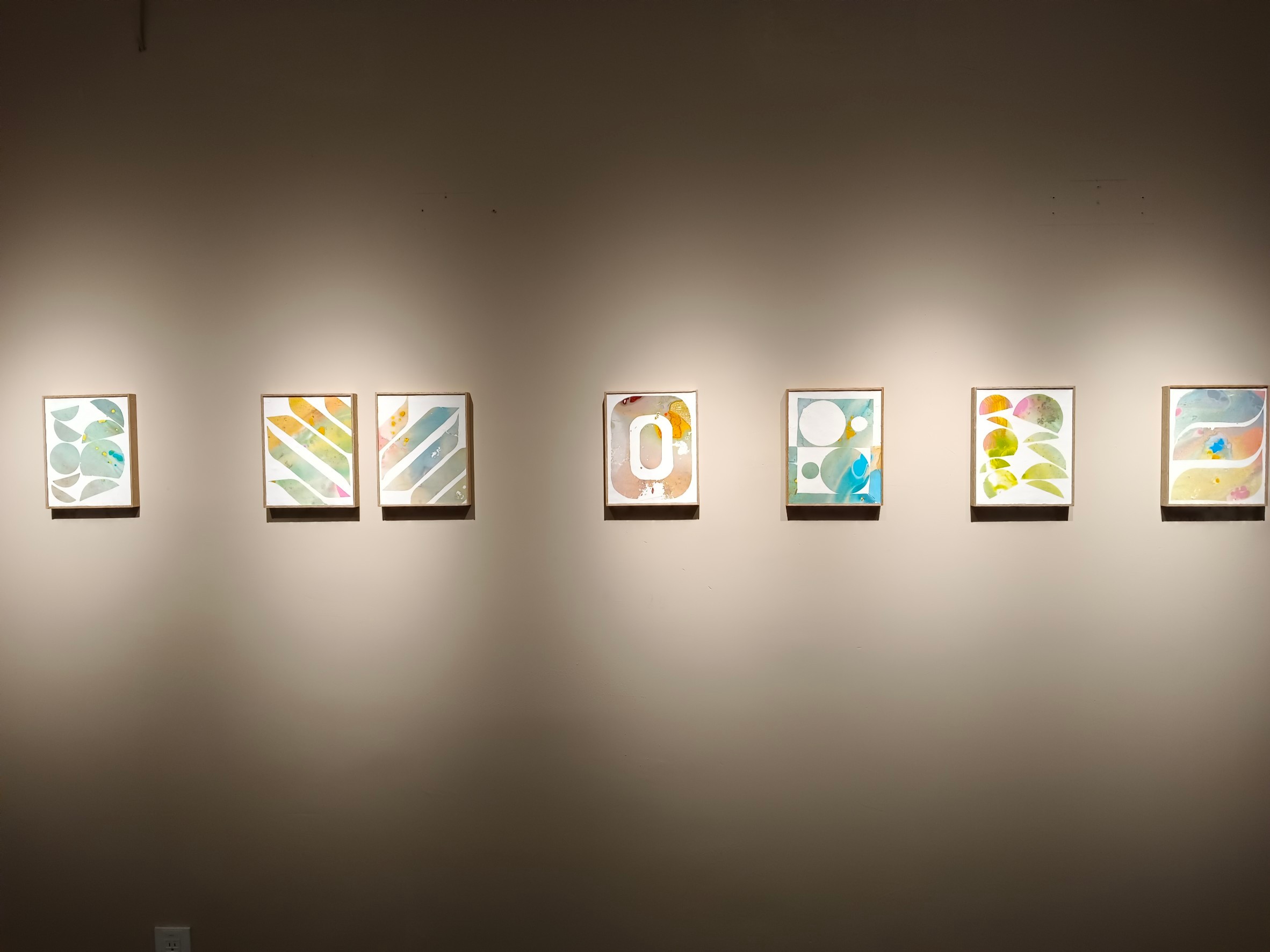
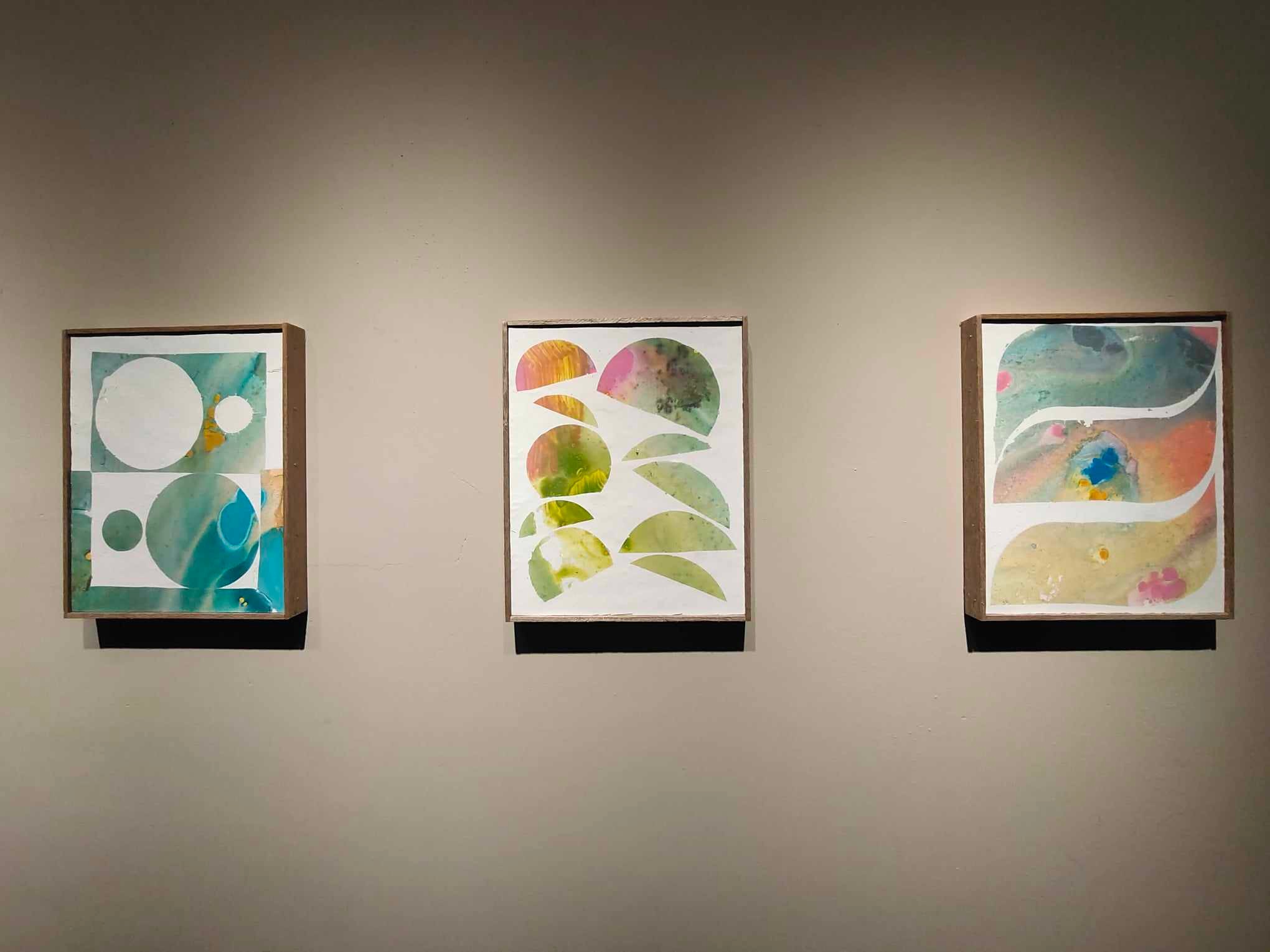
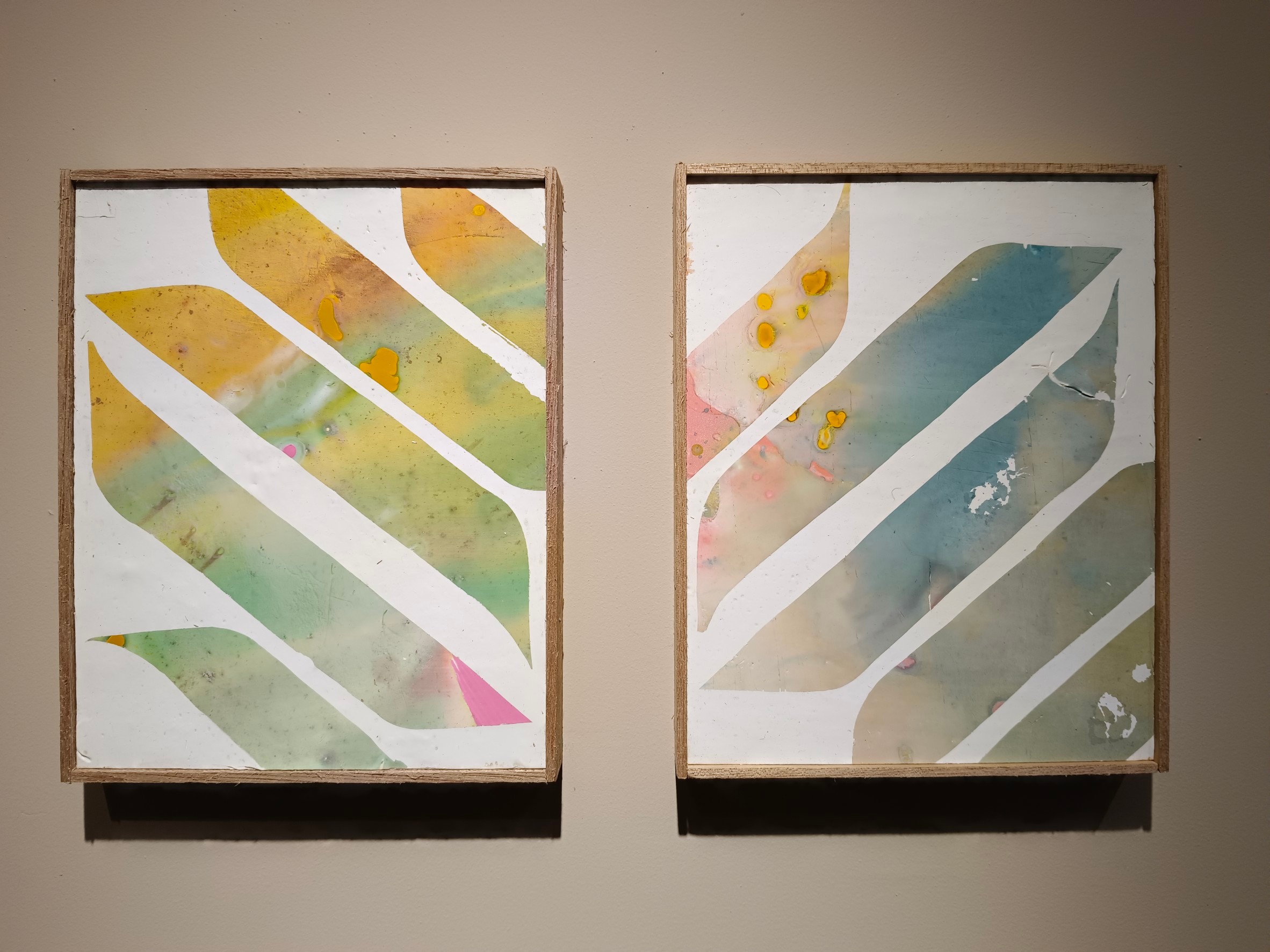
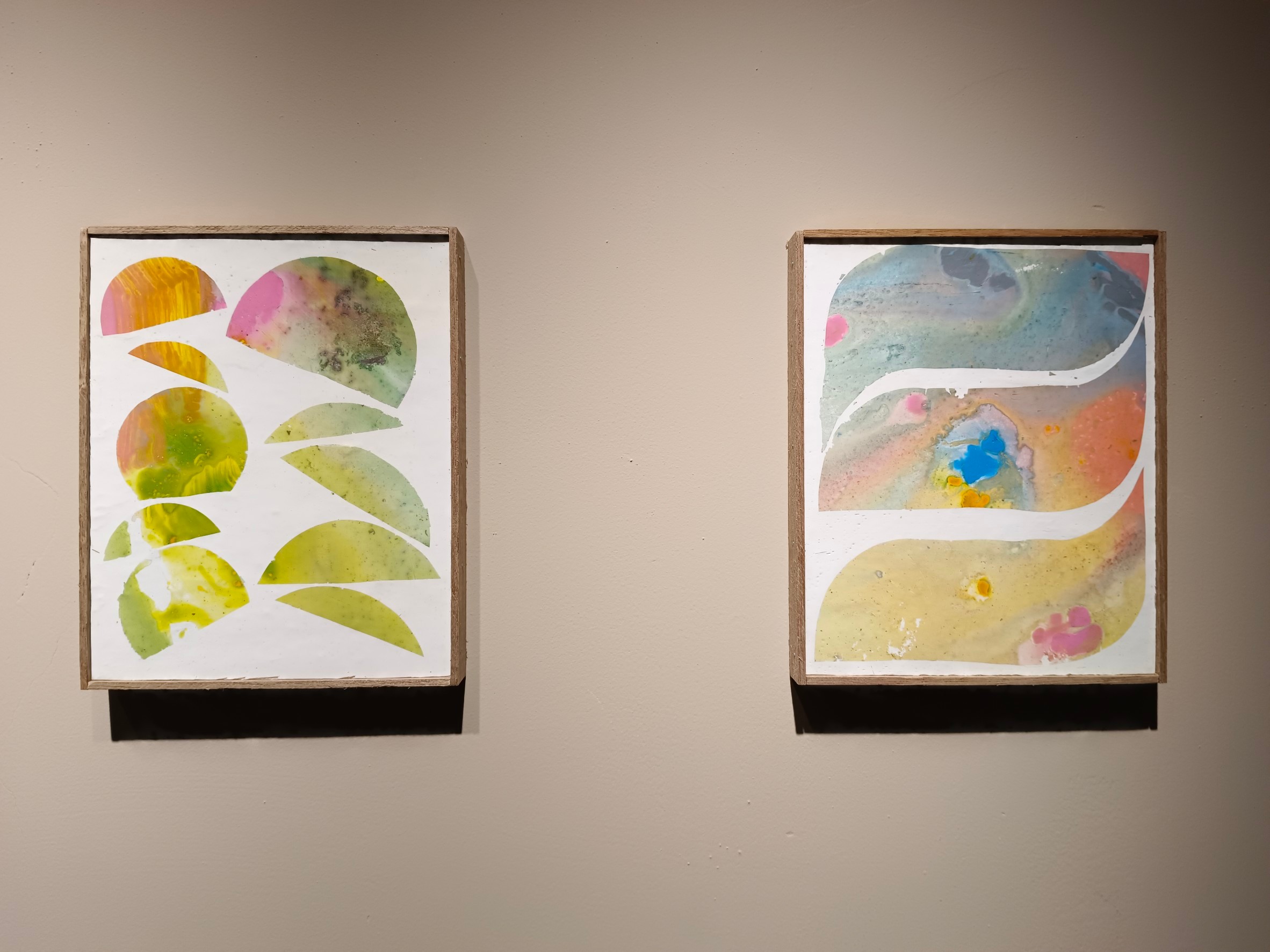
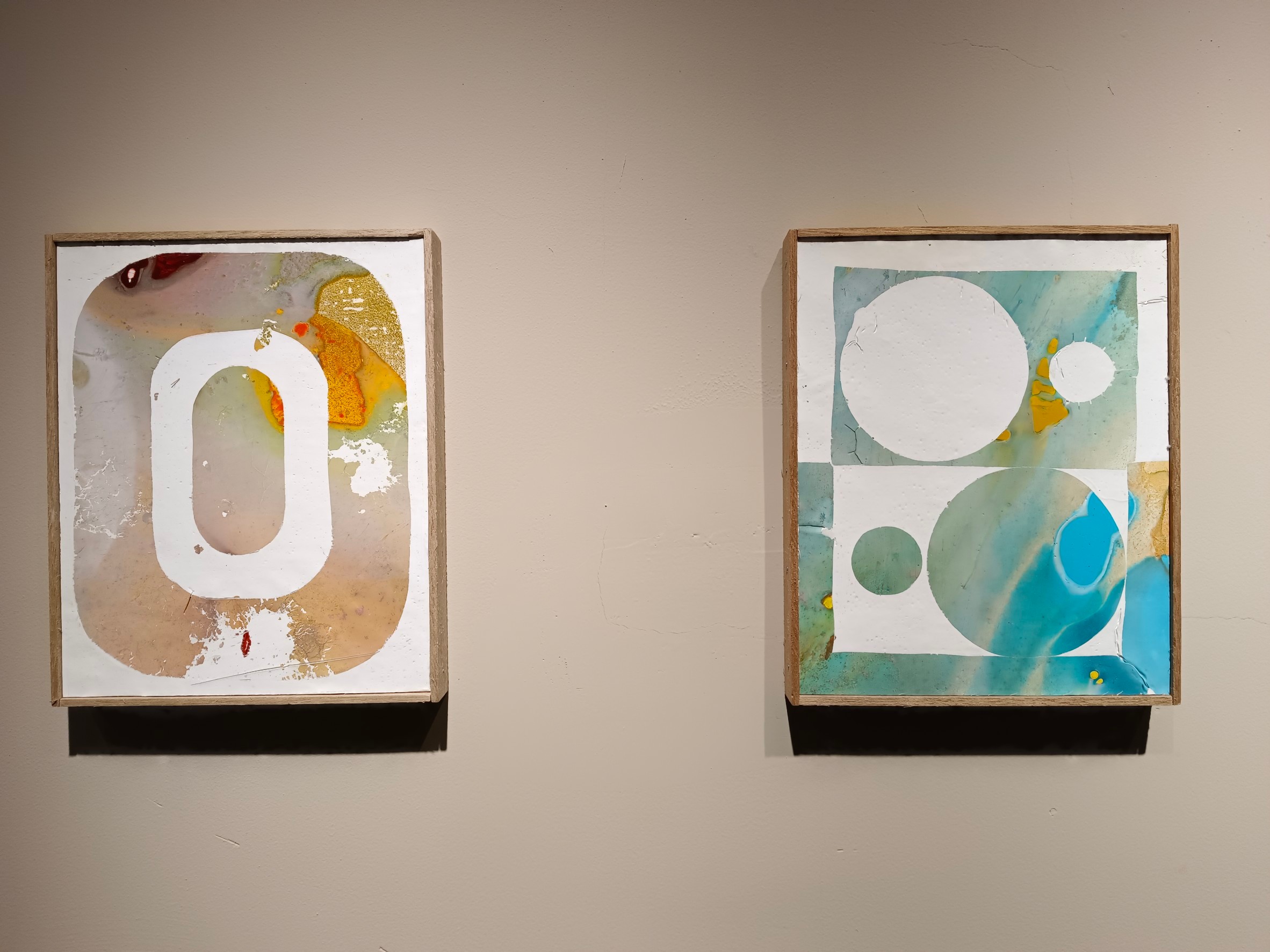

Landscape is a mirror of the mind.
Through scenery, meaning is evoked; through environments, inner states are revealed.
From dawn to night, from fragrance to light, shifting illuminations unfold like a musical composition resonating within the heart.
The works presented in this exhibition move from calligraphic gesture to abstraction, and further into geometric form and sculptural thinking. Outwardly, they rearticulate natural landscapes; inwardly, they reflect emotional landscapes shaped by social observation. Together, they construct a multilayered terrain of perception.
Erik de Bree’s practice centers on painting as an action and a process. Over the past fifteen years, each of his series has been driven by curiosity toward materials and their expressive potential. His studio functions as a laboratory, where materials and ideas are continually tested, allowing the process itself to guide the work toward its final form. The completed works are not predetermined grand statements, but rather the outcome of an open-ended, inquisitive approach that embraces uncertainty and new possibilities. Ultimately, de Bree seeks to uncover new visual languages hidden within the everyday materials that surround us.
Li Su-jen has long been dedicated to aesthetic education, observing how society perceives beauty and how aesthetic systems are shaped by social structures. Through painting and small-scale sculptures, she portrays diverse facets of society, forming a cultural landscape centered on humanity—one that engages with social issues while maintaining a deep sense of care and reflection.
Lan Ju-yueh’s classical ink paintings depict flowers, birds, and animals to construct miniature, harmonious worlds. Each image presents a self-contained society, inviting viewers into dreamlike, intricately woven scenes that echo the poetic sensibility of traditional visual culture.
Trained in fine art yet having pursued a career in advertising and construction, Hsieh Yi-chang returned to painting after stepping away from a demanding professional life. Through vast landscapes and contemplative study of Buddhist scriptures, his works explore the integration of humanity and nature. While appearing as traditional landscapes, his paintings also carry abstract dimensions—deconstructing form, returning to emptiness, and suggesting a profound human presence within the cosmos. Within this exhibition, figuration and abstraction coexist in a single world, resembling a multiversal loop and presenting visions of possible future worlds.
