Pascal van der Graaf

Awards
2025 Second Prize, Three-Dimensional Art, New Taipei City Art Exhibition, Taiwan
2020 Senior Professionals recommended by Ministry of Culture, Taiwan
2007 Royal Award for Modern Painting, The Netherlands
Stipend
Stipend Embassy of the Kingdom of the Netherlands in Cairo, Egypt, 2010
Stipend Fonds BKVB, The Netherlands, 2003, 2004, 2008
Collections (selection)
Museum Belvédère (NL), Friesland Bank (NL), GasTerra (NL), Achmea (NL), University Medical Center Groningen (NL), Pennsylvania State University (US), Netherlands Consulate General in Hong Kong and Macao


%2C%2053x53x9%20cmF.jpeg)
%2C%2053x53x9%20cms1.jpeg)
%2C%2053x53x9%20cms2.jpeg)
%2C%2053x53x9%20cmF.jpeg)
%2C%2053x53x9%20cms1.jpeg)
%2C%2053x53x9%20cm.jpeg)


%2048%20x%2044%20x%2011%2C5%20cm%2005.jpg)
%20%2048%20x%2044%20x%2011%2C5%20cm%20025.jpg)
%2C%2034x32x7%20cm%2C%202025%2C%20Enamel%20and%20cyanoacrylate%20on%20canvas%2C%200.5.jpg)
%2C%2034x32x7%20cm%2C%202025%2C%20Enamel%20and%20cyanoacrylate%20on%20canvas%2C%200.25.jpg)


%20cyanoacrylate%2C%20enamel%20and%20spraypaint%20on%20canvas%2063%20x%2059%20x%209%20cm%2005.jpg)
%20cyanoacrylate%2C%20enamel%20and%20spraypaint%20on%20canvas%2063%20x%2059%20x%209%20cm%20025.jpg)
%2048%20x%2050%20x%2010%20cm%2005.jpg)
48%20x%2050%20x%2010%20cm%20025.jpg)




.75.jpg)


9.25.jpg)


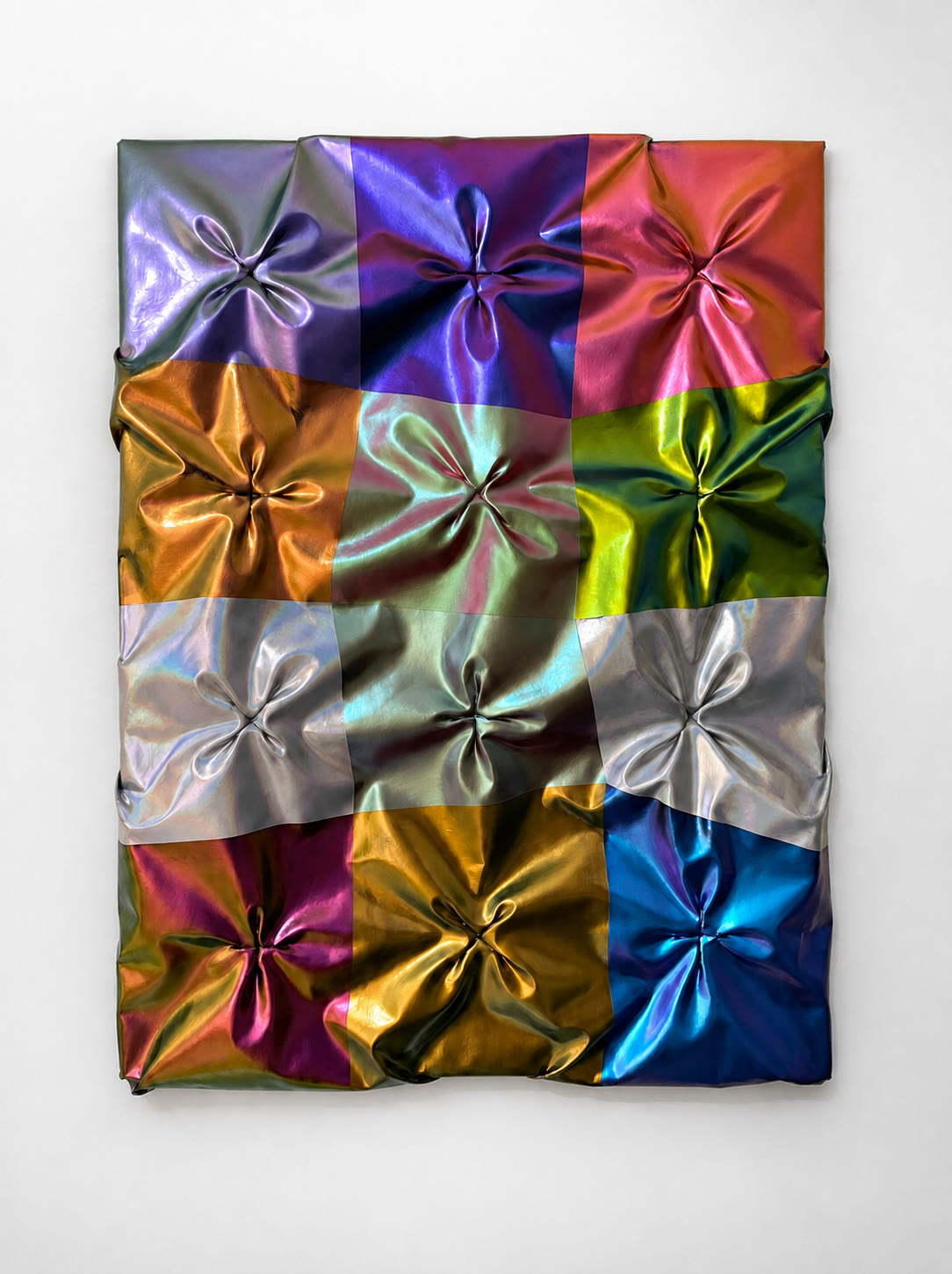


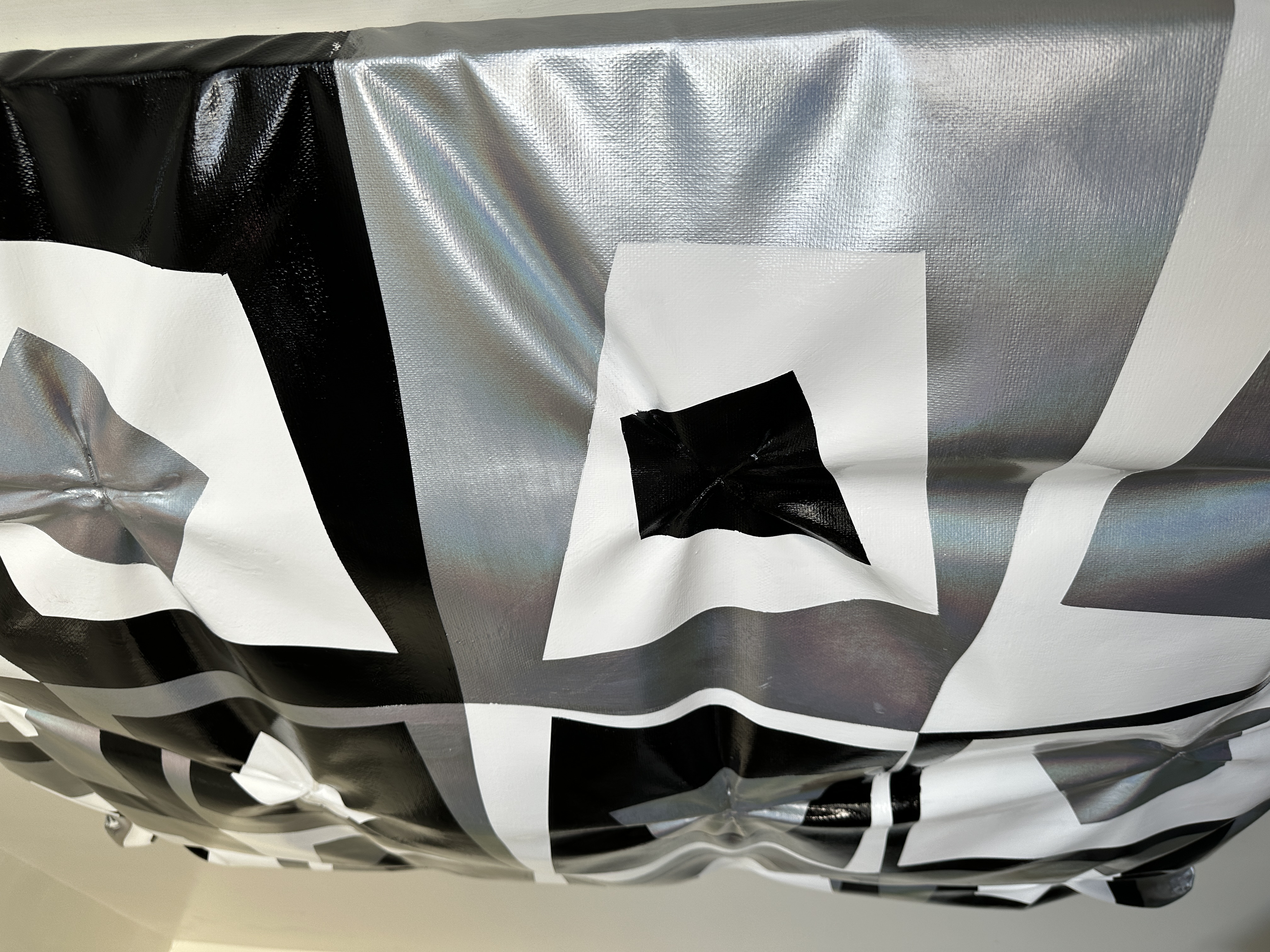


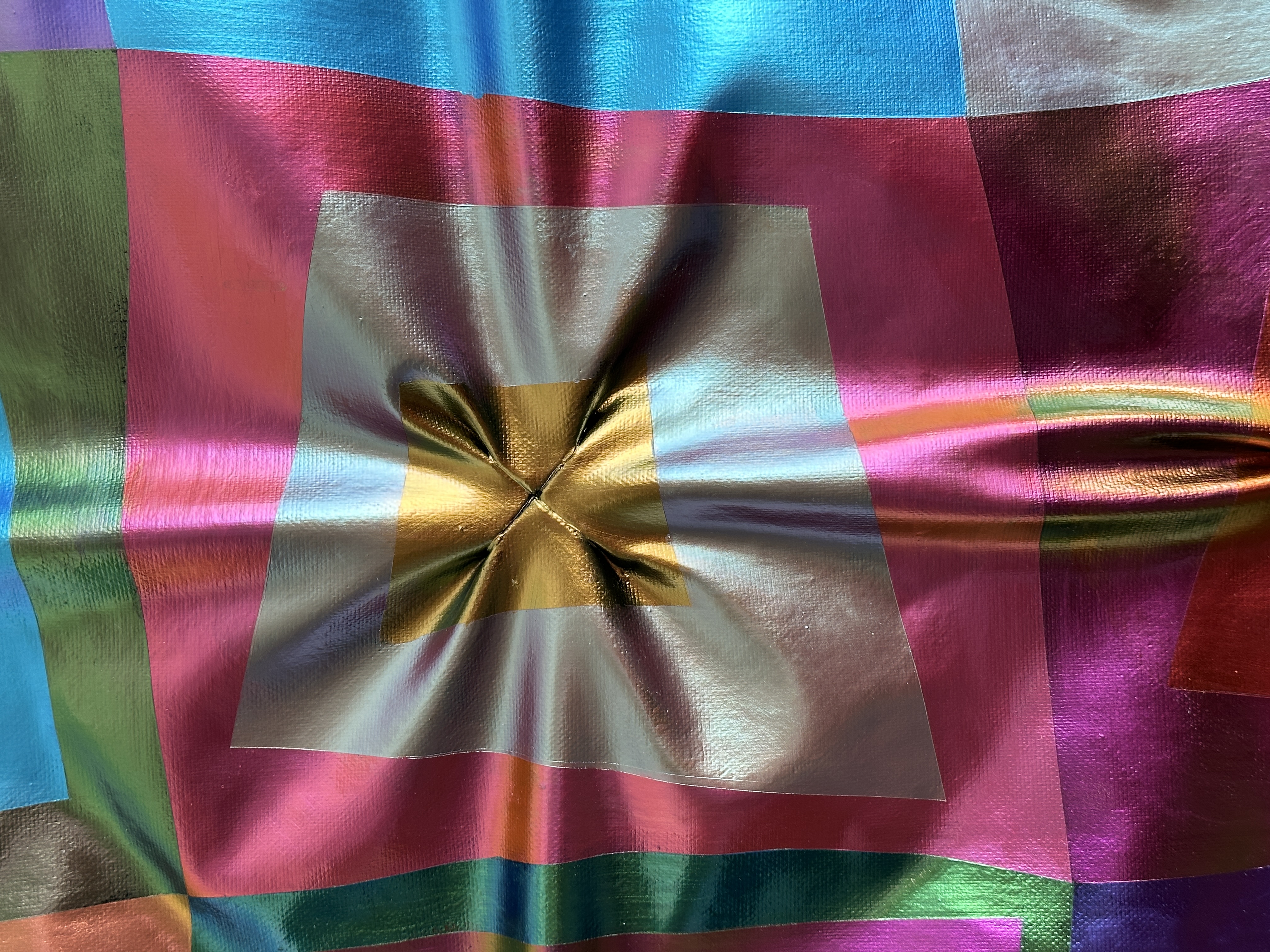
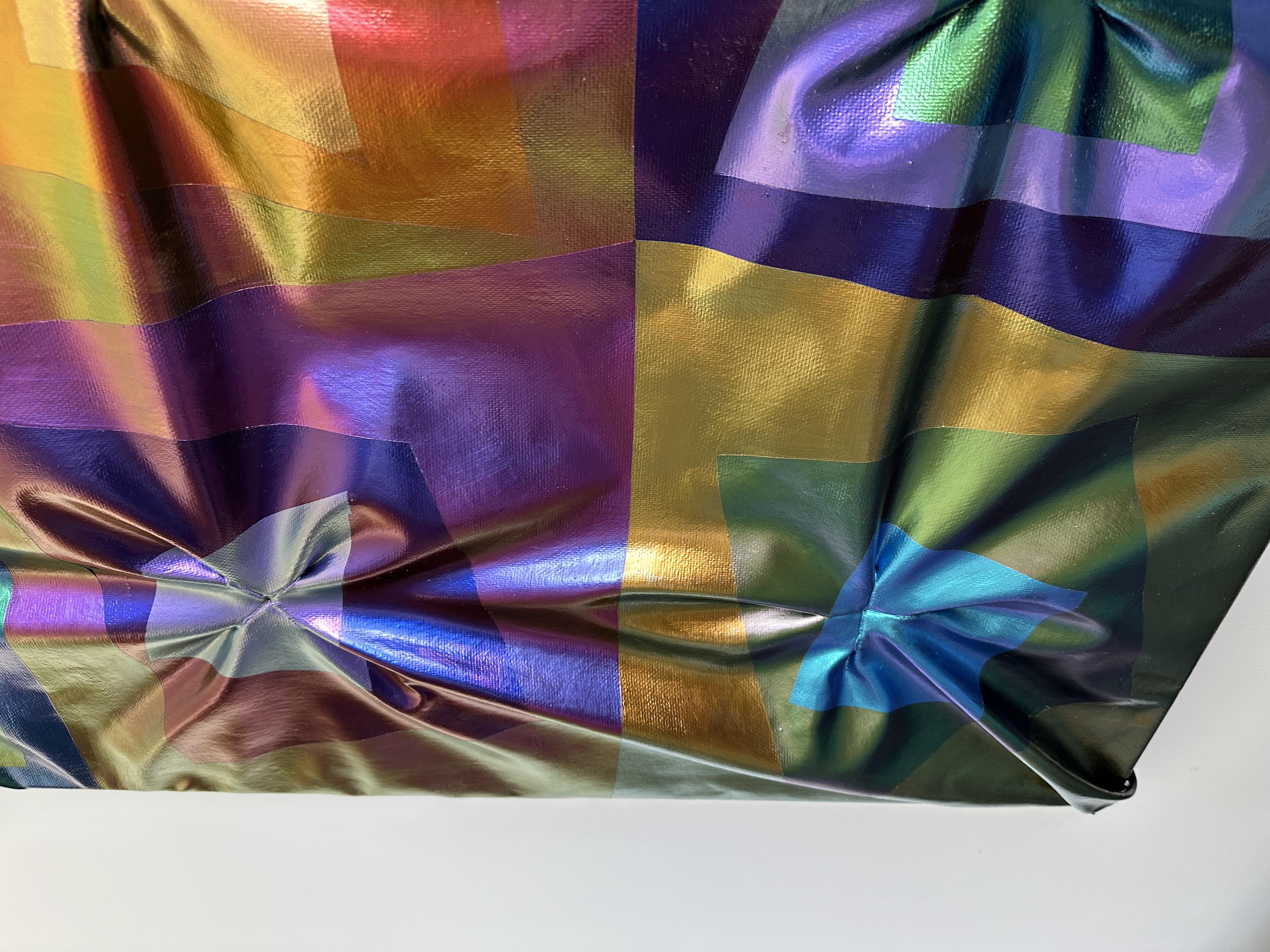




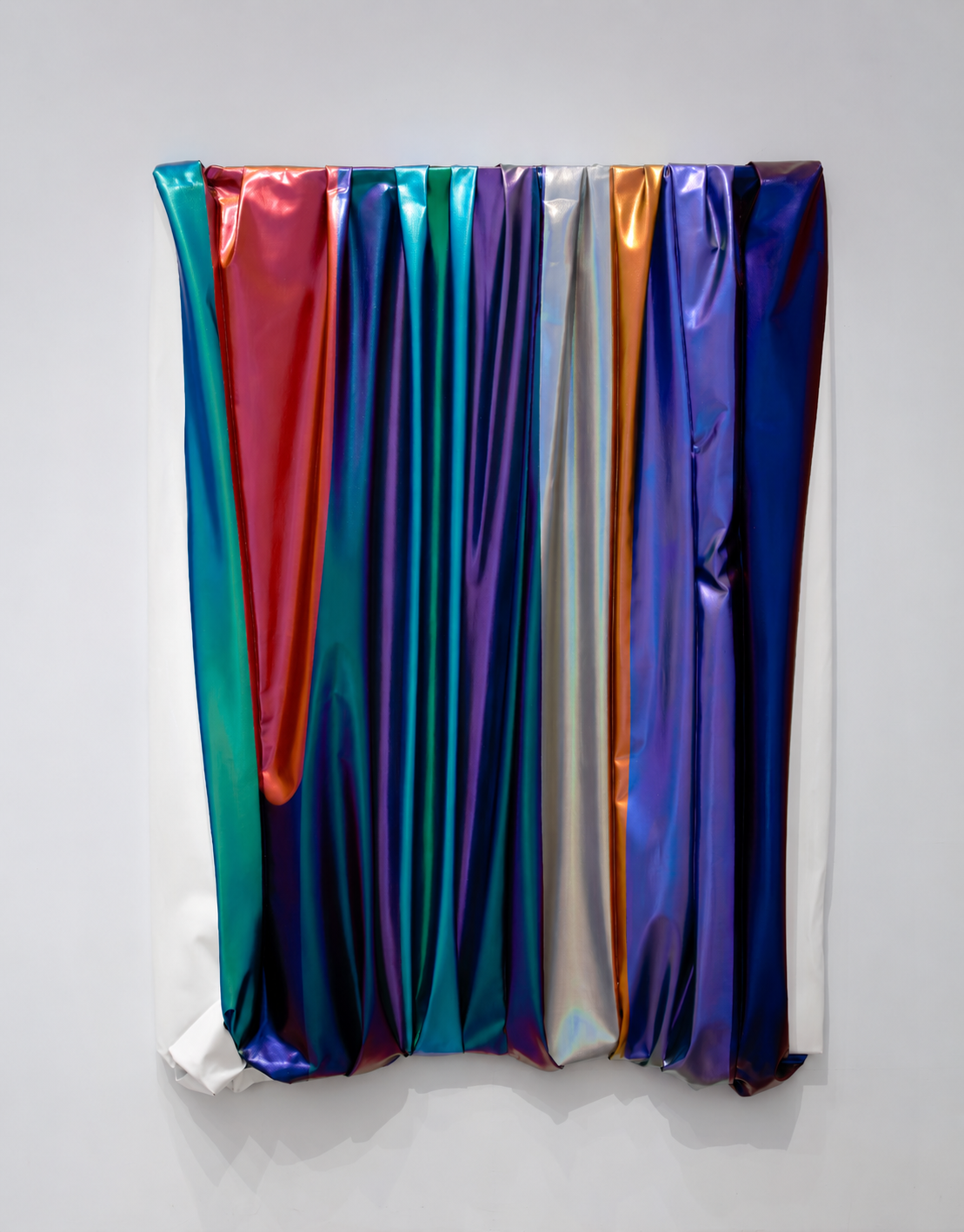


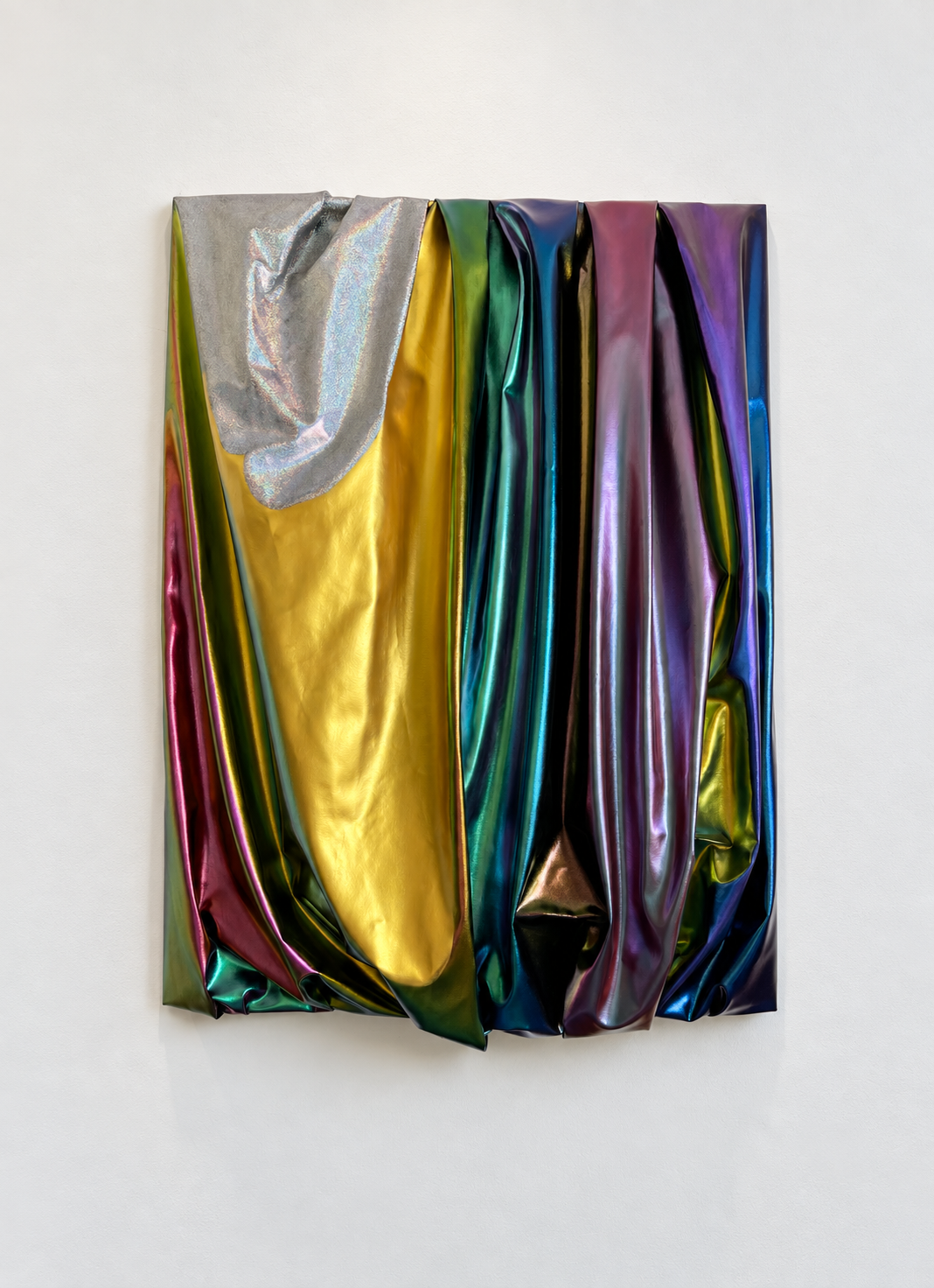
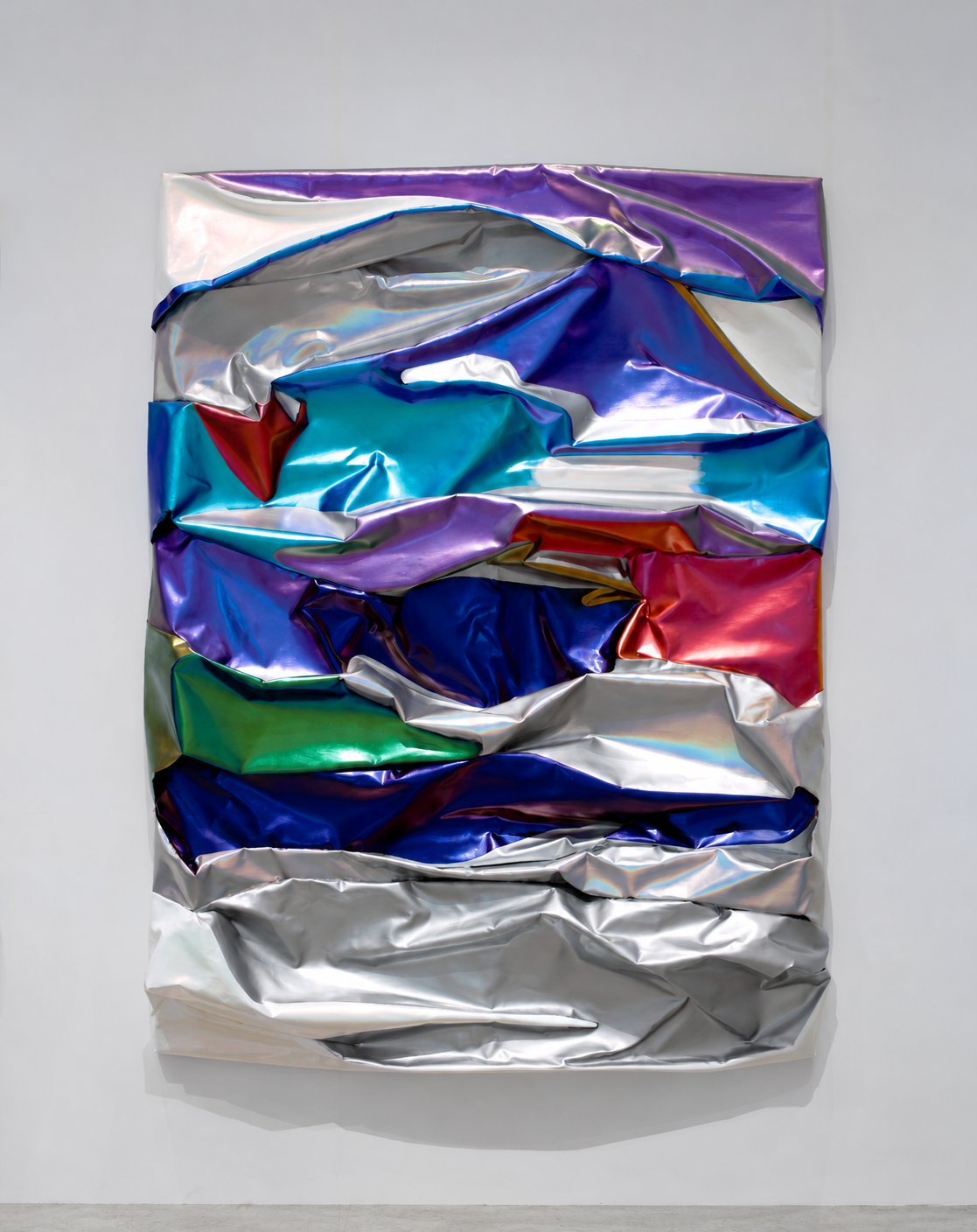
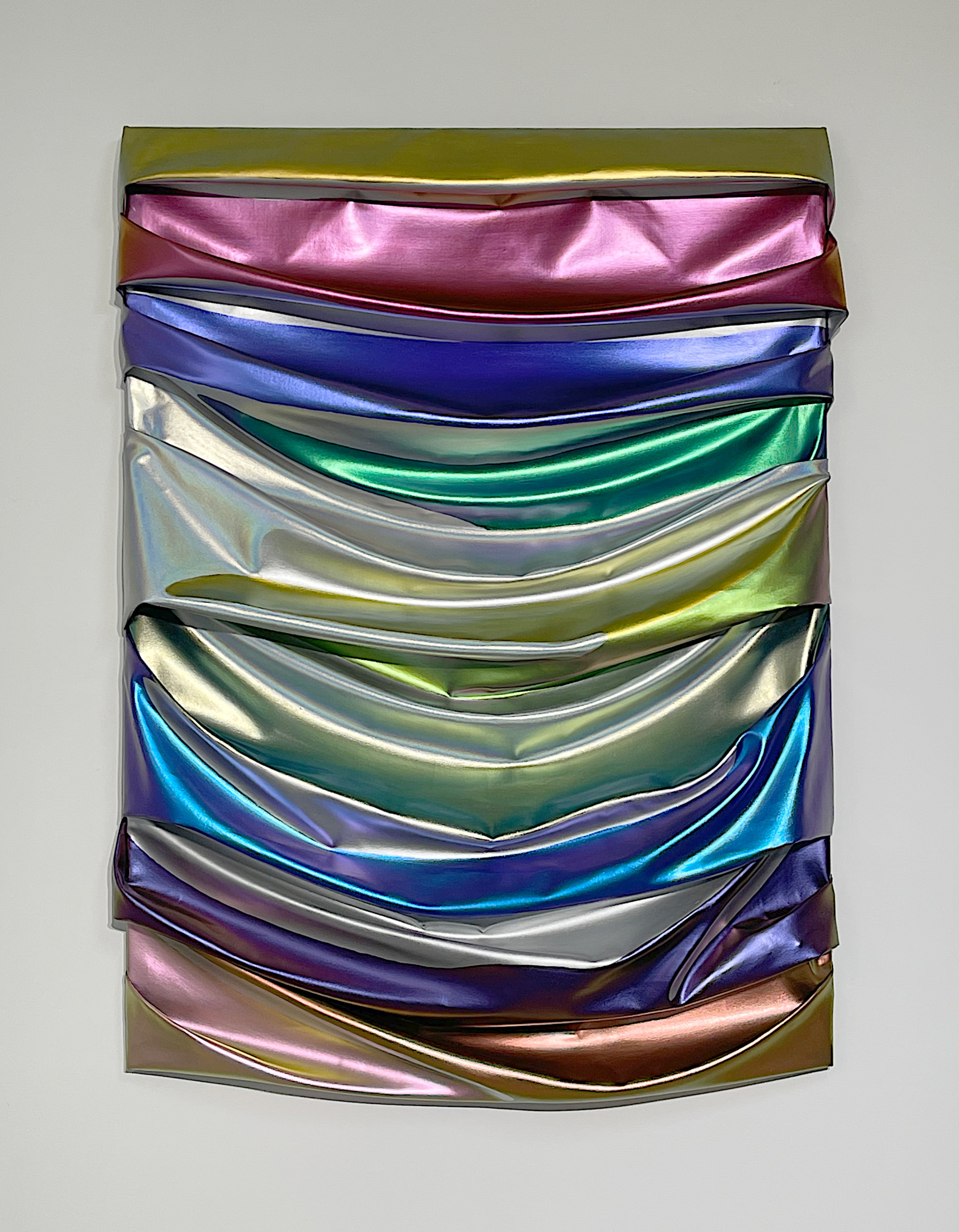
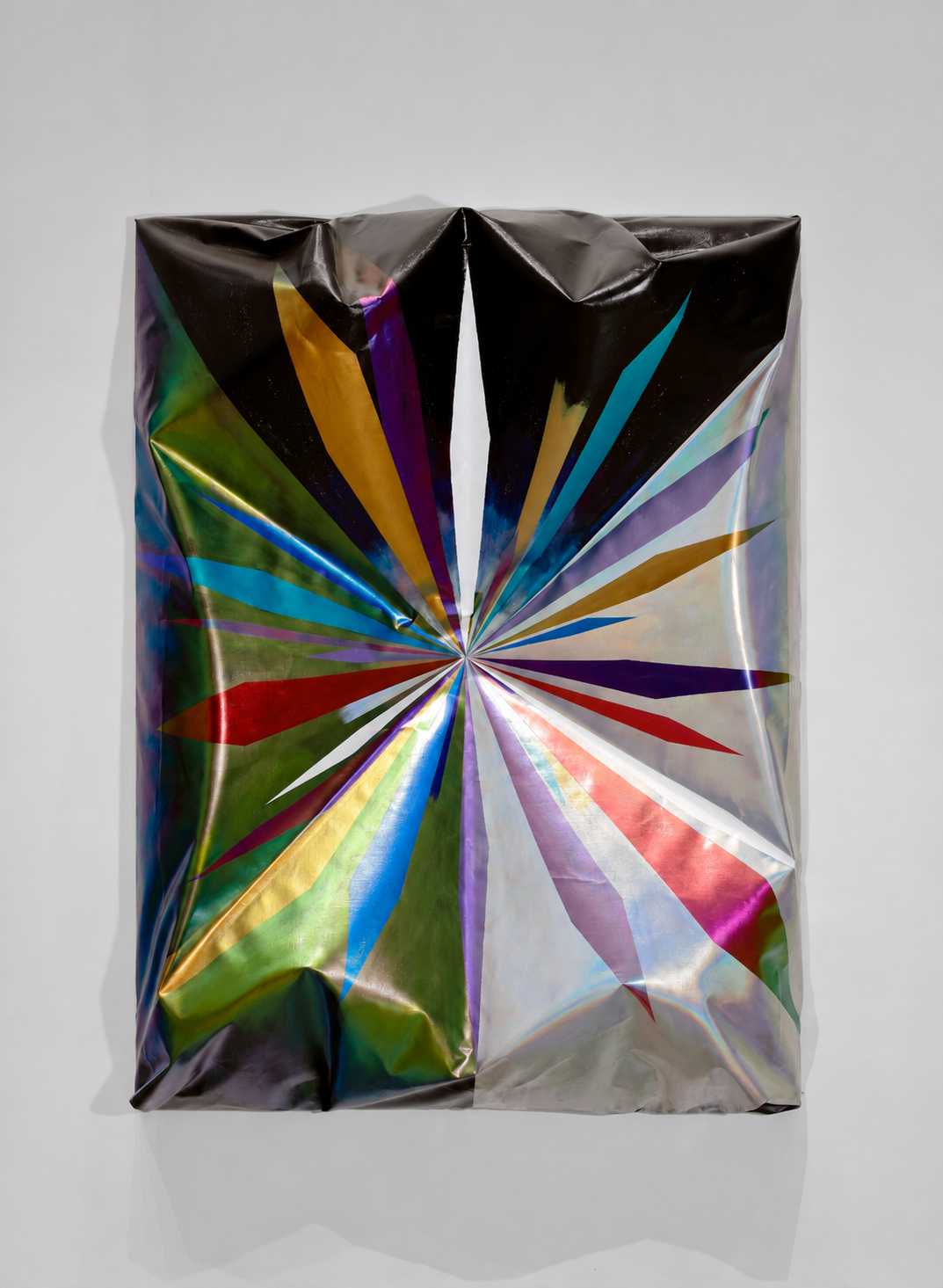


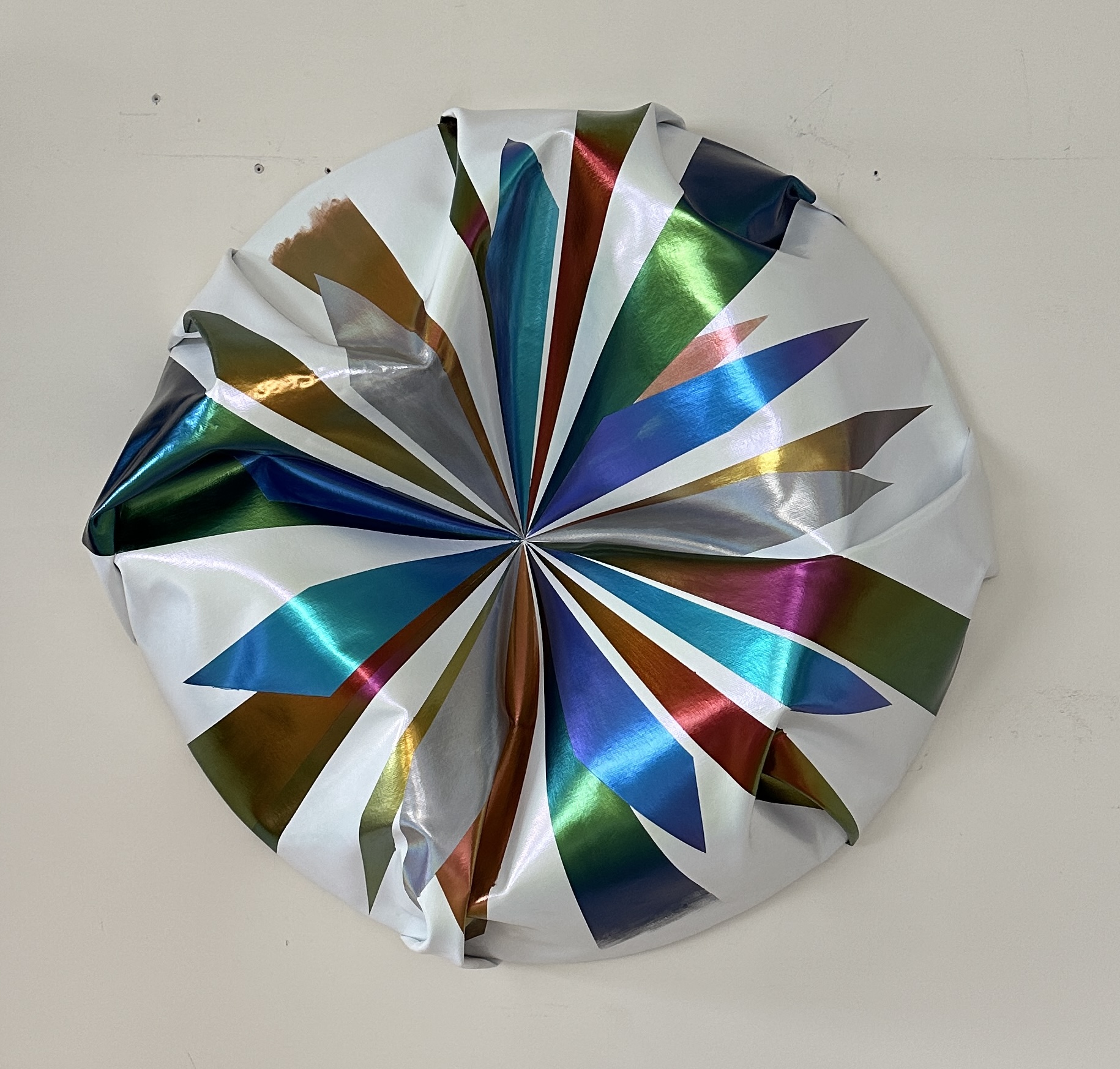


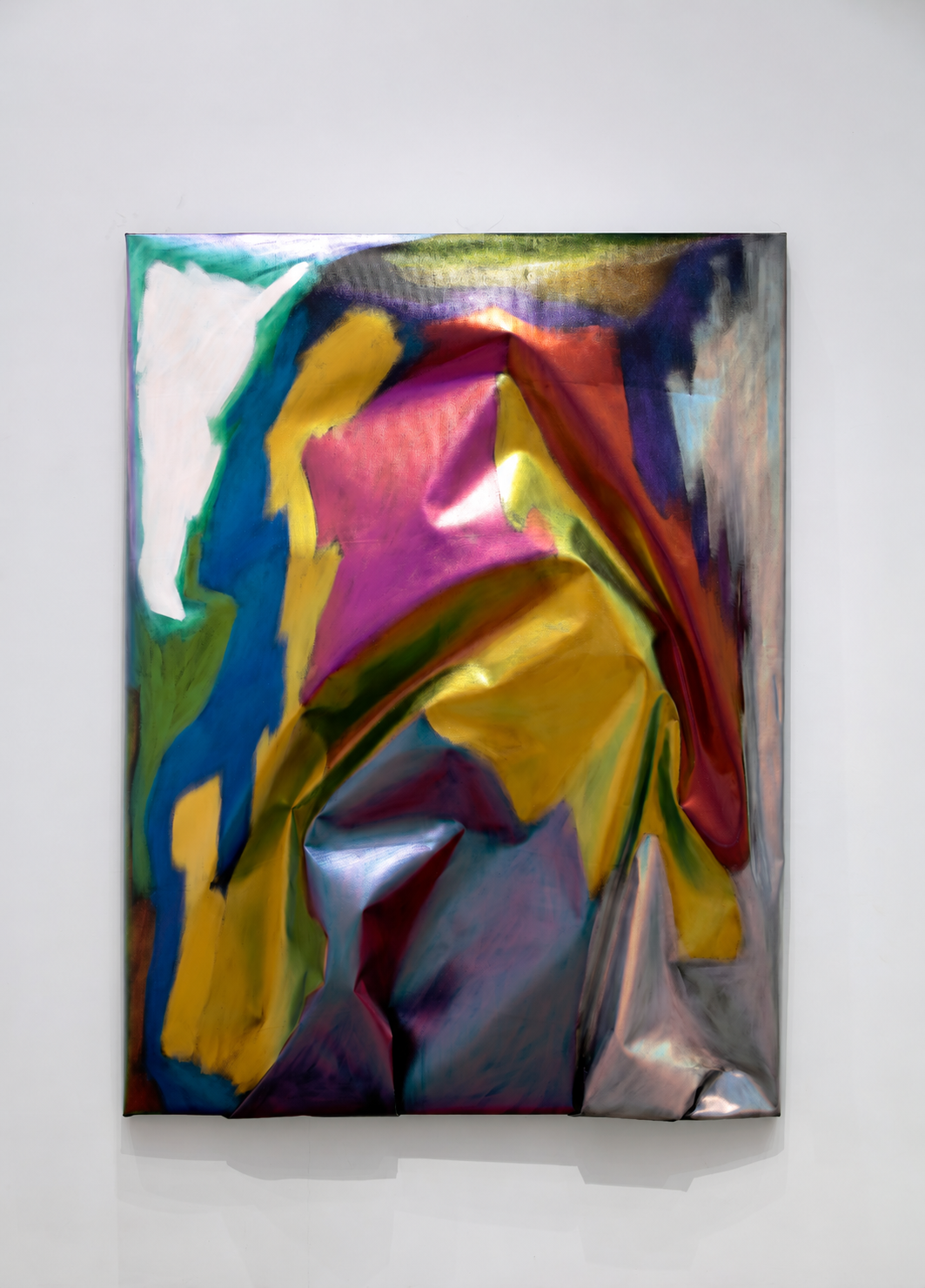
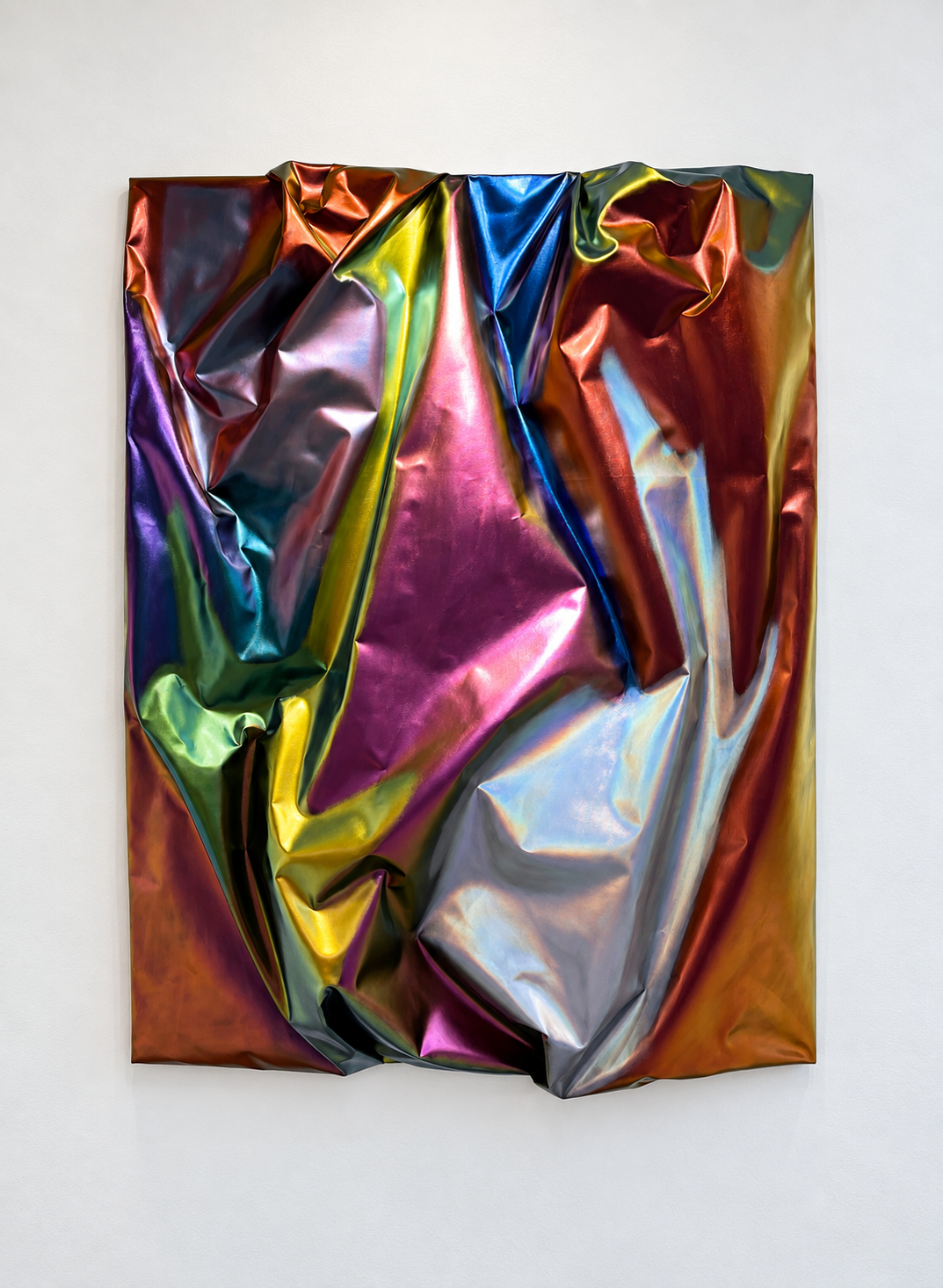
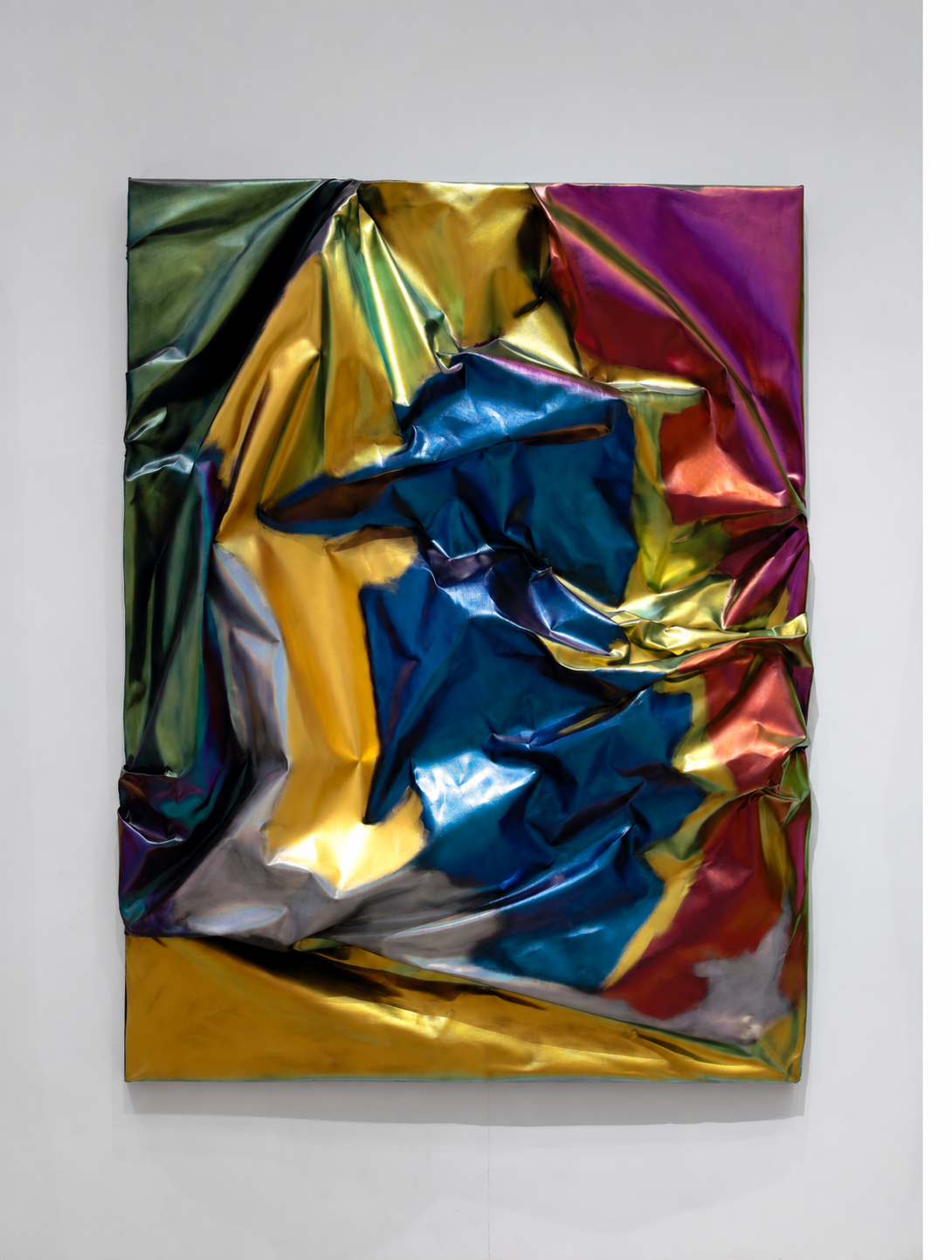


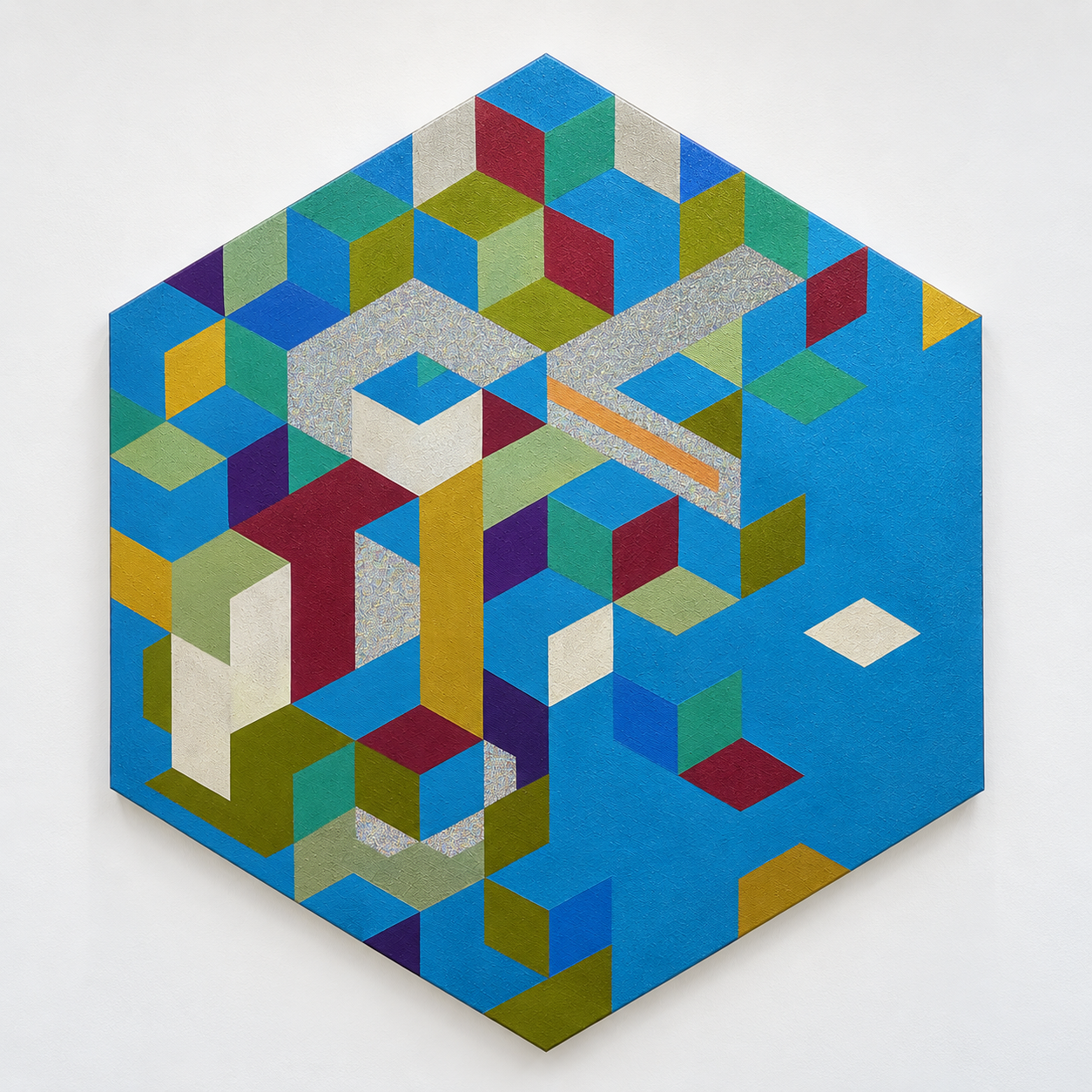
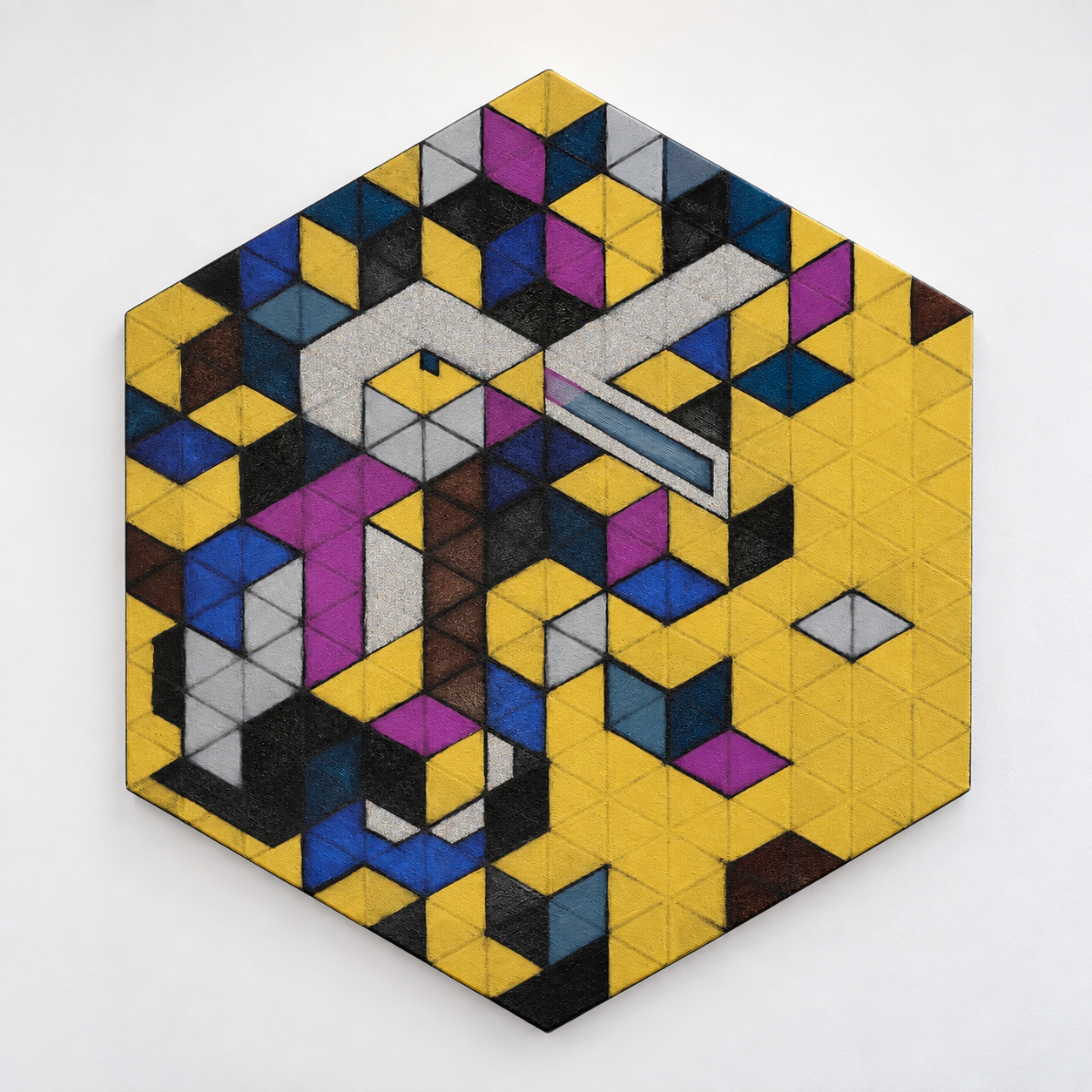
Pascal van der Graaf (b. 1979, Dordrecht, the Netherlands) is a Dutch artist based in Tainan, Taiwan. Trained at Academie Minerva in Groningen, he was awarded the Royal Award for Modern Painting in the Netherlands in 2007. He moved to Taiwan in 2016, where a new environment gradually led his practice in a different direction.
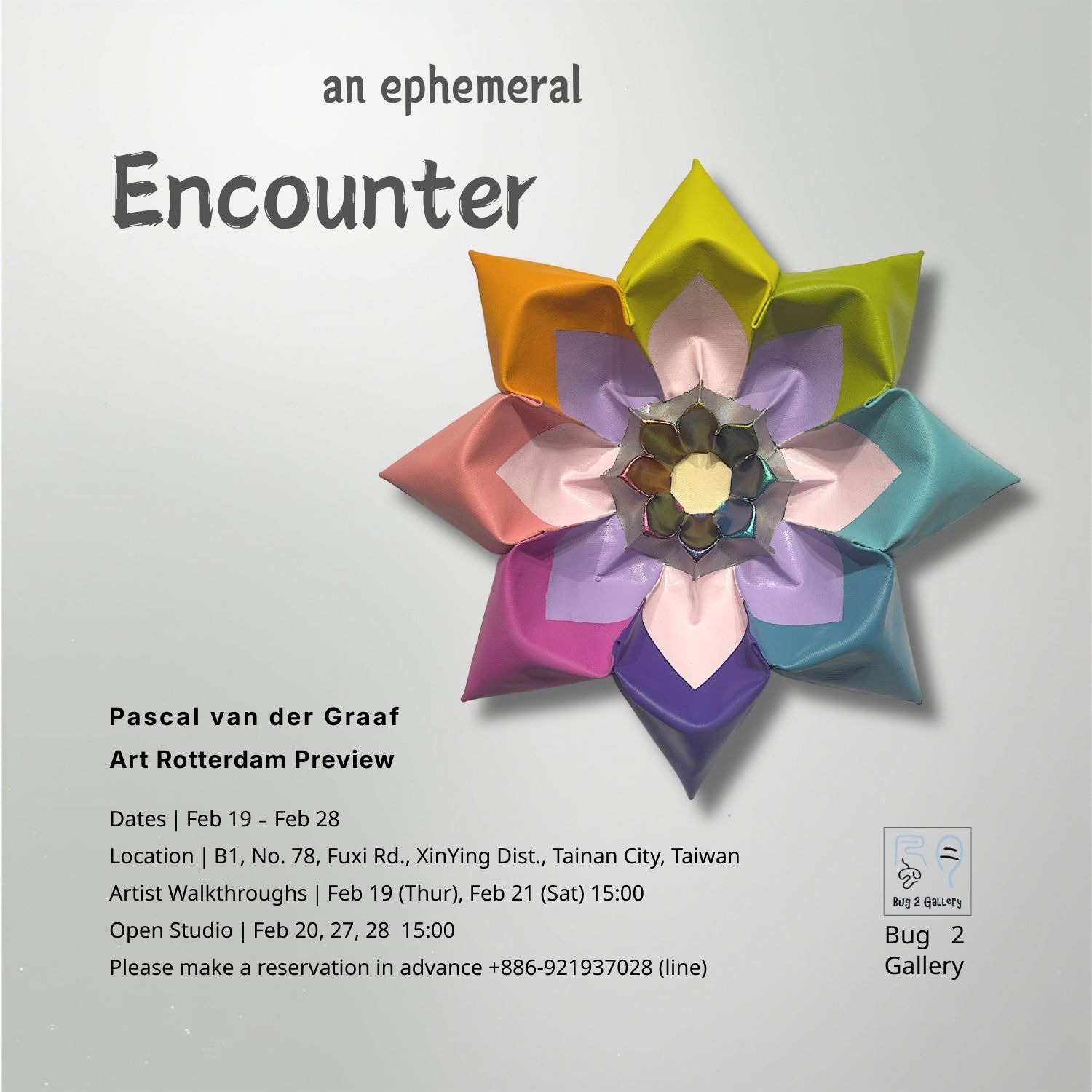
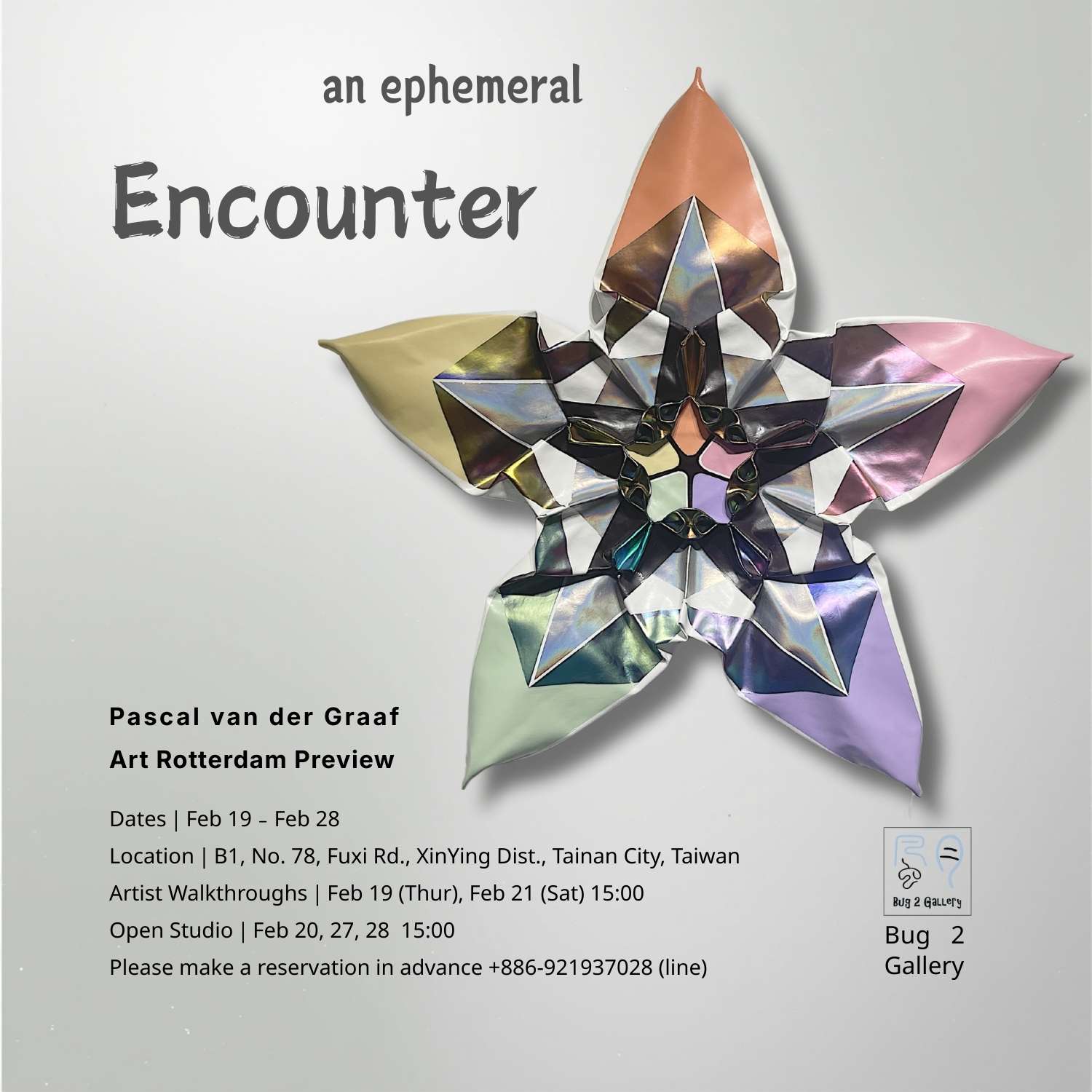
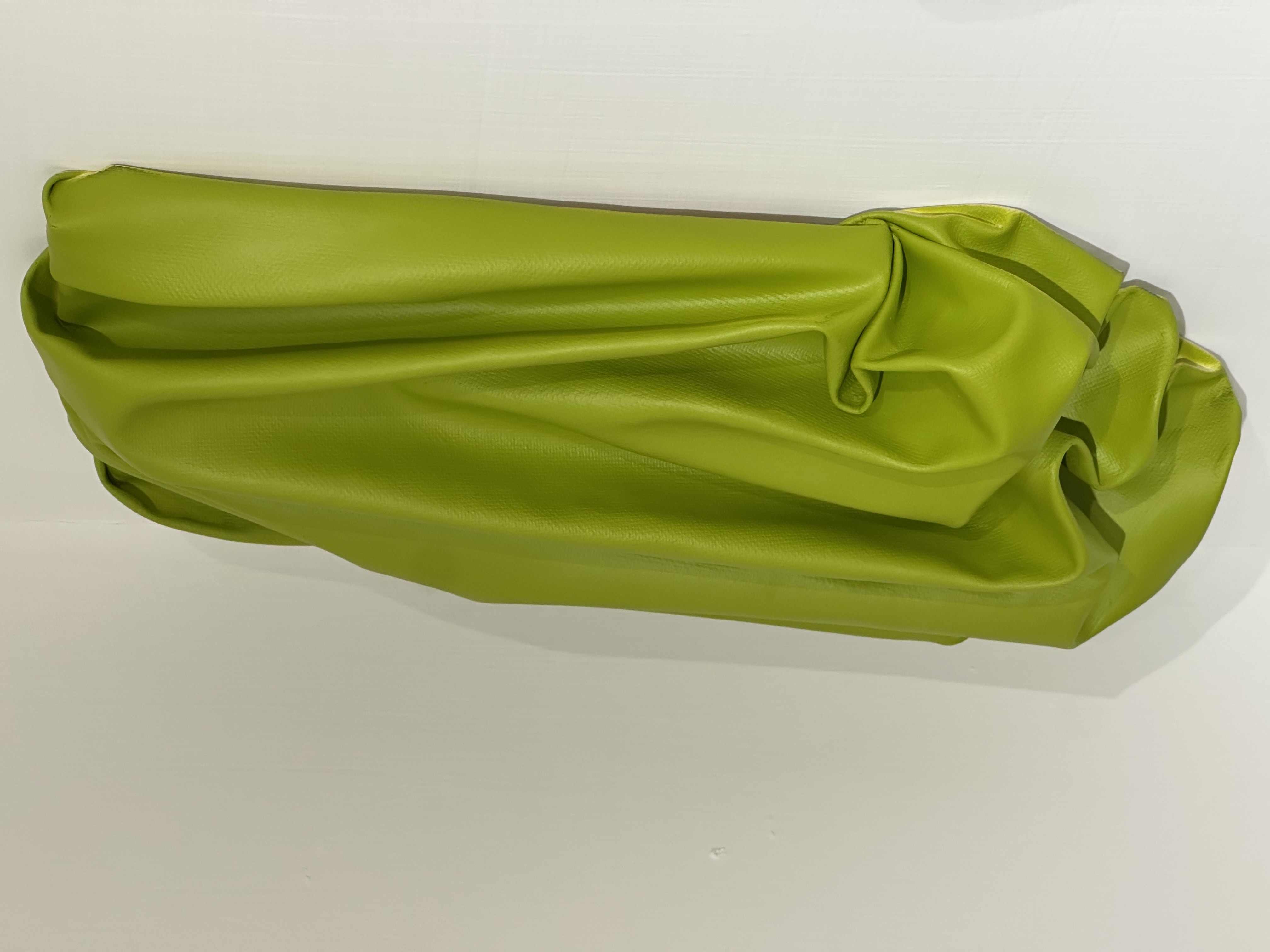
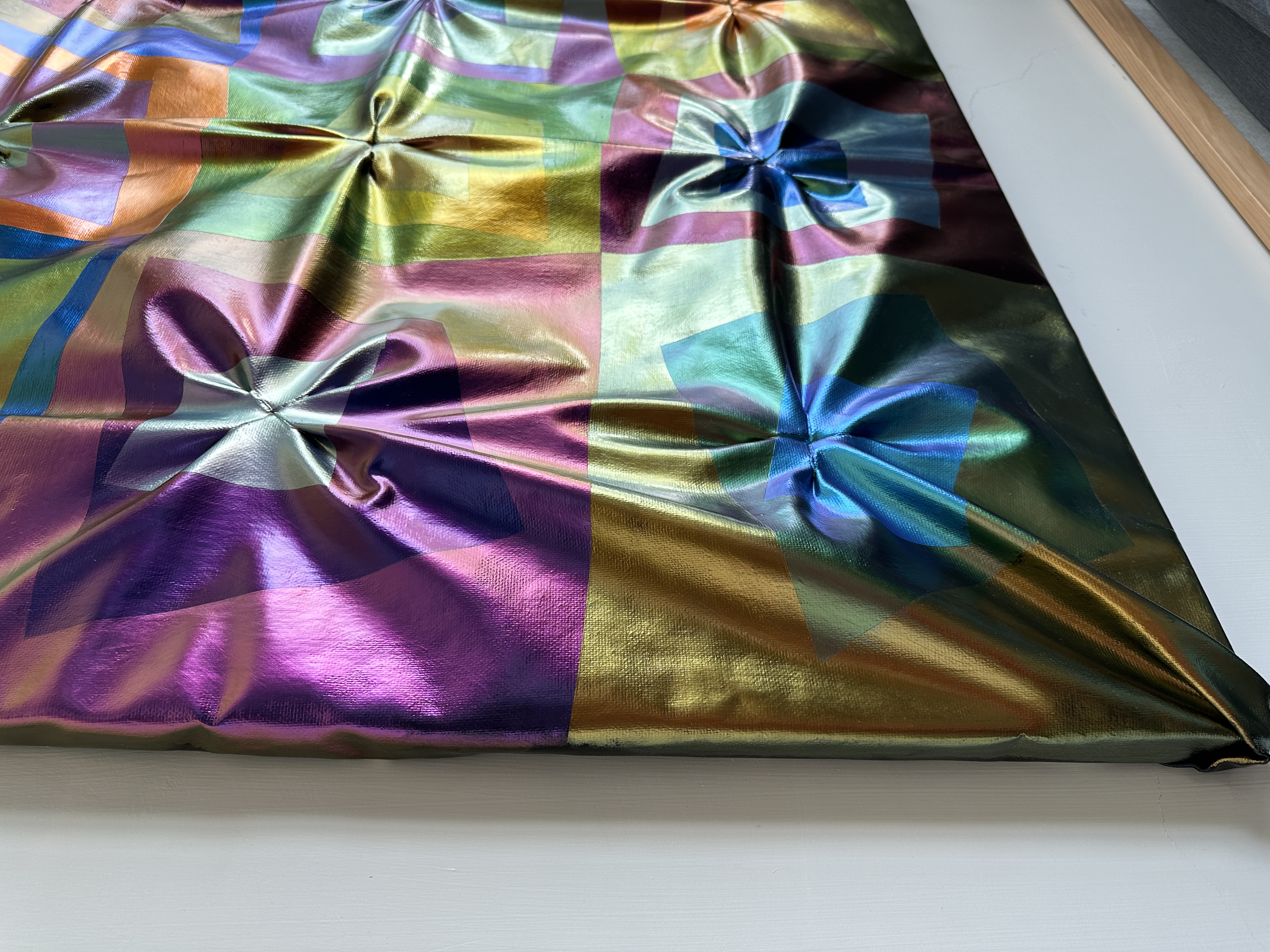
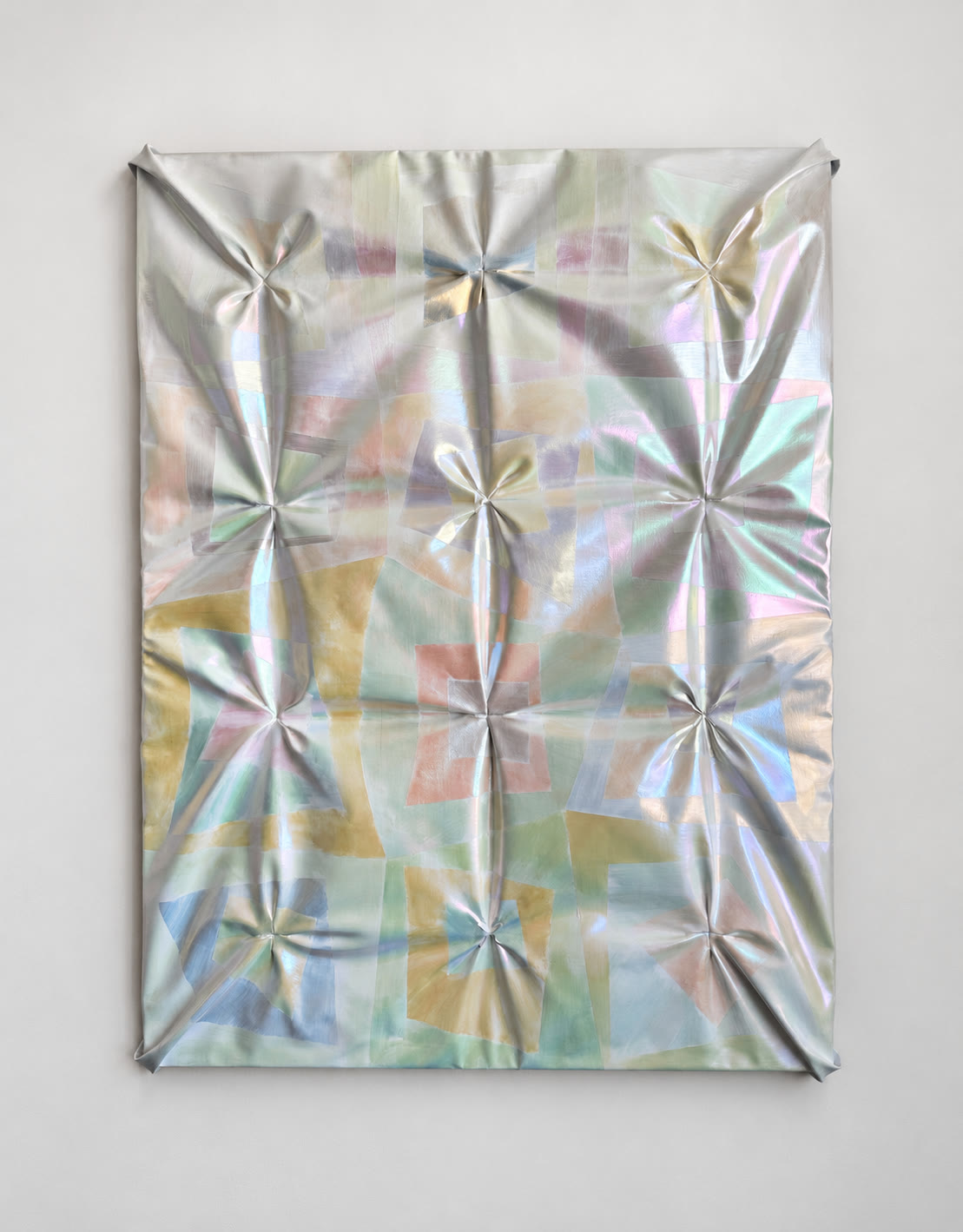
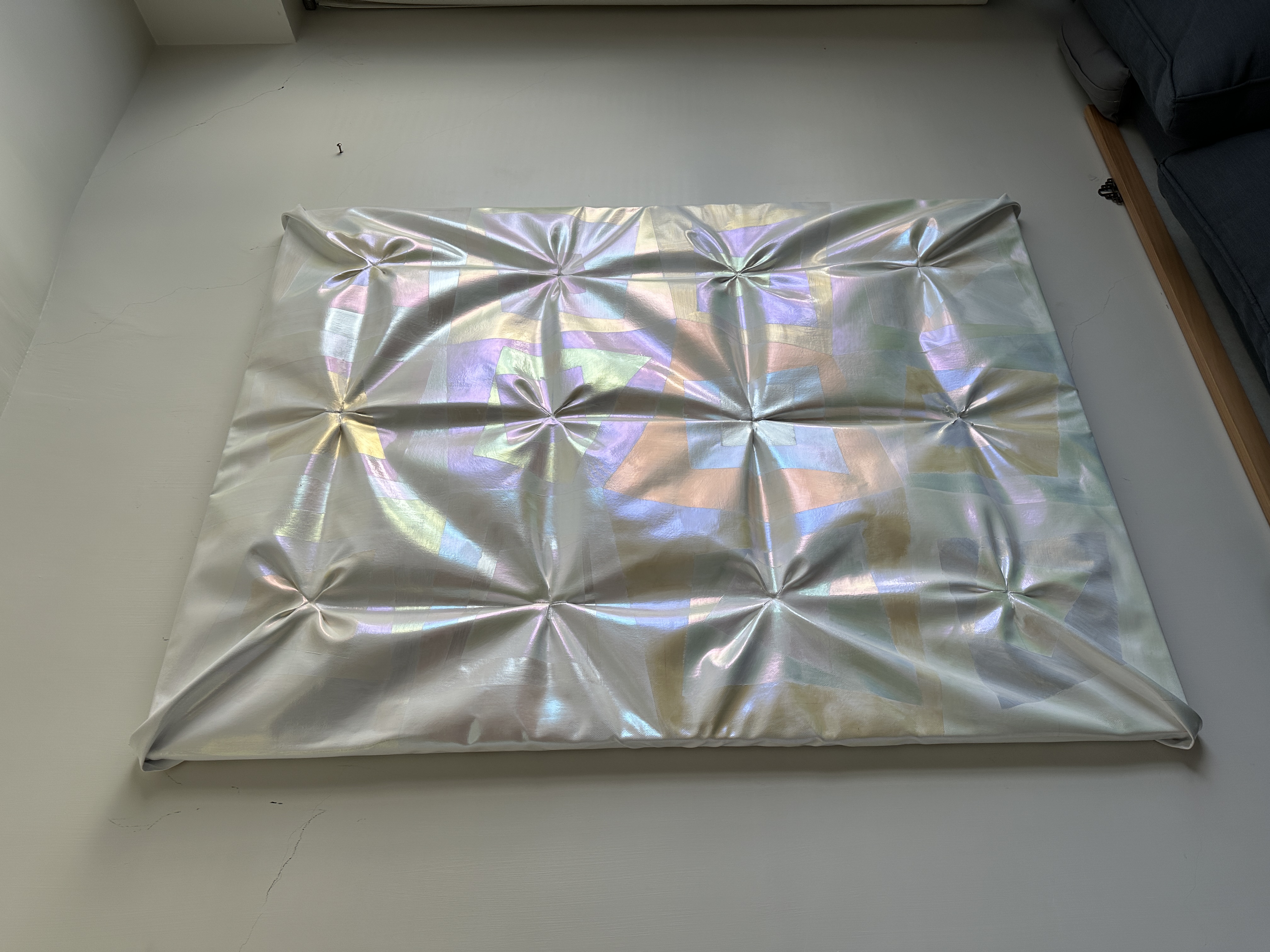
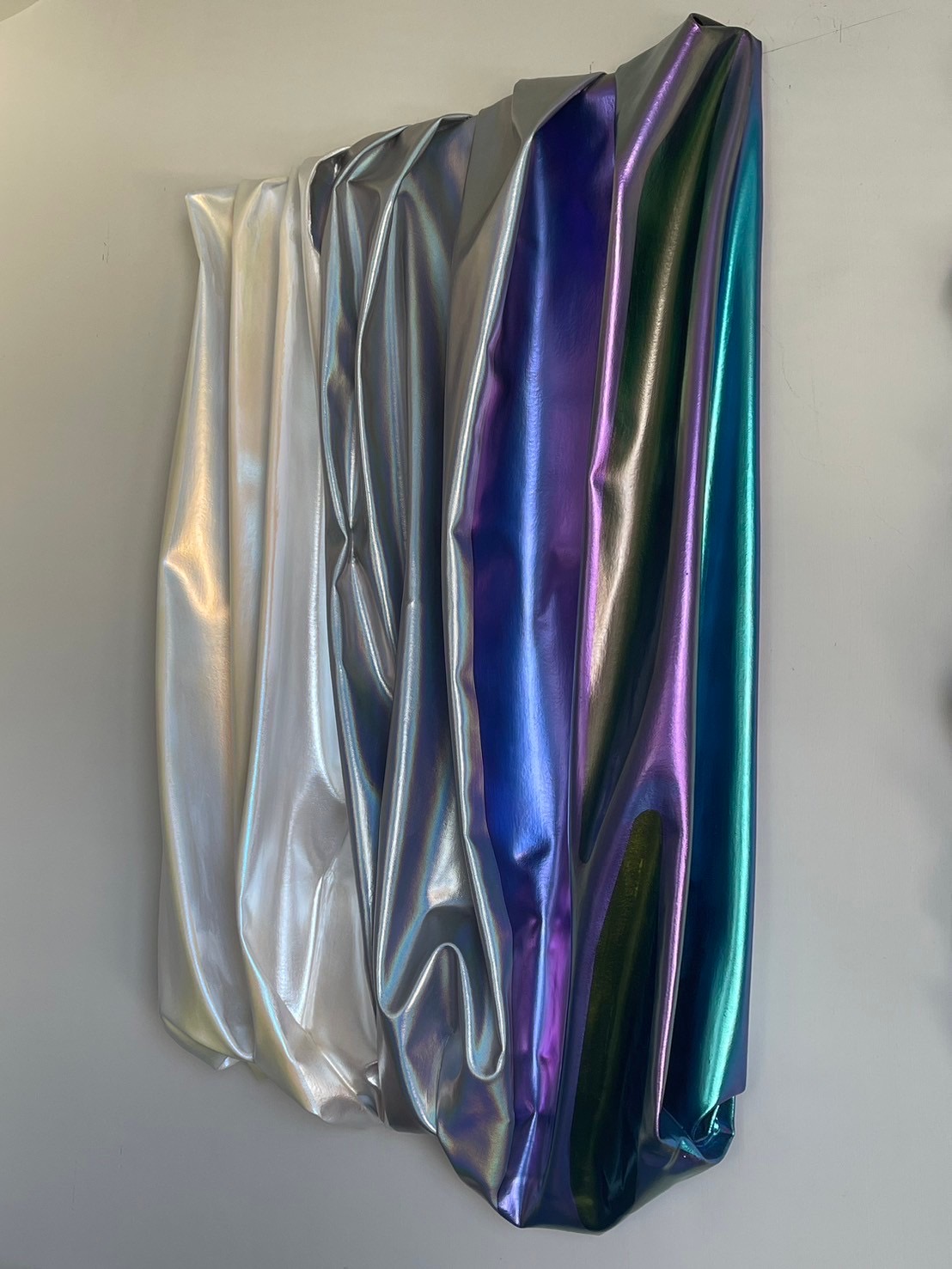
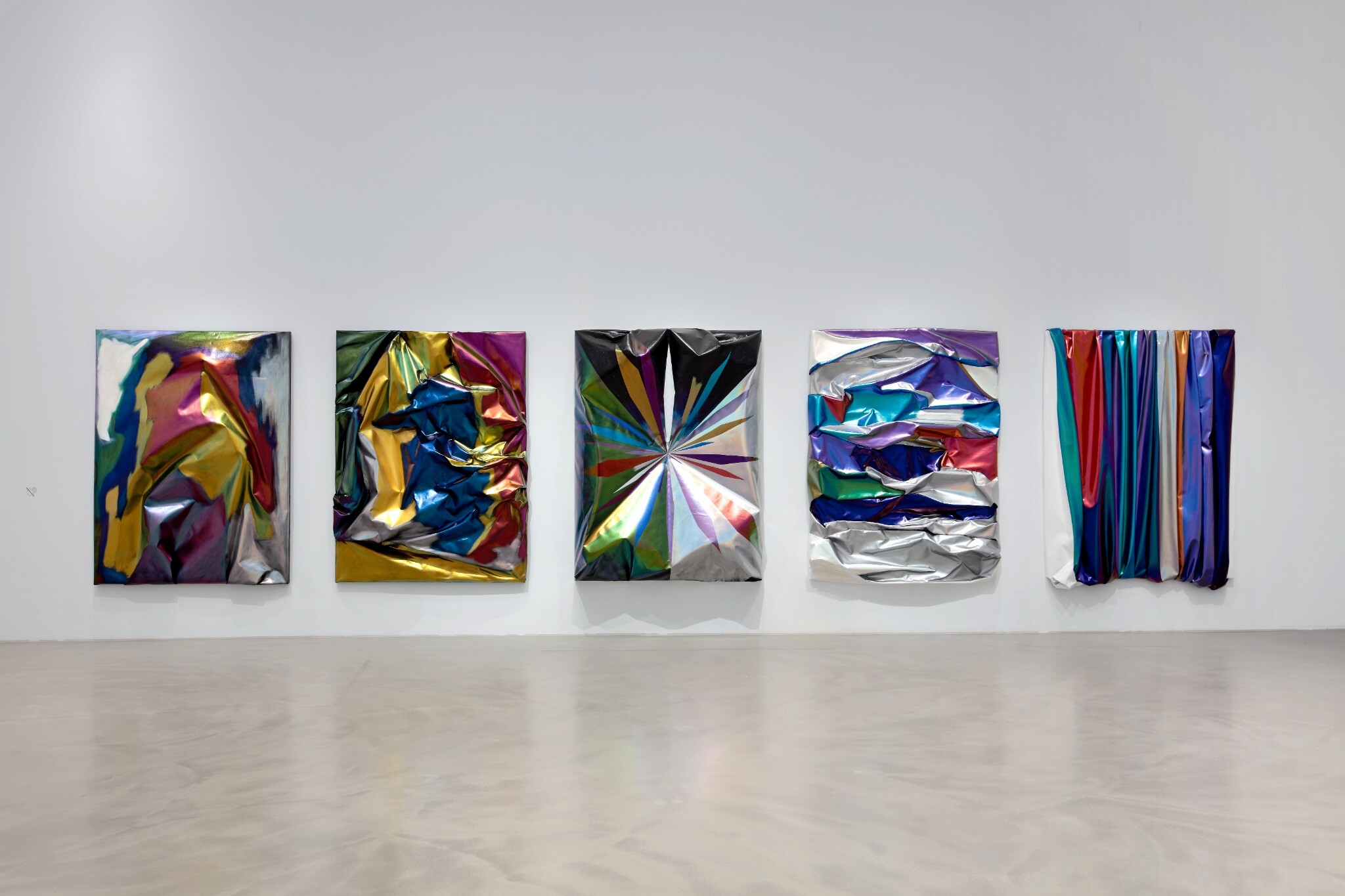
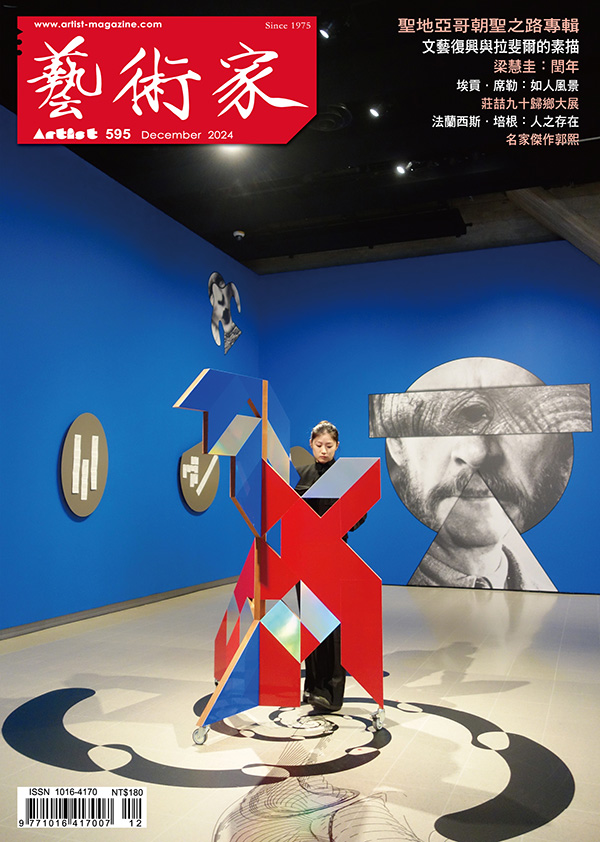
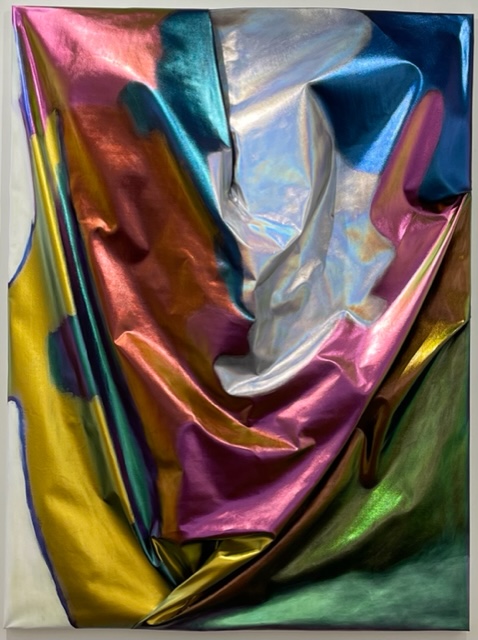
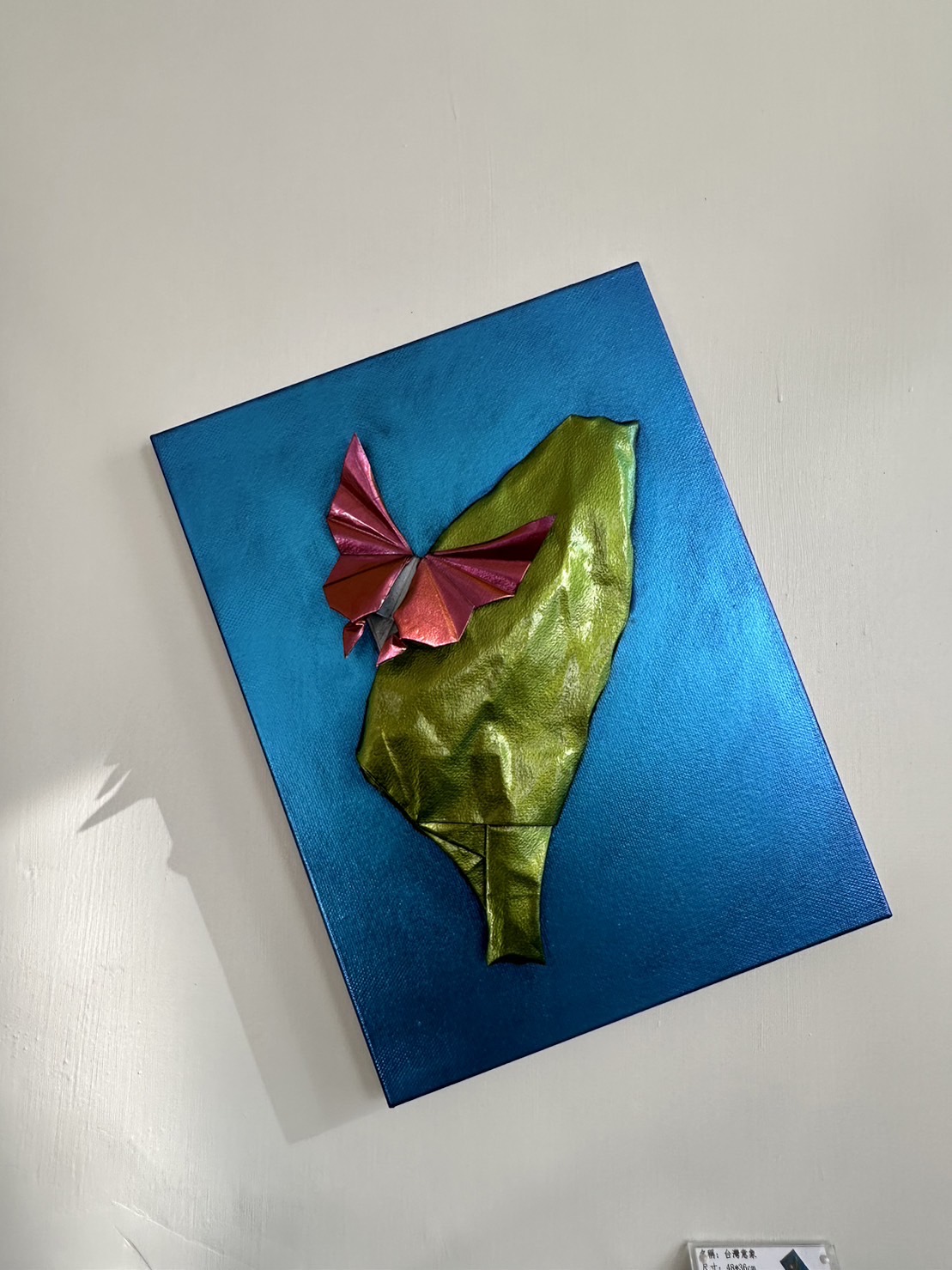
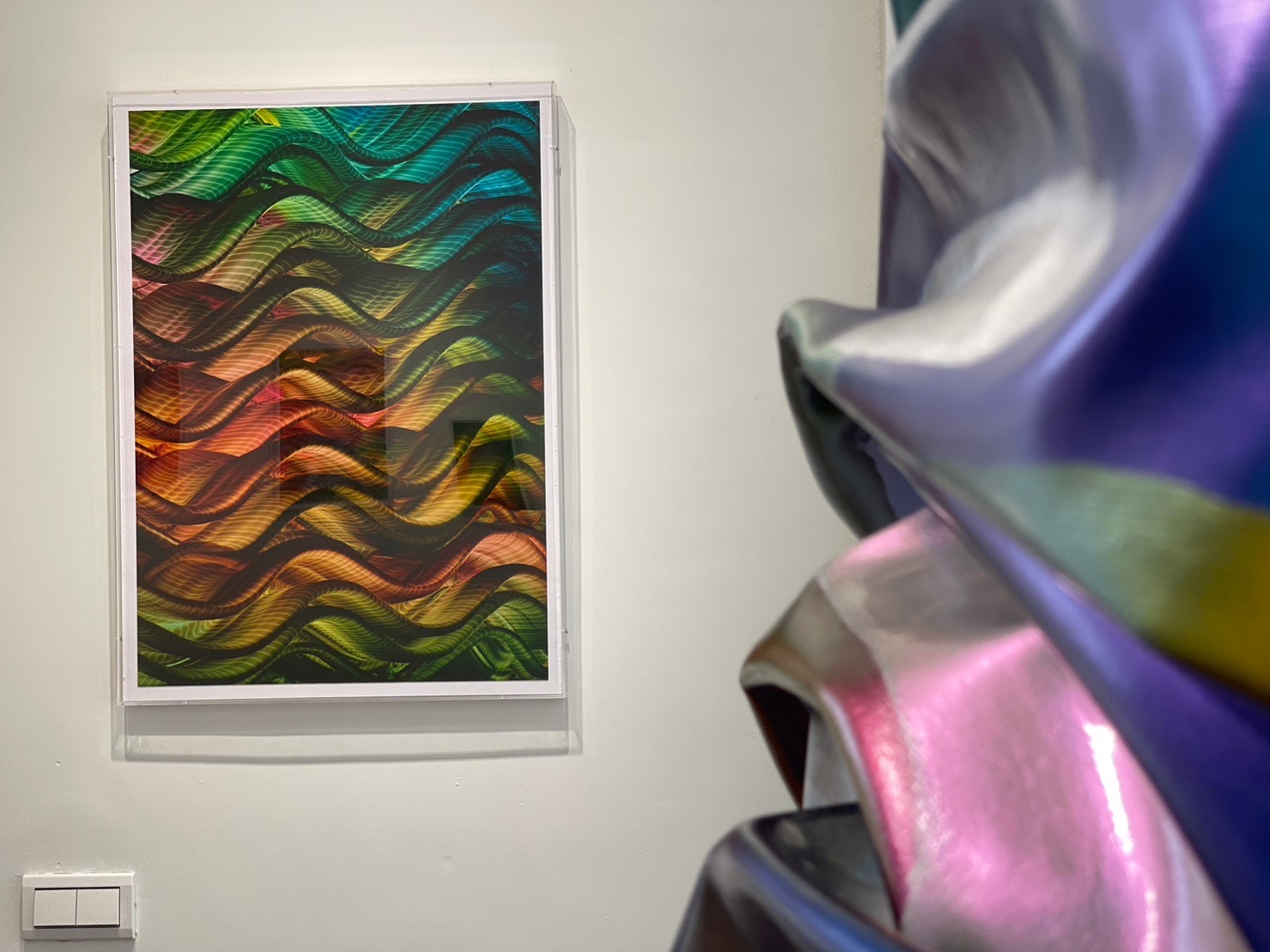
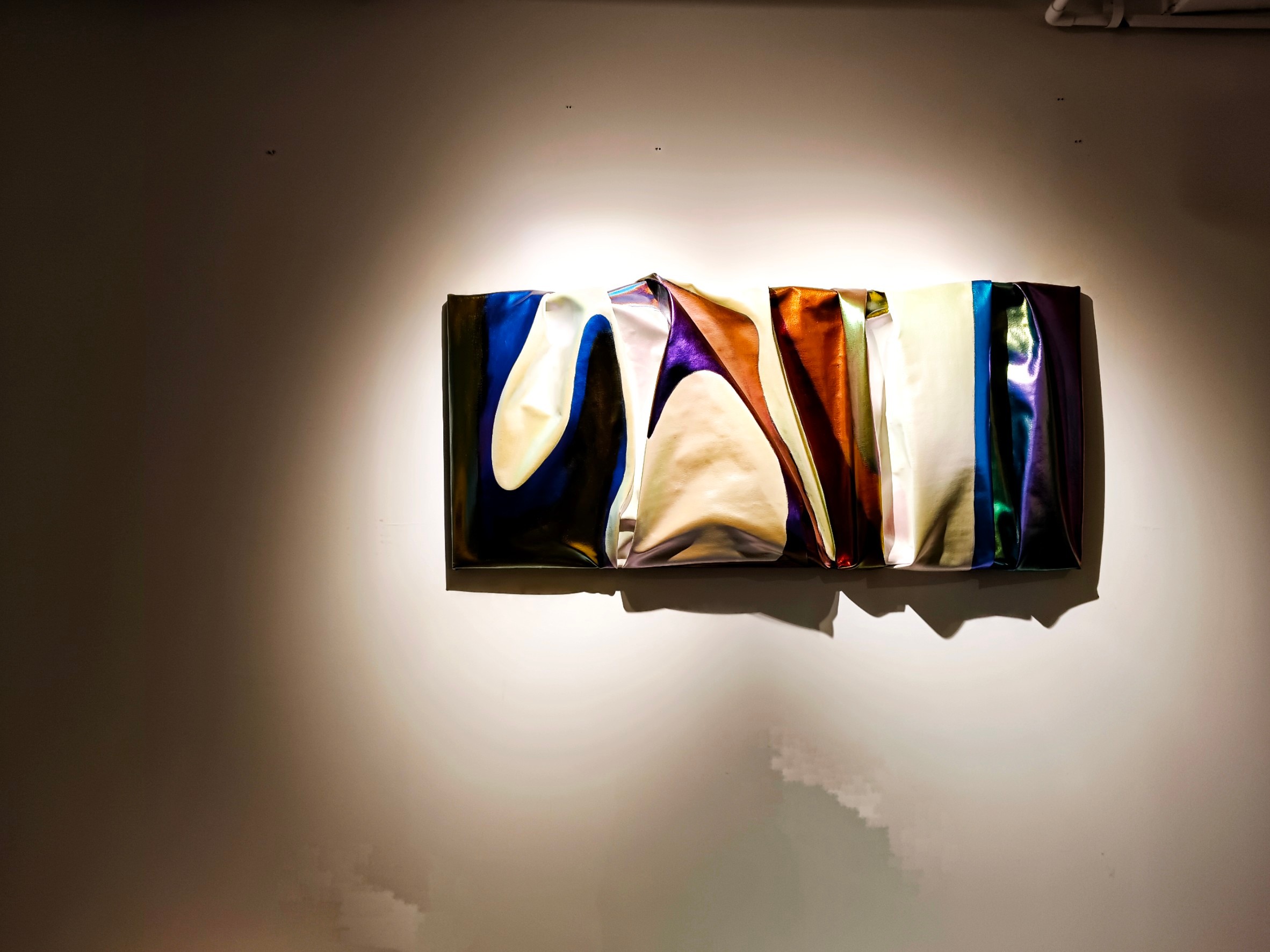
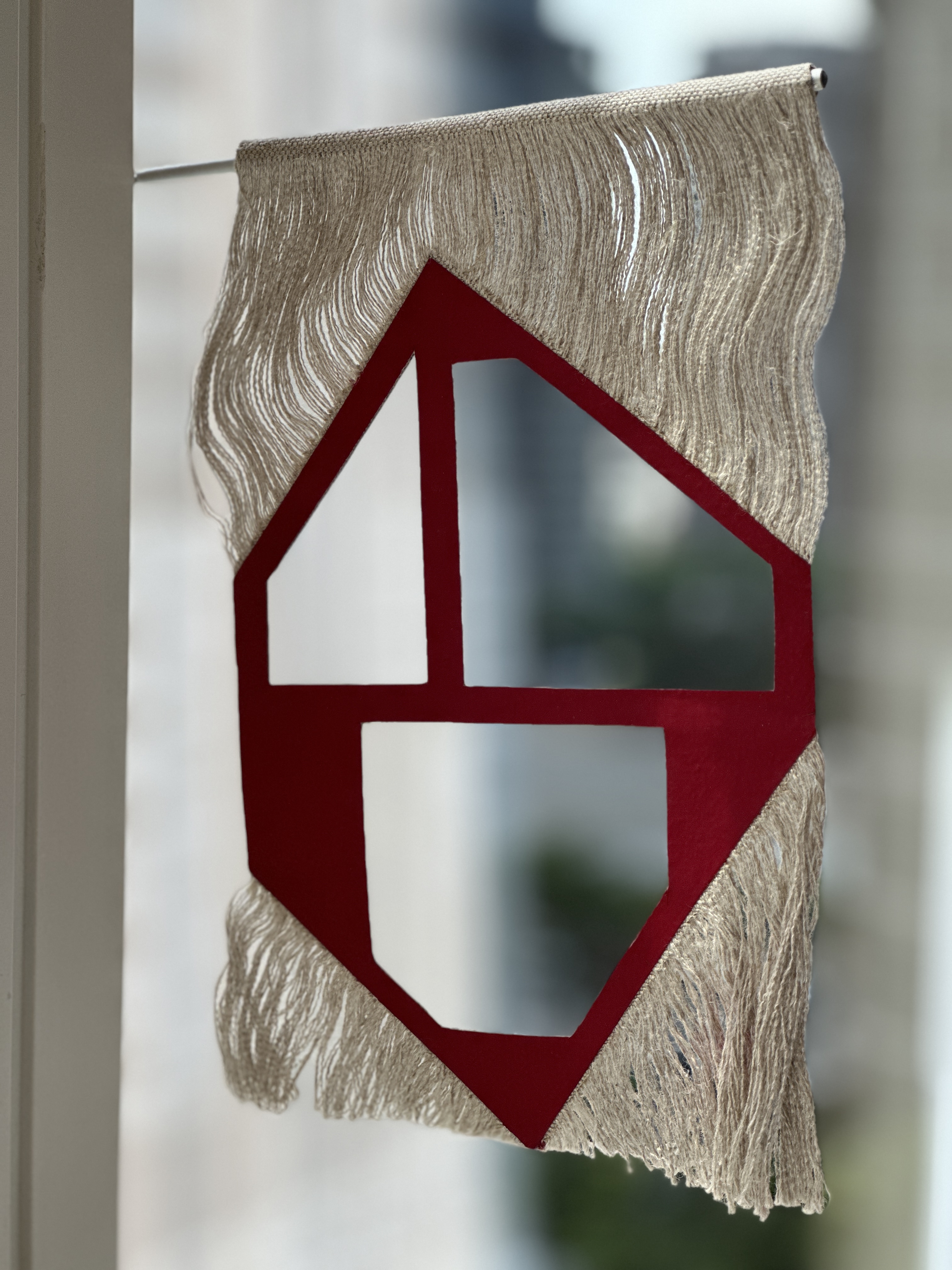
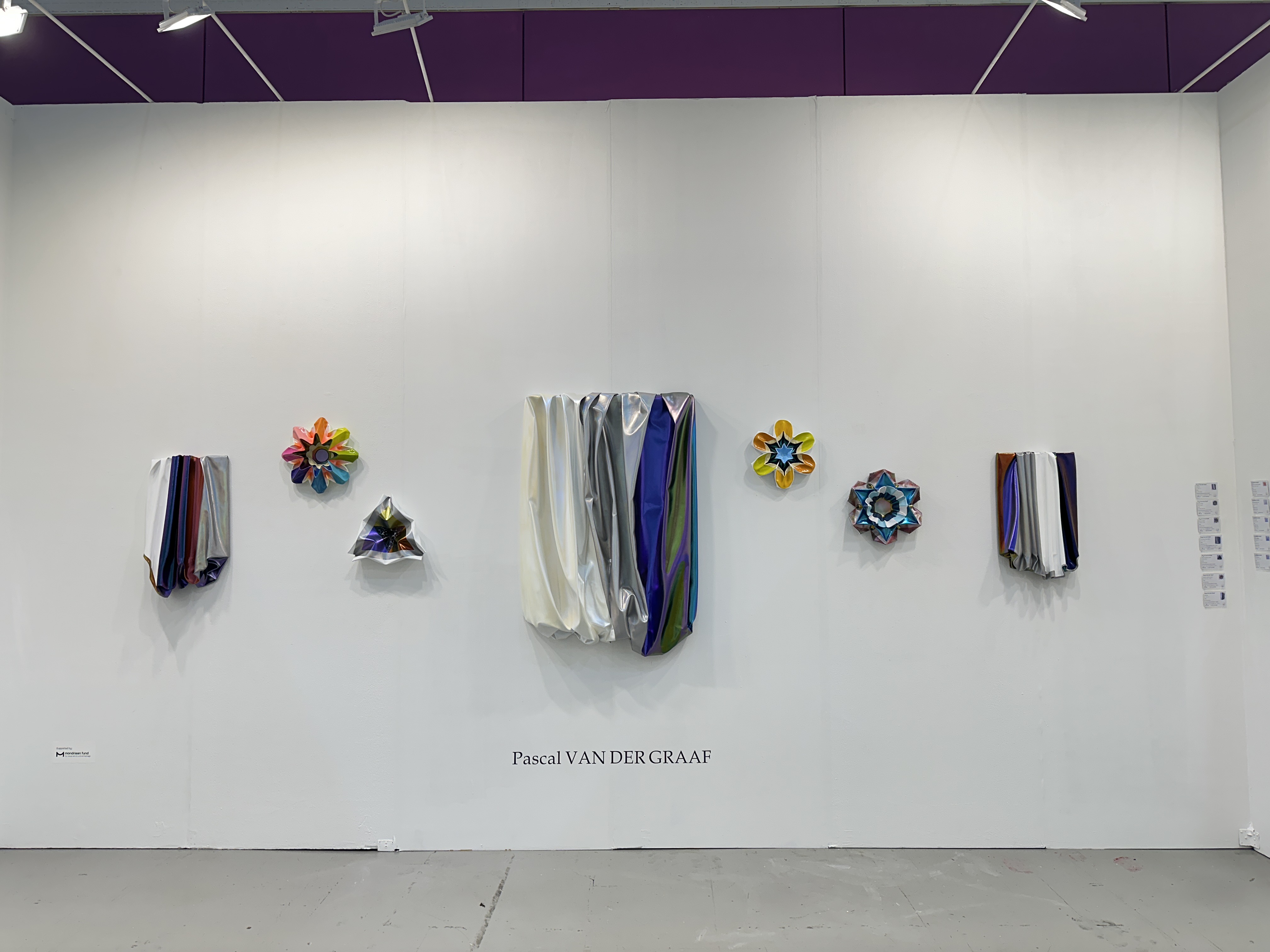
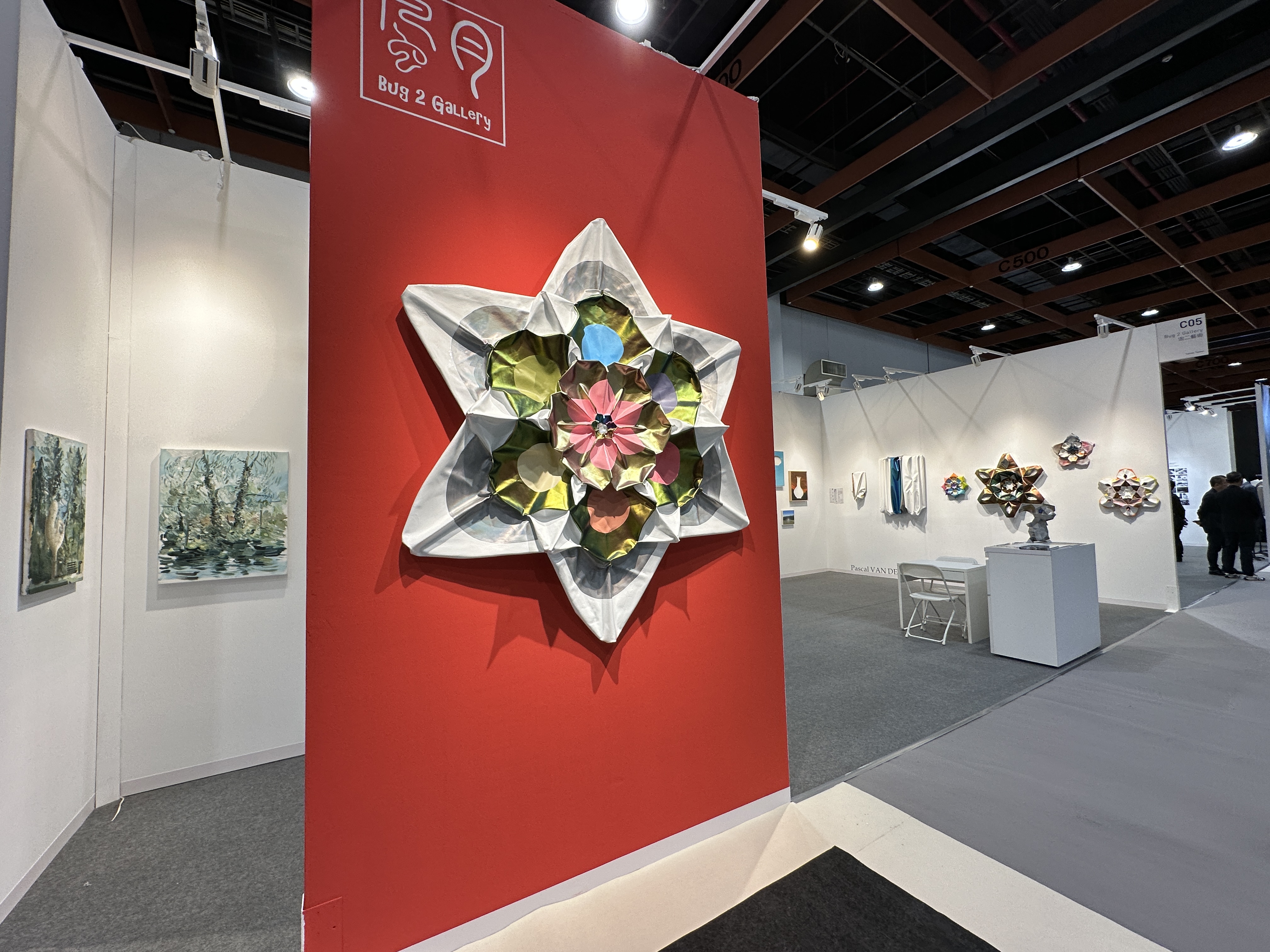
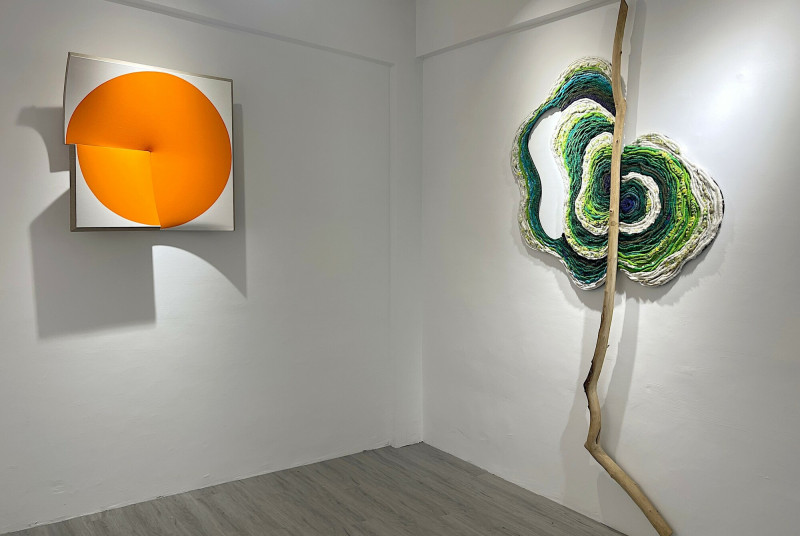
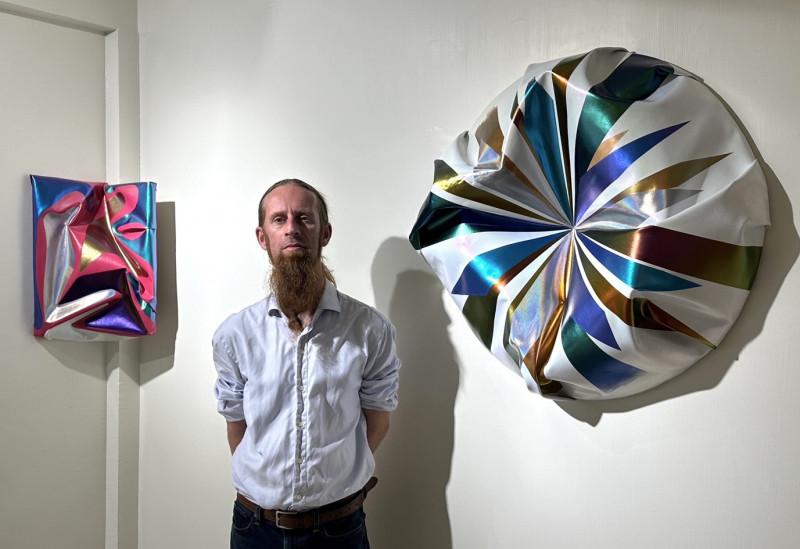
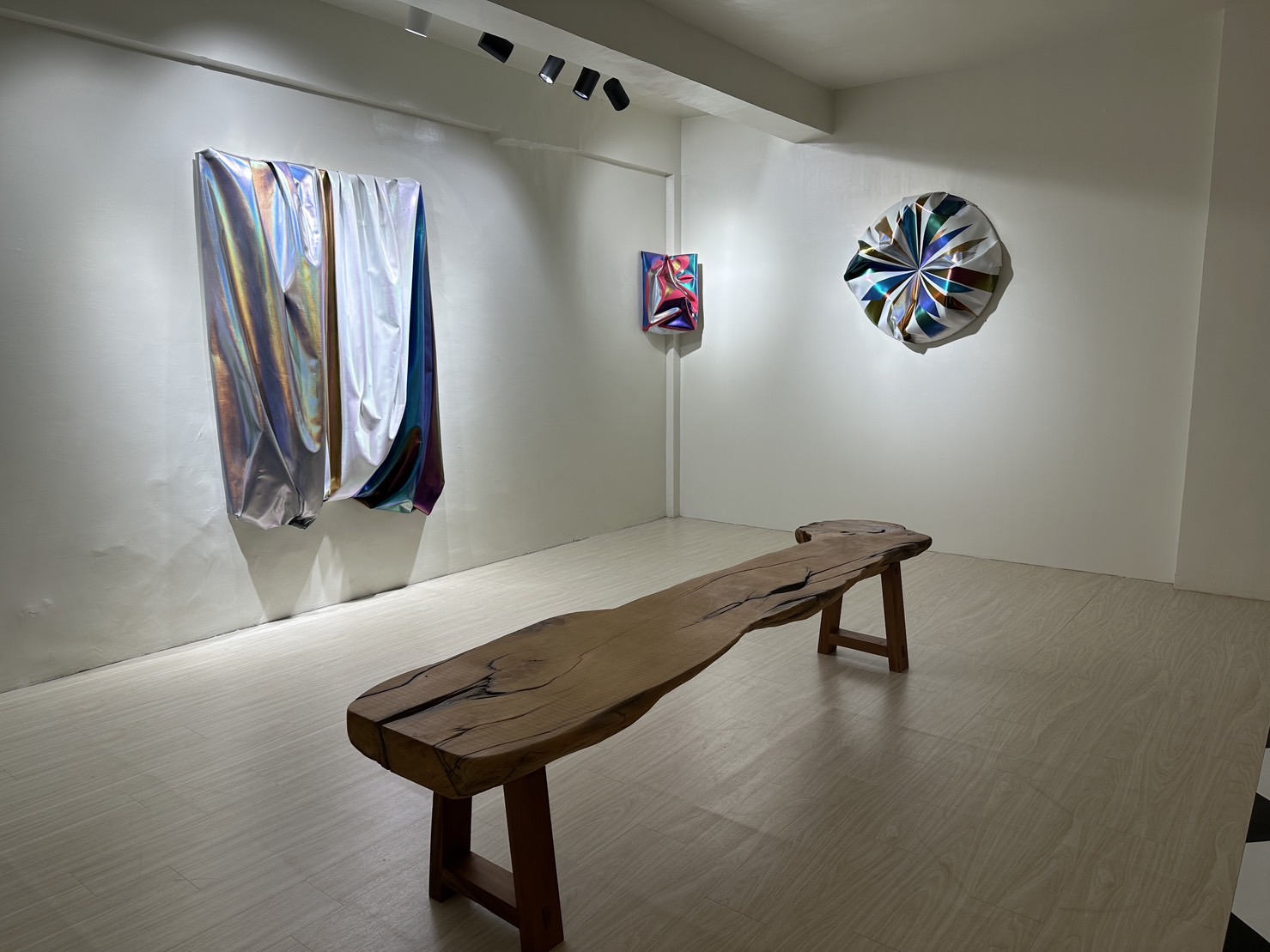
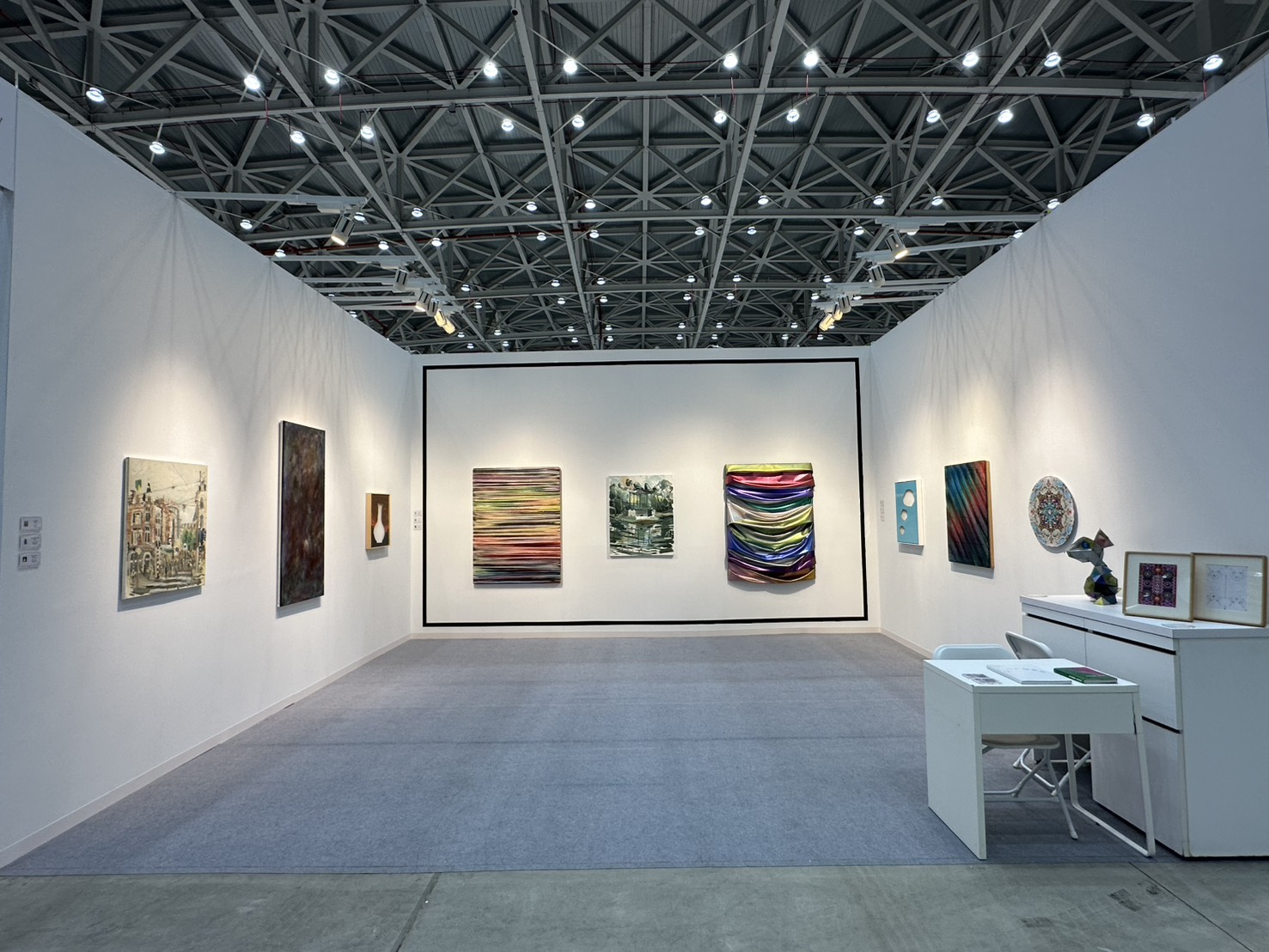
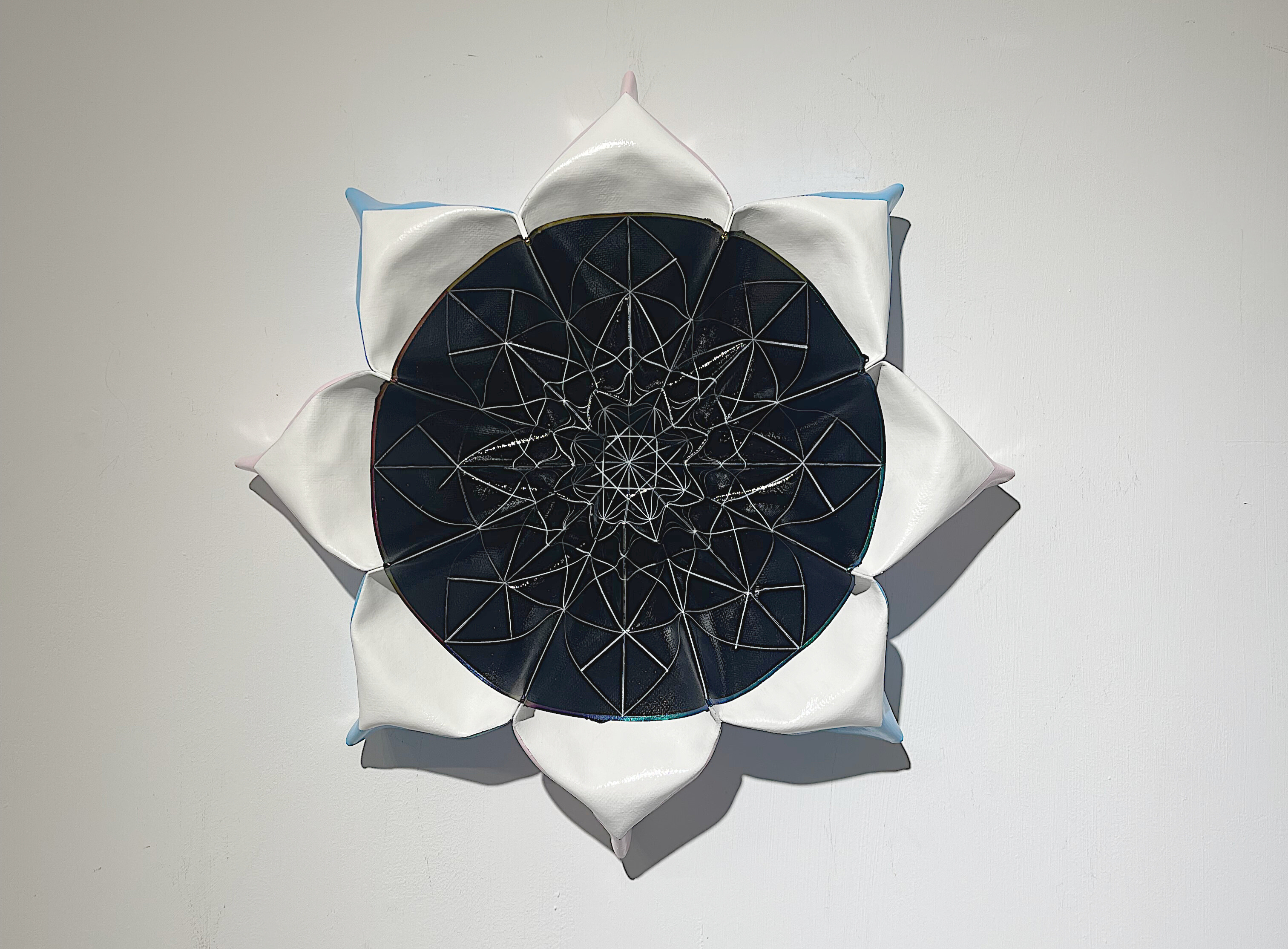
Van der Graaf’s work begins with painting but increasingly moves beyond the flat surface. Since 2022, he has drawn on the structural logic of origami to fold and shape the canvas itself, allowing the support to become an active part of the work. Planes tilt, edges project from the wall, and geometric forms shift between image and object. Rather than treating the canvas as a neutral surface on which a painting is made, he approaches it as a material that can be transformed.
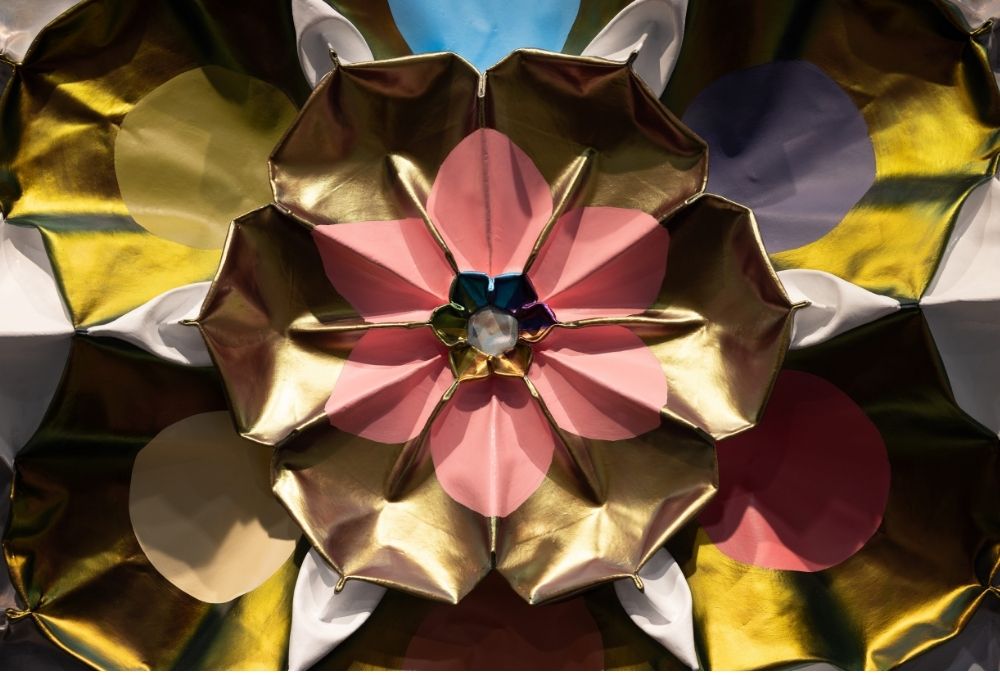
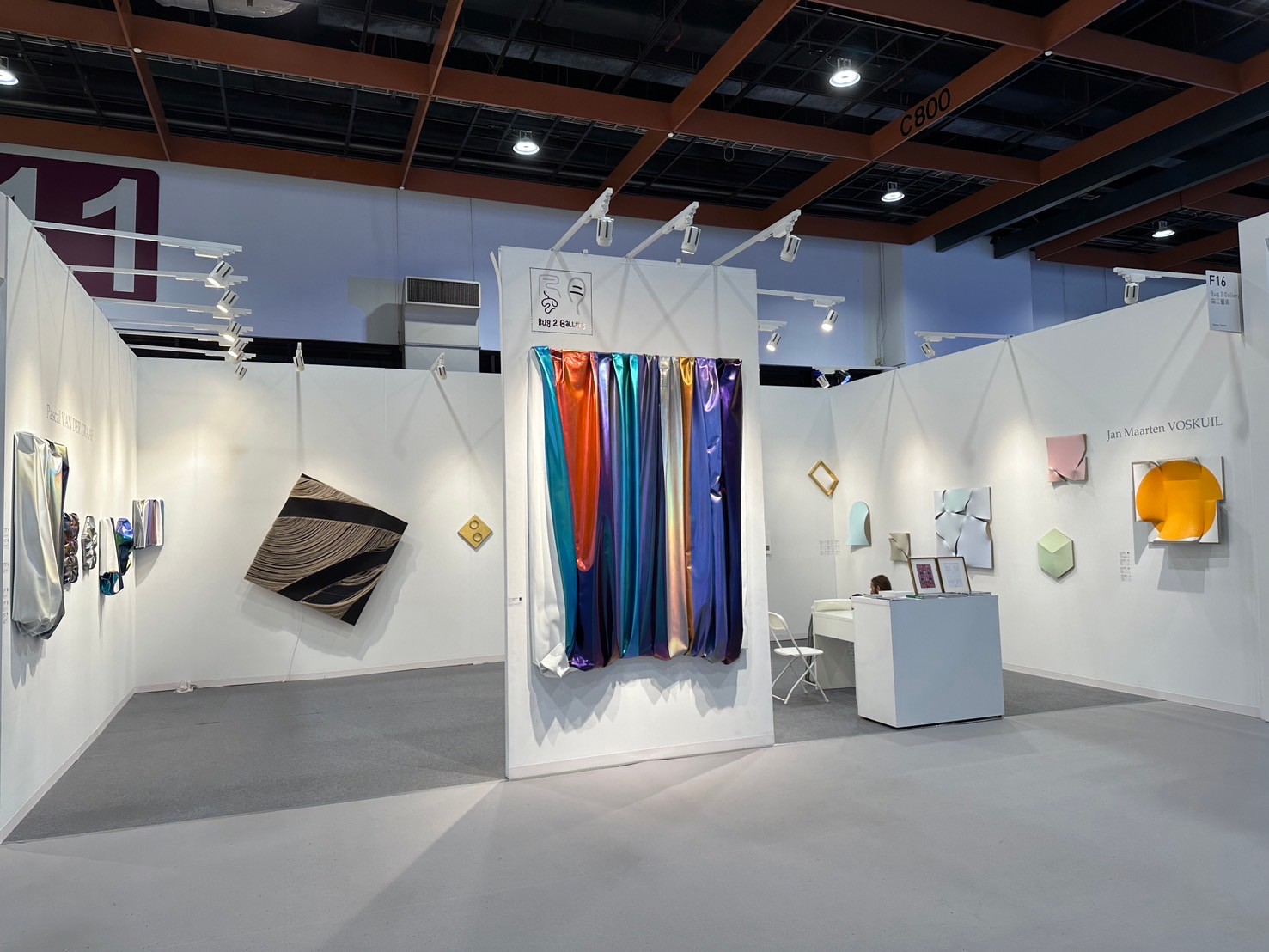
Colour plays an equally important role. Using pigments that respond to changing light and viewing angles, Van der Graaf creates surfaces that never appear entirely fixed. A work may seem restrained from one position and unexpectedly vivid from another; colours emerge, disappear, and change as the viewer moves through the space. Structure determines the conditions of the painting, while perception continually alters what is seen.
This interplay between control and change lies at the centre of Van der Graaf’s practice. Precise geometric constructions provide a framework, but the final experience remains dependent on light, movement, and the position of the viewer. His works occupy an unsettled territory between painting and sculpture—objects that do not simply present an image, but unfold through the act of looking.









.jpg)

.jpg)
%20(1).jpg)